
Sea
-
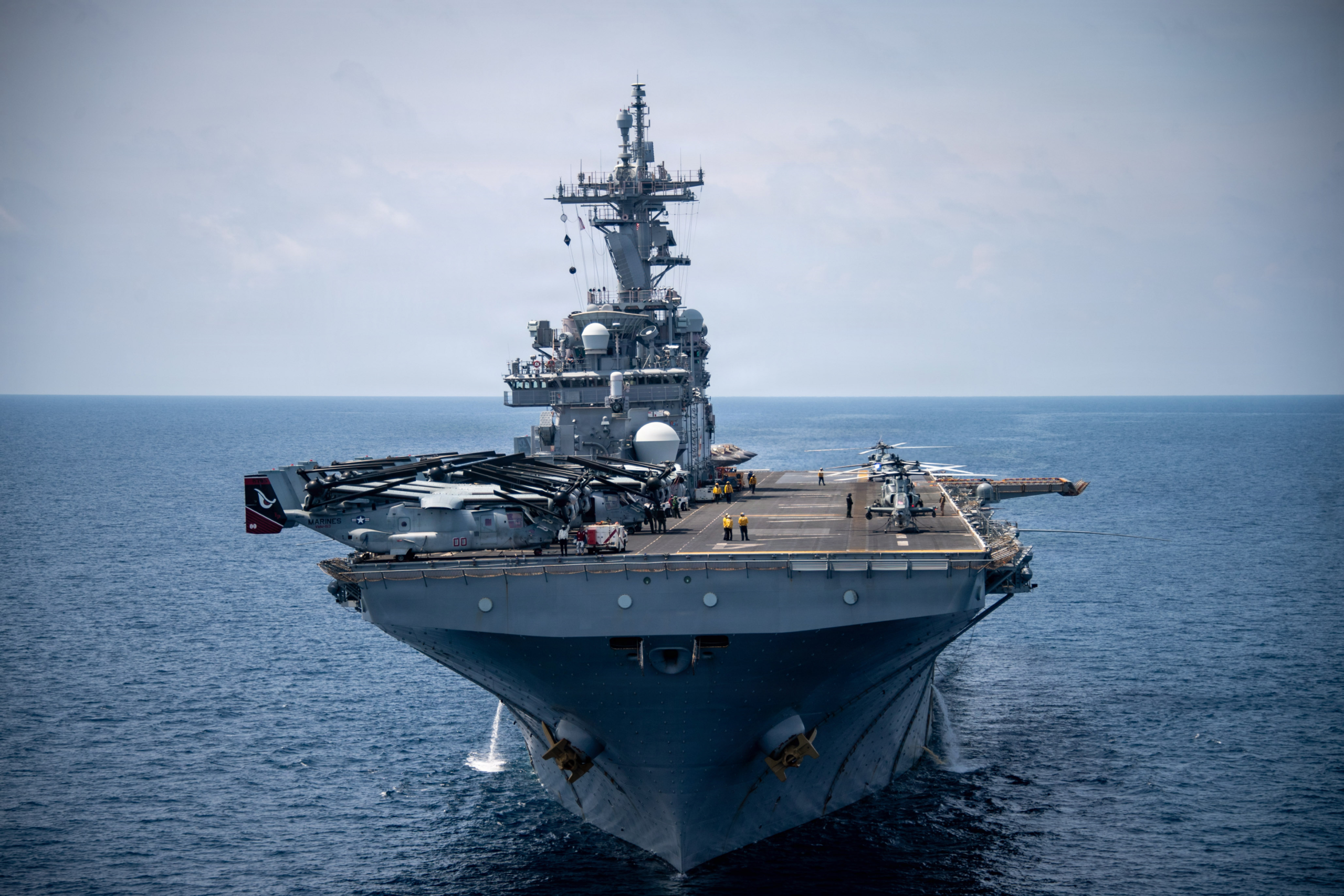
BAE Systems will modernise USS Boxer under a Navy contract. The $149.8 million availability covers maintenance, repair, and upgrades at Naval Base San Diego, with options potentially raising the value to $180 million.
-
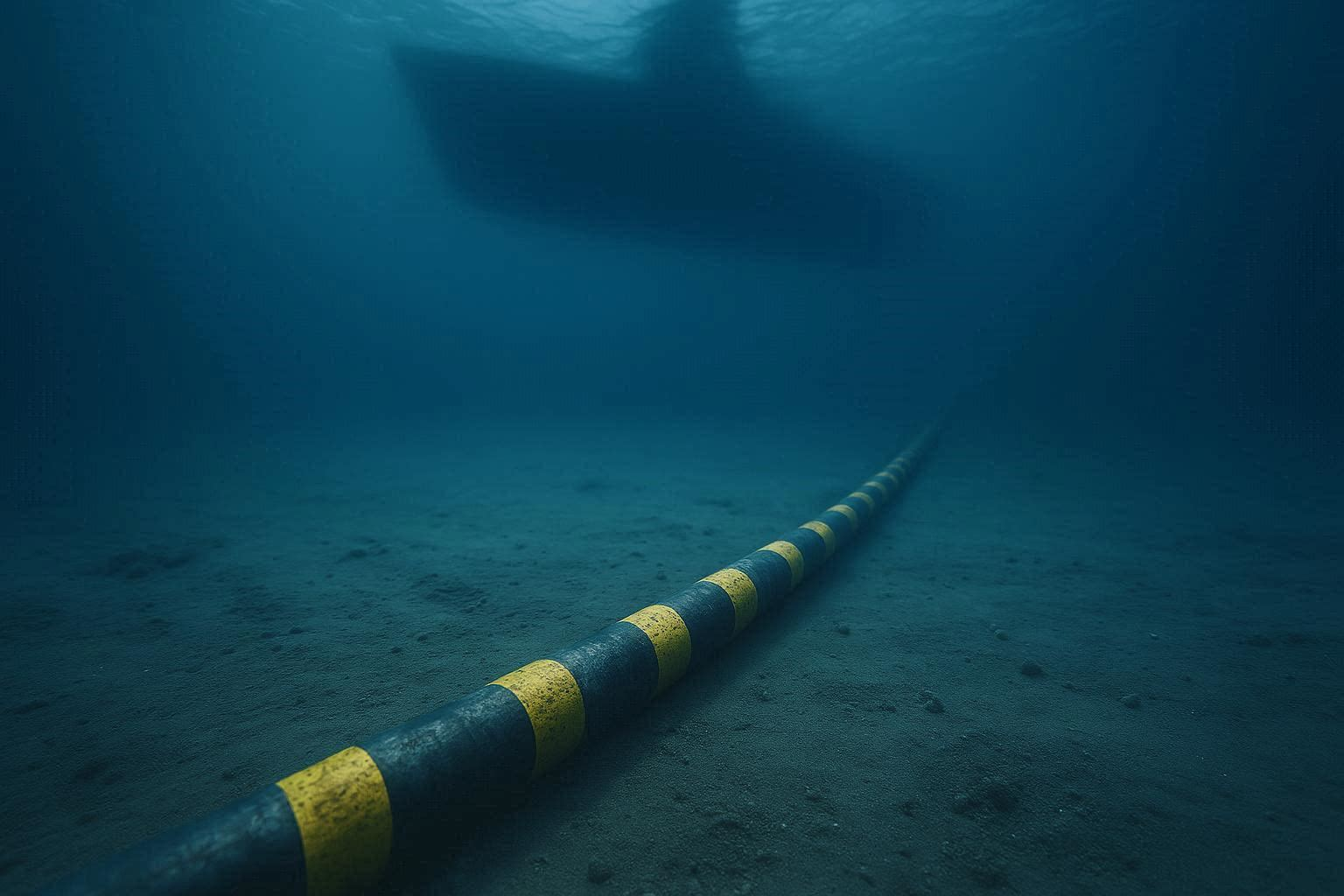
Subsea cable vulnerabilities are intensifying pressure for resilient connectivity infrastructure. Tudor Williams, CTO at Filtronic, argues that satellite networks and advanced RF technology can provide a critical second layer for UK communications.
-
Dstl has detailed analysis supporting the Royal Navy’s Hybrid Navy. The work examines how crewed and uncrewed systems, digital networks, sensing, communications, and decision-making can operate as an integrated force.
-
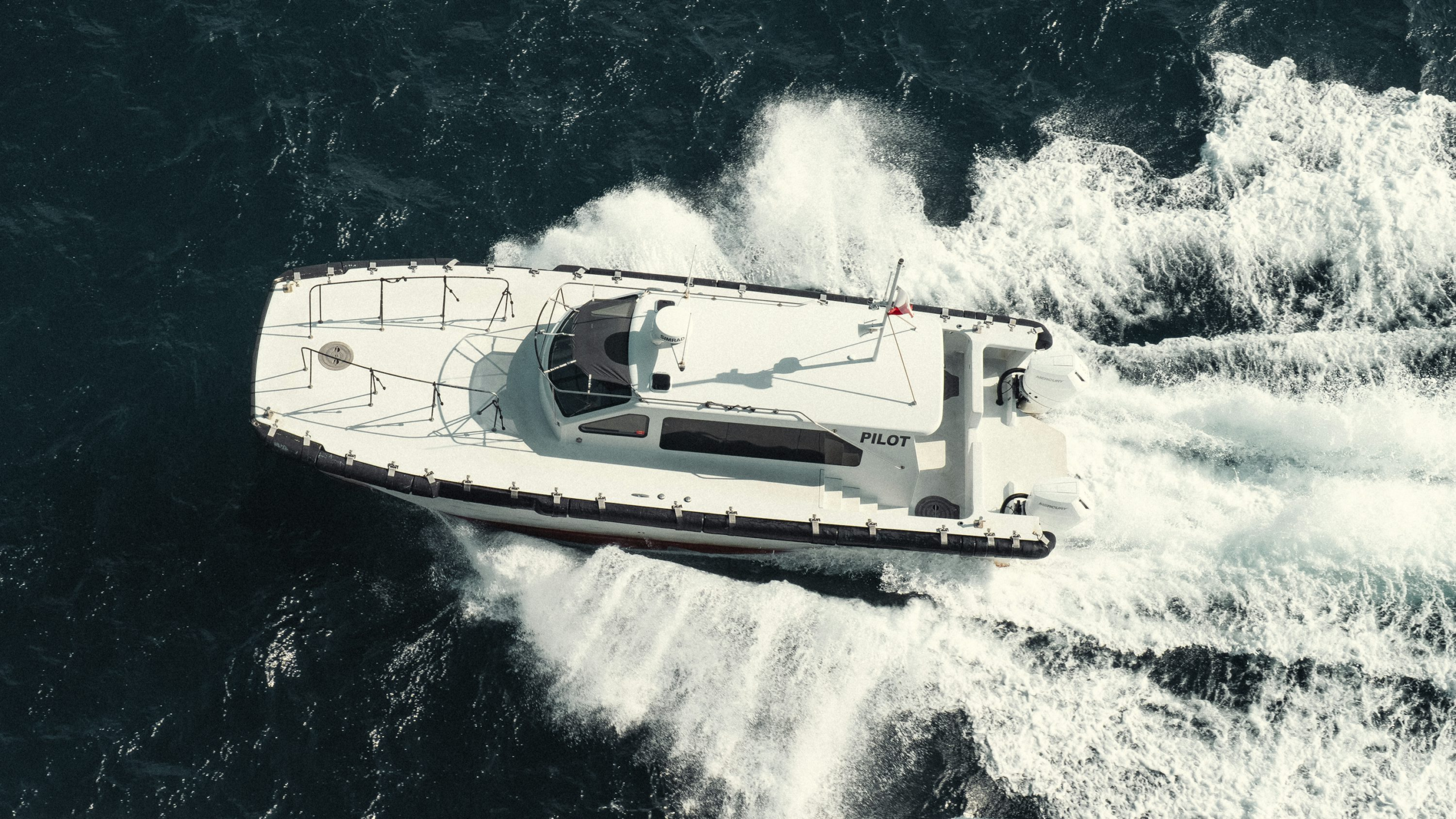
Ocius will integrate new sonar arrays across its Bluebottle fleet. The agreements add ThayerMahan and Thales Australia acoustic systems to persistent maritime surveillance operations.
-
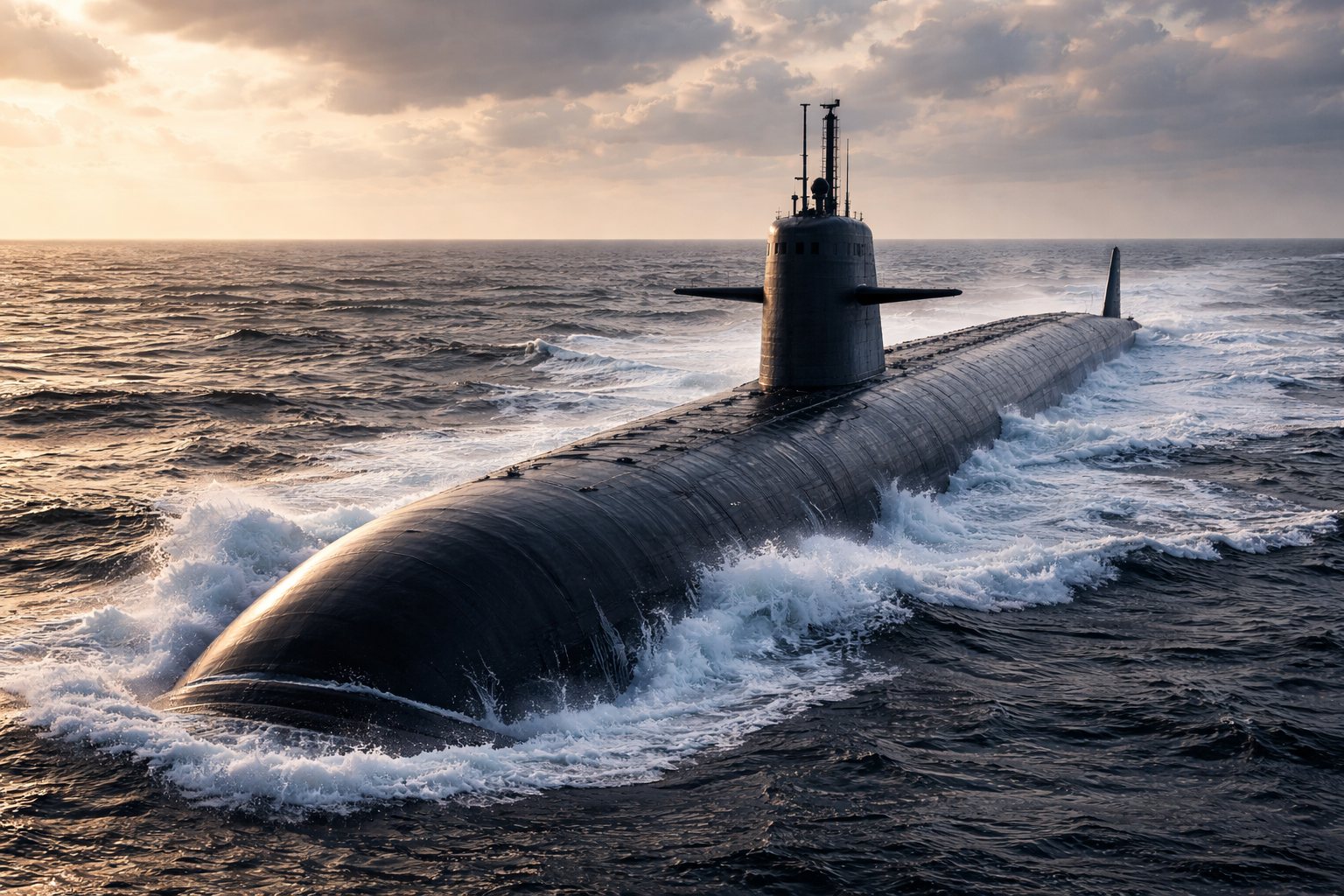
Devonport is set for £7.1 billion of naval infrastructure upgrades. The programme will support submarine maintenance, future Type 26 operations, and a wider shift towards autonomous maritime capability.
-
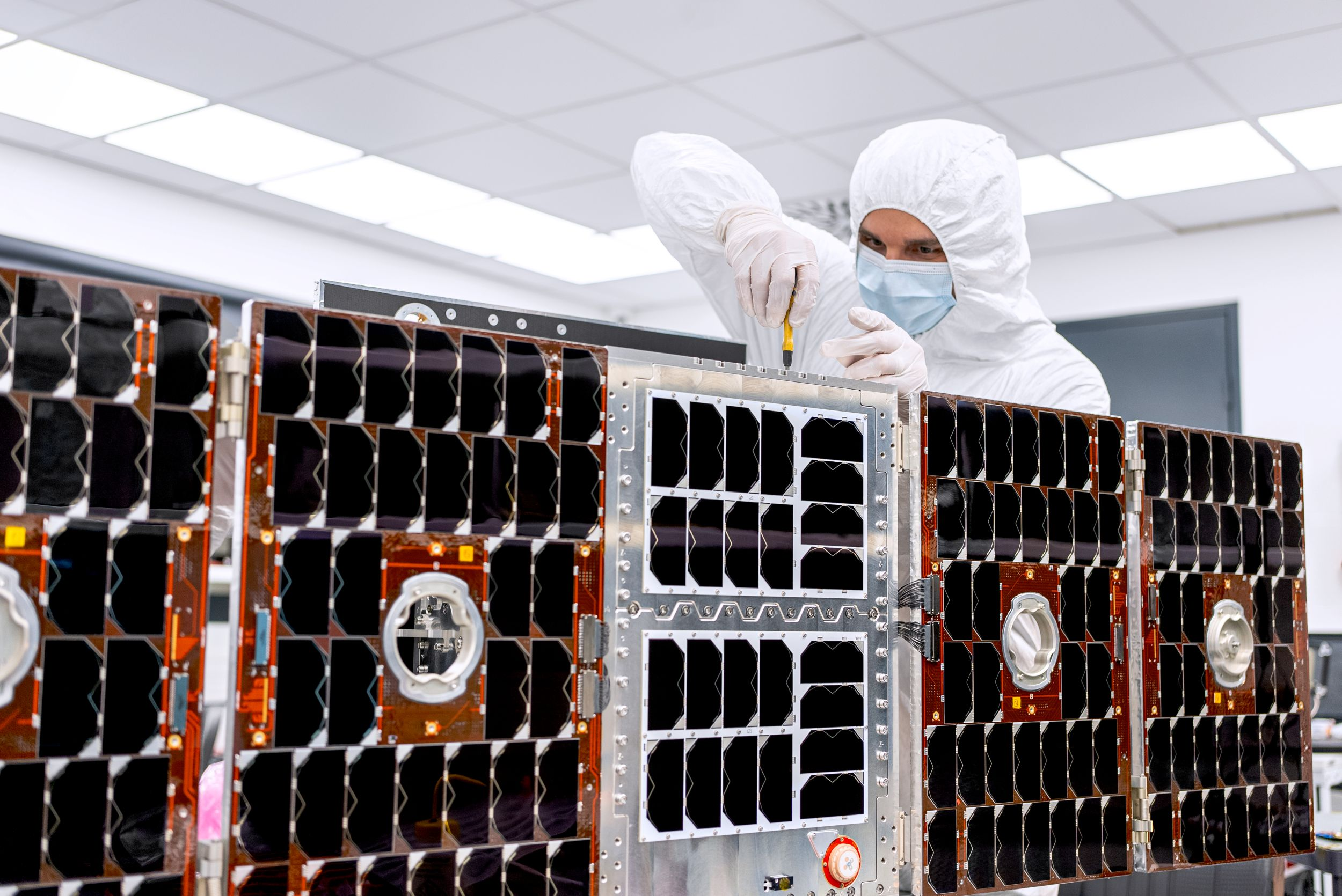
Kongsberg will double Norway’s N3X maritime surveillance satellite constellation capacity. Three additional spacecraft are planned for early 2027, improving revisit rates for defence and government users.
-
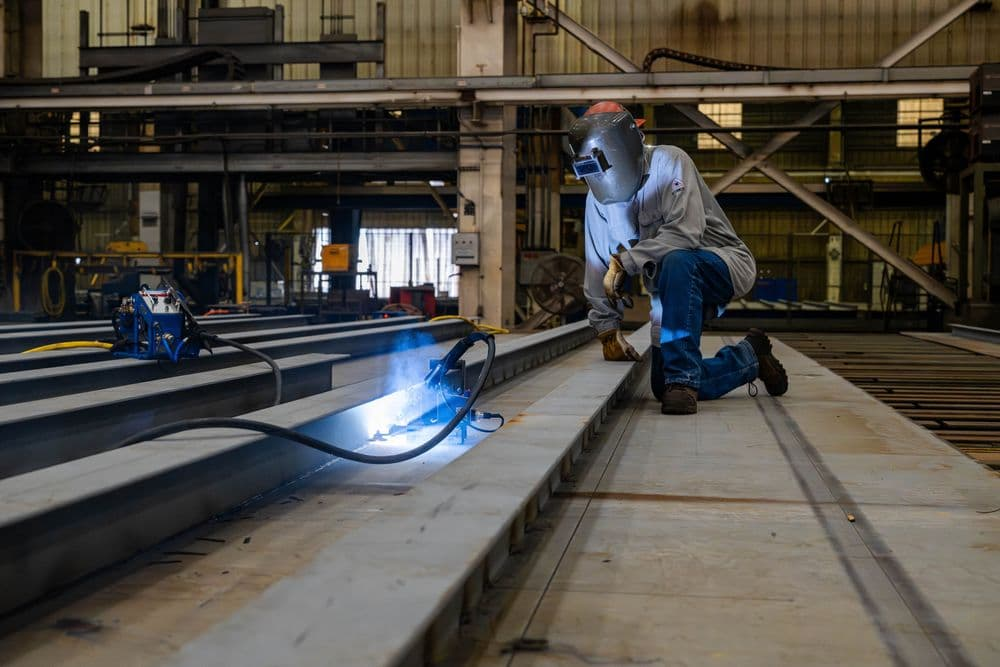
The Dutch Navy is adding interceptor drones to ship defences. The land-derived kinetic C-UAS system will be adapted through testing for operational maritime deployment alongside existing weapons.
-
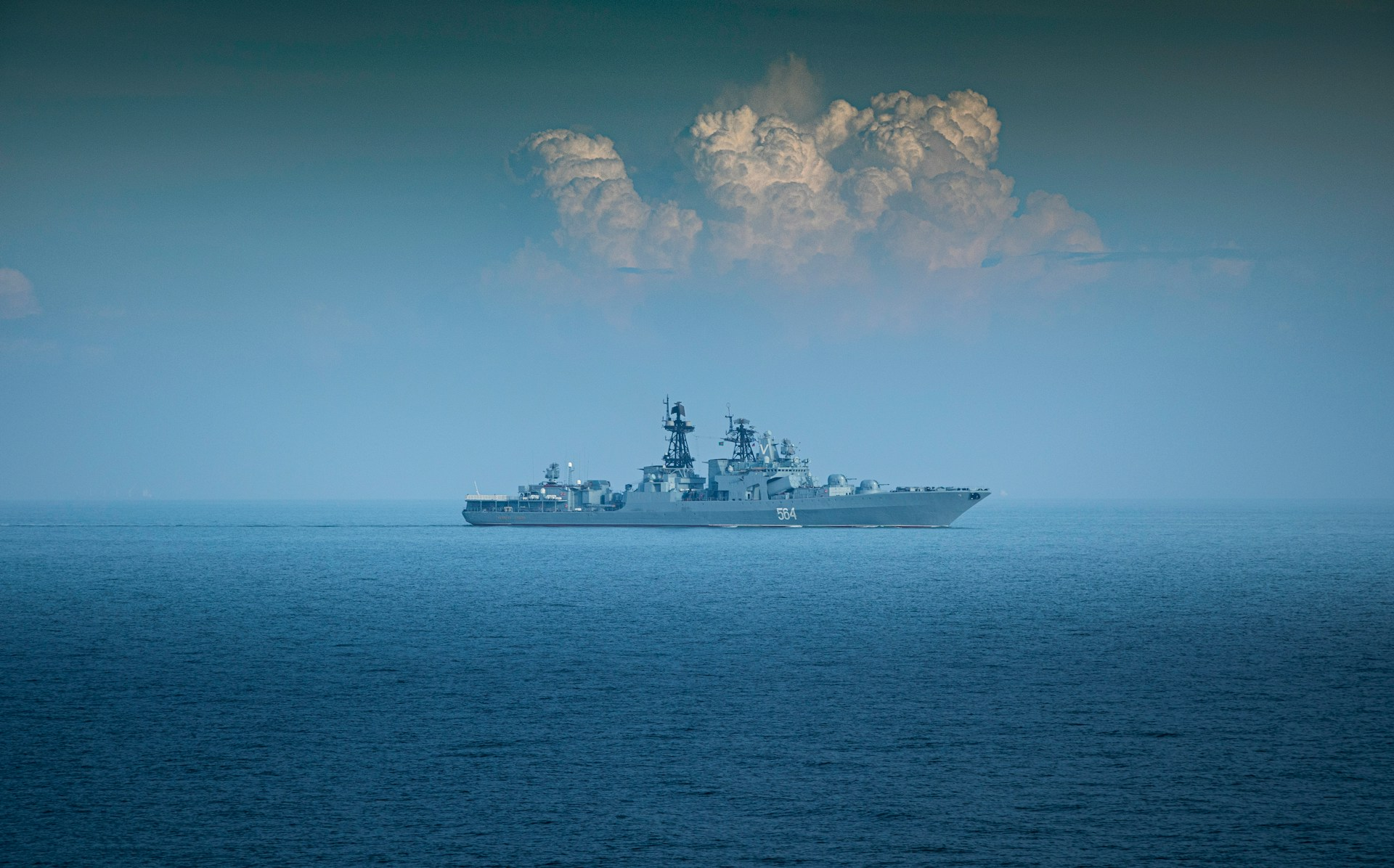
MSI Defence Systems has secured a NATO naval counter-UAS contract. Worth €19.4 million, the three-system package combines 30mm guns, radar, optical detection, and MSI fire control.
-
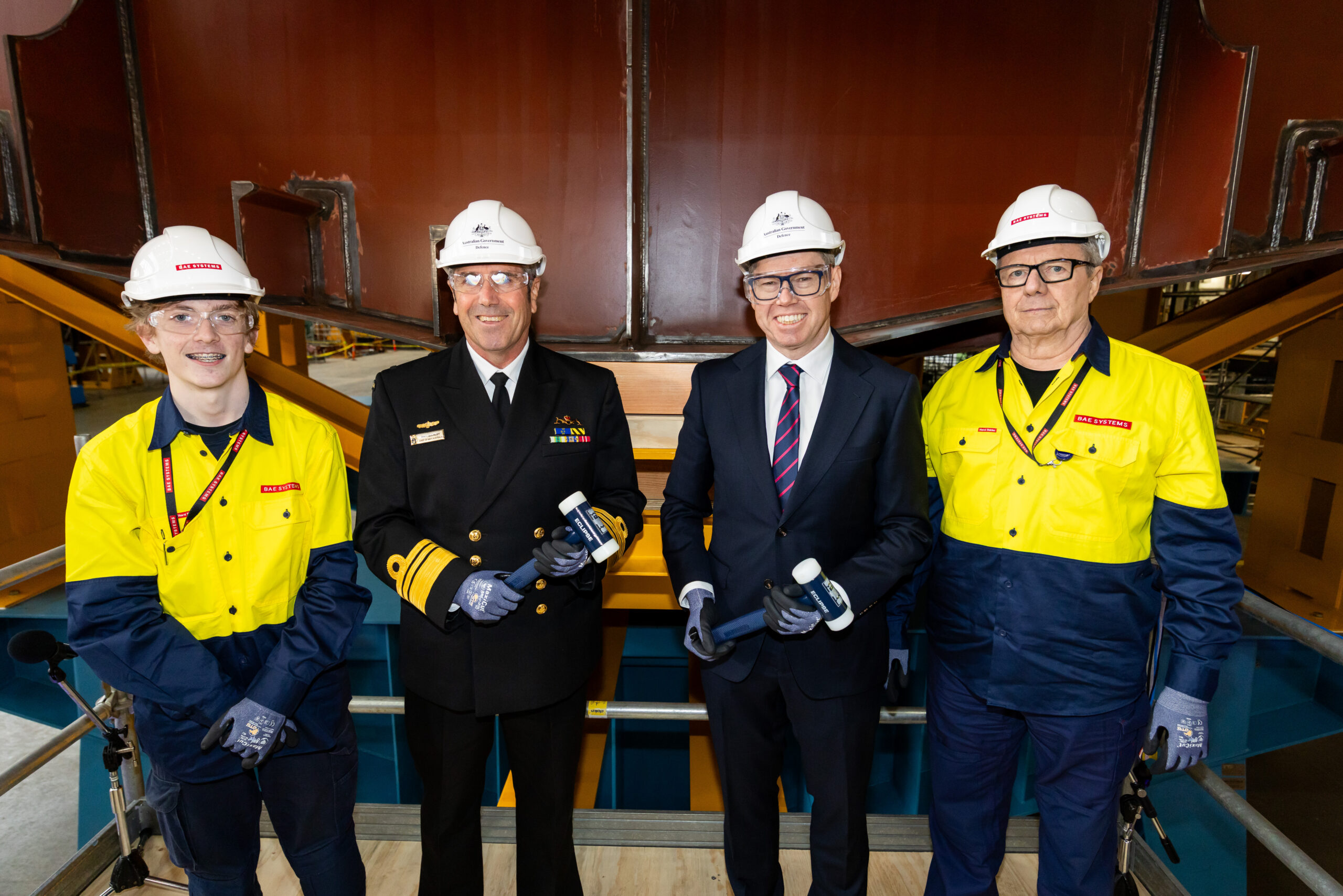
Australia has laid the keel of its first Hunter frigate. The Osborne milestone moves the six-ship anti-submarine warfare programme deeper into serial construction and its domestic industrial build-up.
-

USTRANSCOM has awarded seven companies a new strategic sealift contract. The $1.2 billion programme gives military logisticians faster access to commercial roll-on/roll-off, multipurpose, and vehicle-carrier capacity for worldwide movements.