
Sea
-
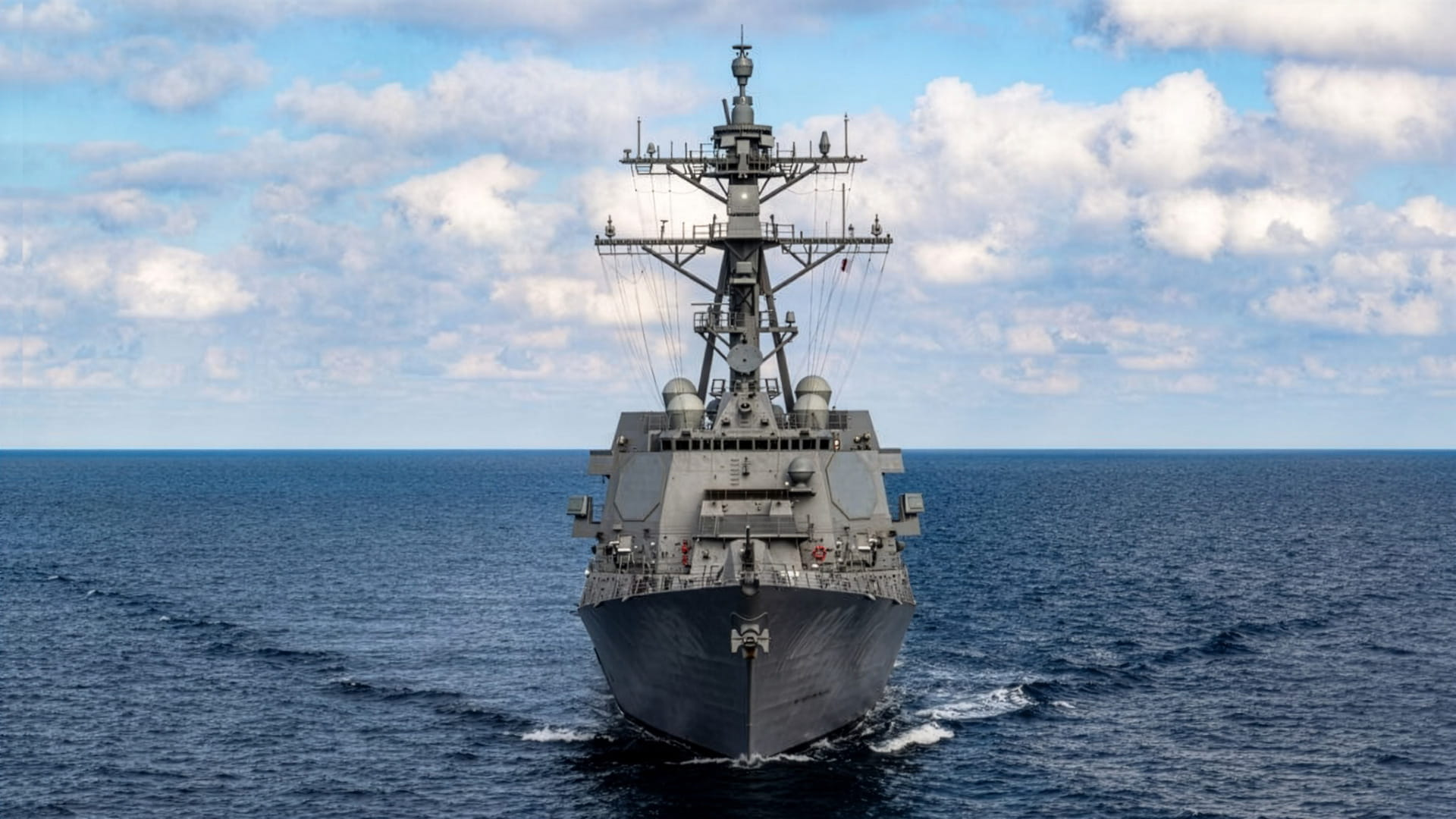
Raytheon is expanding SPY-6 production as international demand starts building. Germany is preparing the radar for its F127 frigates, while Japan and Denmark represent further potential customers for the modular naval sensor family.
-
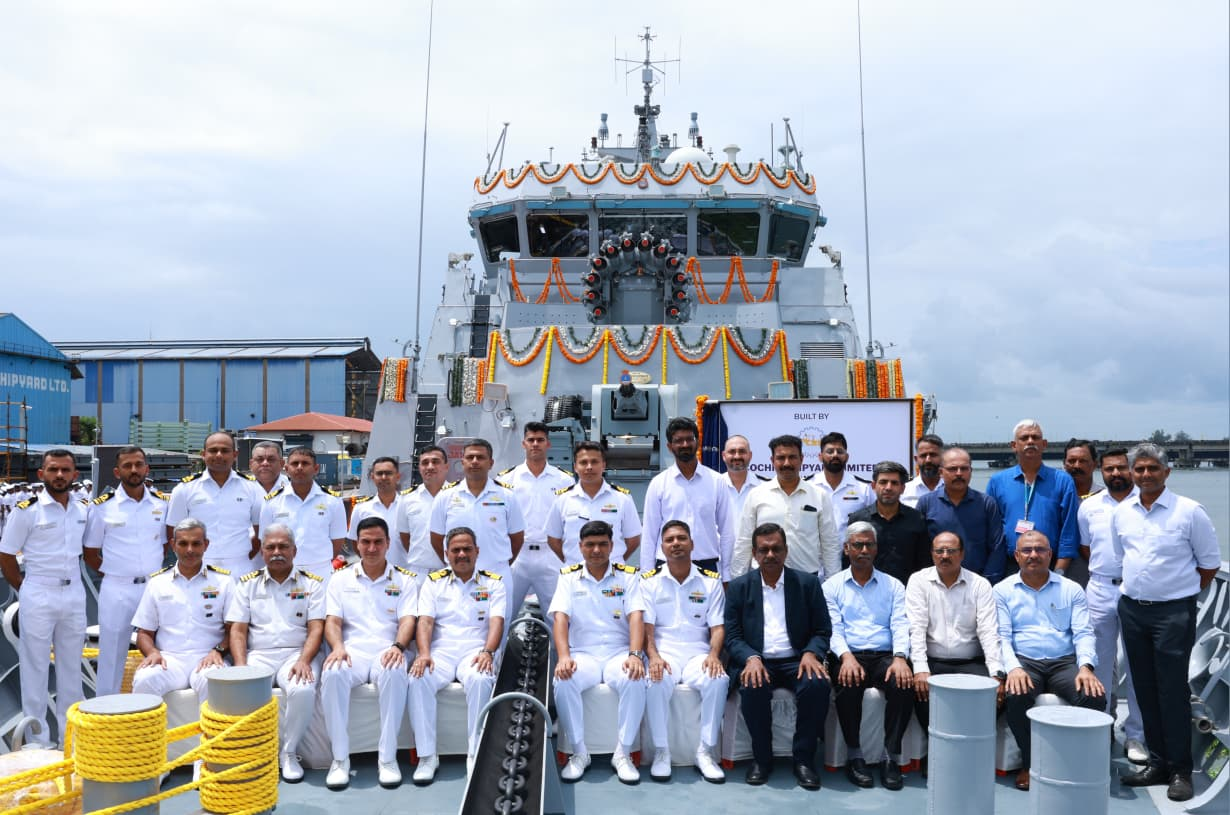
Cochin Shipyard has delivered Mangrol, its third coastal anti-submarine vessel. The Mahe-class ship combines more than 80% indigenous content with waterjet propulsion, torpedoes, anti-submarine rockets, radar, and sonar for littoral operations.
-
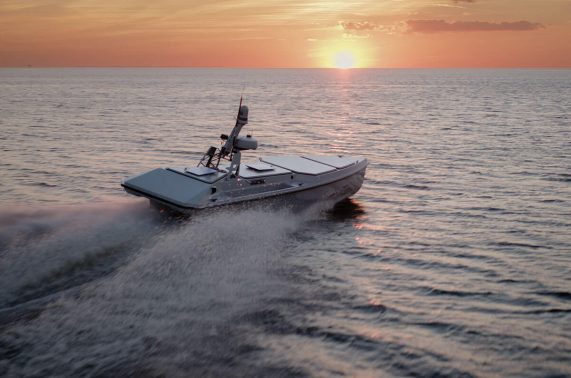
Blue Ops will integrate Havoc autonomy across its maritime USVs. The partnership covers coordinated multi-vessel operations, open-system integration, and joint operational fleets for testing, training, and customer evaluation.
-

Parsons joins a $350 million Navy seabed-to-space ISR contract vehicle. The programme spans development, deployment, sustainment, cybersecurity, autonomous systems, satellites, and tactical communications across multiple domains.
-
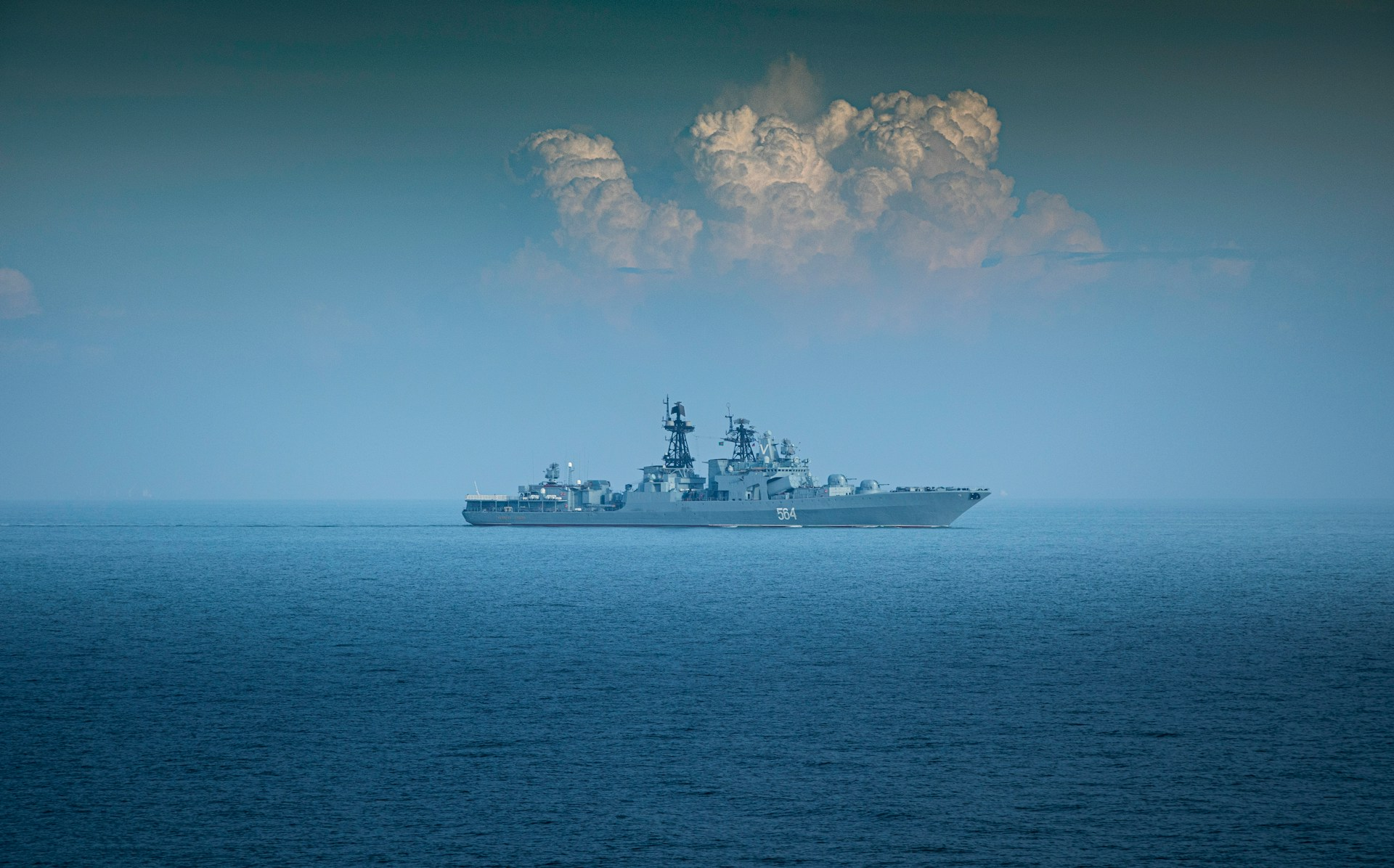
Washington has opened a route to foreign-built lead naval ships. The policy couples initial overseas construction with US yard investment, technology transfer, workforce development, and domestic follow-on production.
-
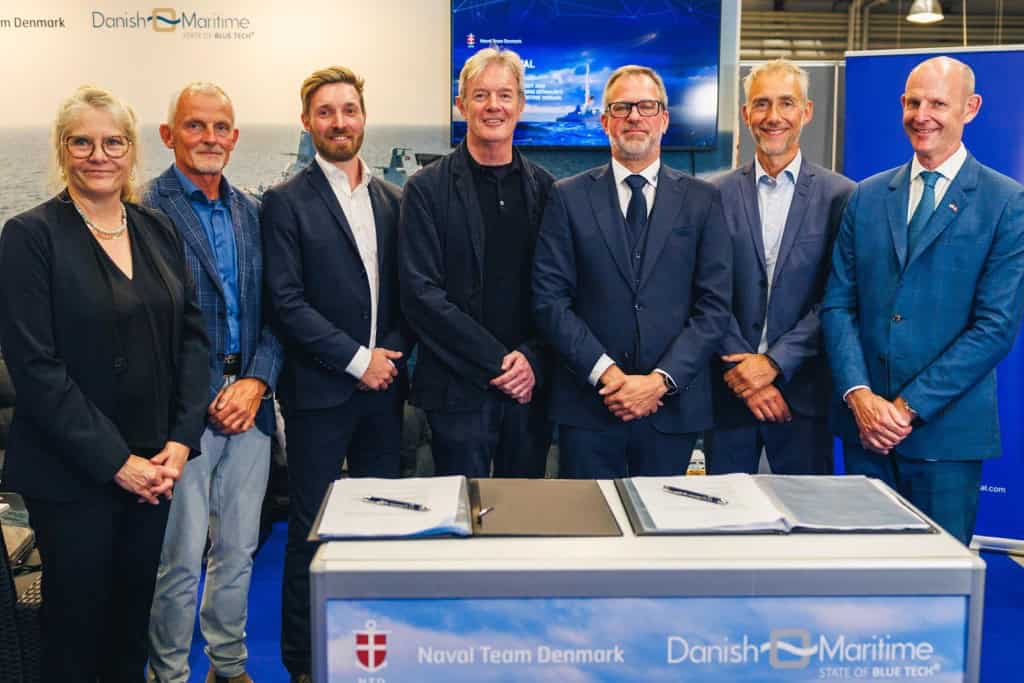
Babcock has signed three Danish agreements covering hybrid naval systems. The partnerships target autonomy integration, standardised interfaces, and wider Danish industrial participation.
-

Steyr Motors reports a €310 million backlog extending through 2030. Its defence pipeline spans naval craft, military vehicles, motor-generator units, autonomous systems, and mobile power despite short-term procurement delays.
-
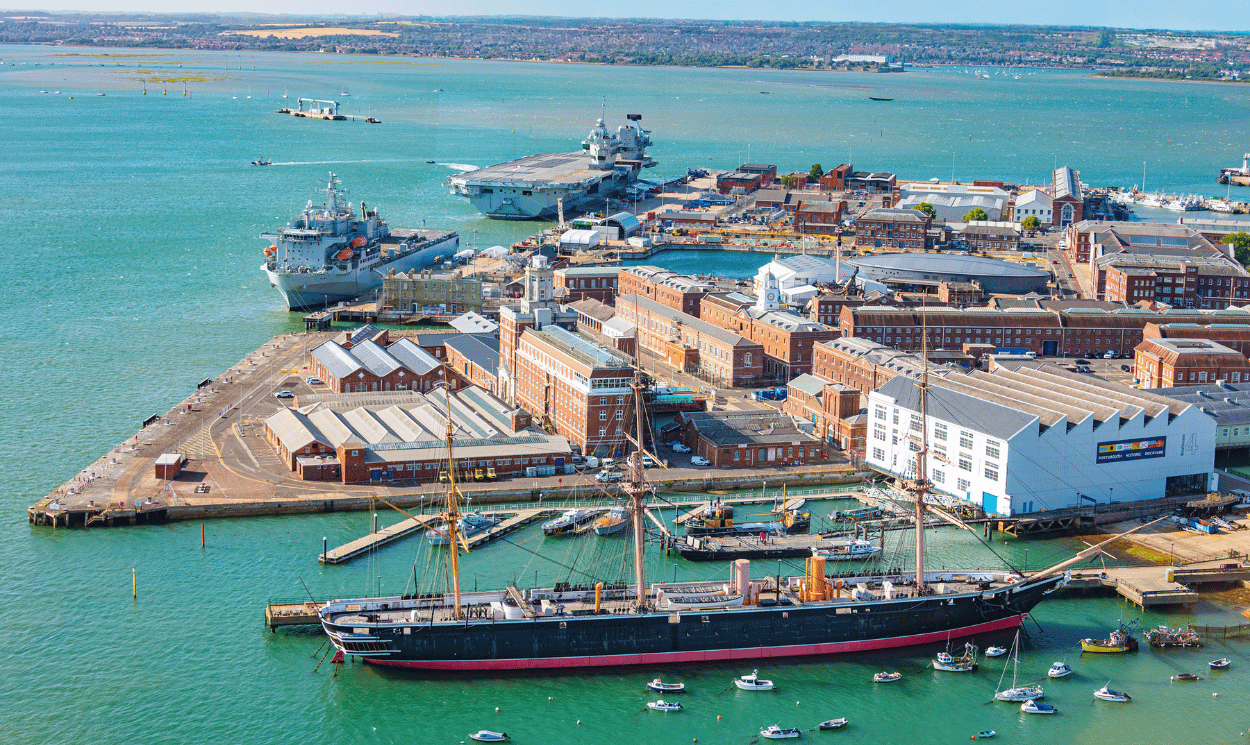
North will modernise surveillance systems across Portsmouth Naval Base estate. The programme covers secure video, analytics, networking, cameras, and a new control centre while maintaining continuous security operations throughout installation.
-
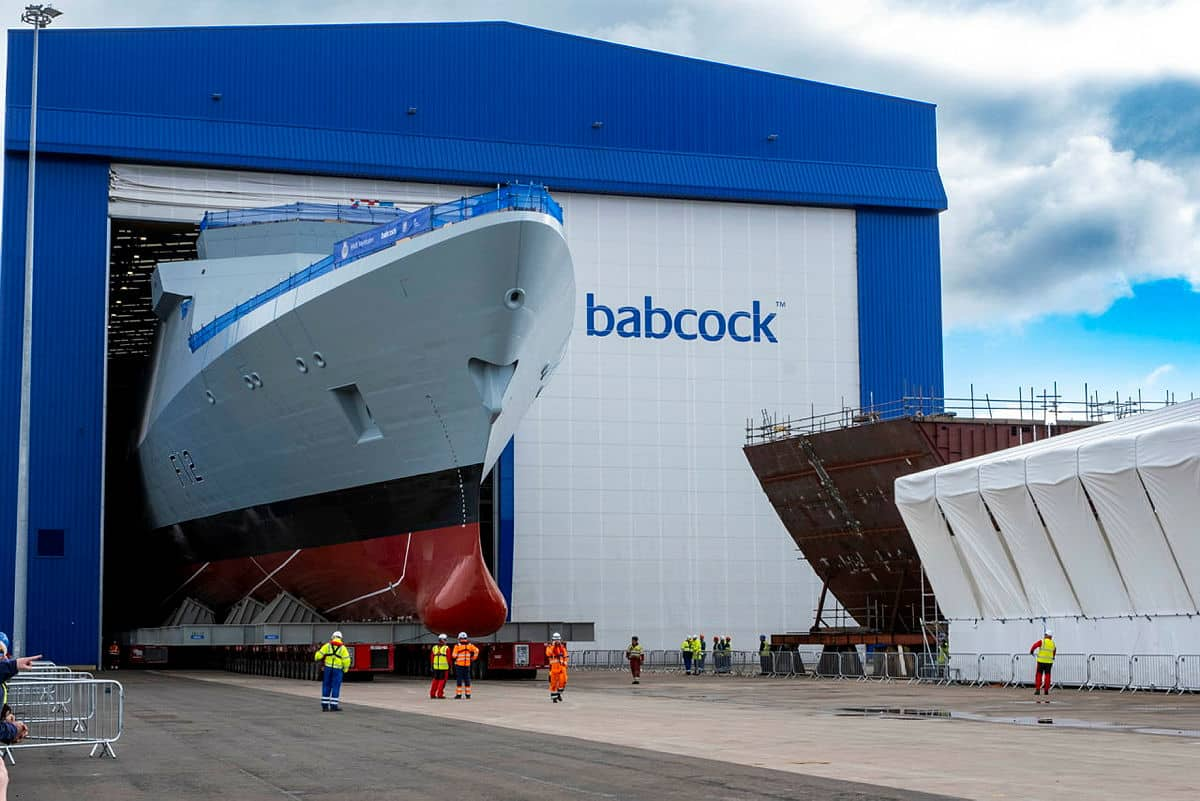
Amentum joins Babcock’s five-year framework for UK defence engineering services. The arrangement covers nuclear, marine, land, aviation, and mission systems, including specialist infrastructure work supporting Britain’s submarine fleet.
-
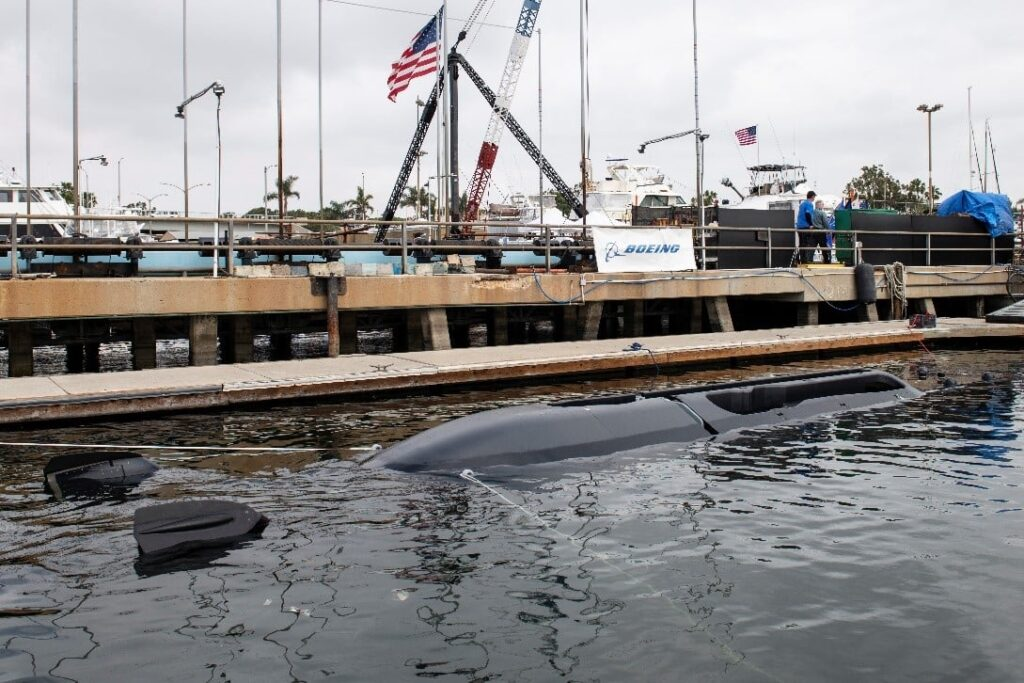
Orca has completed its first thousand-mile Pacific undersea transit milestone. The US Navy says the mission advances endurance evidence for extra-large autonomous systems intended to augment crewed forces.