
Sea
-

John F. Kennedy has begun final acceptance trials before delivery. The second Ford-class carrier returned to sea after builder’s trials, with several weapons elevators still completing construction.
-
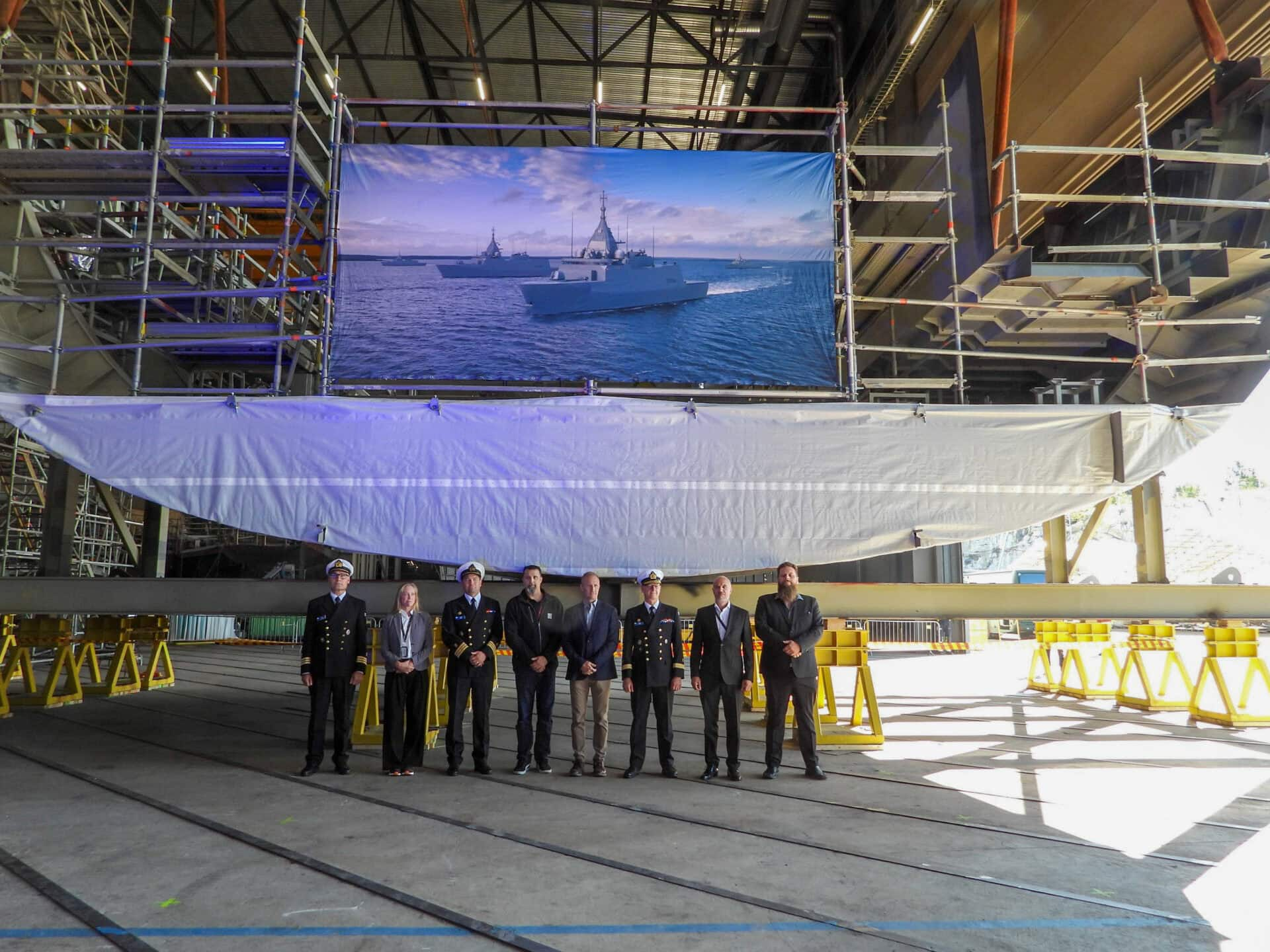
Rauma Marine is scaling naval and Arctic shipbuilding capacity rapidly. Four Pohjanmaa corvettes, US cutter work, and sustained yard investment are converging at Rauma.
-
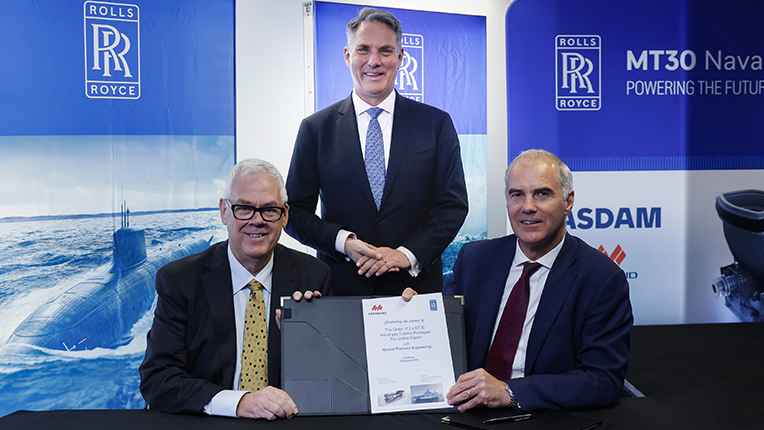
Rolls-Royce is expanding Australian production for Type 26 propulsion systems. Marand will build three additional MT30 acoustic enclosures and ship interface systems in Melbourne.
-
Australia and America tested autonomous undersea systems together during RIMPAC. The AUKUS activity combined subsea vehicles, surface autonomy, and acoustic communications around critical infrastructure protection.
-
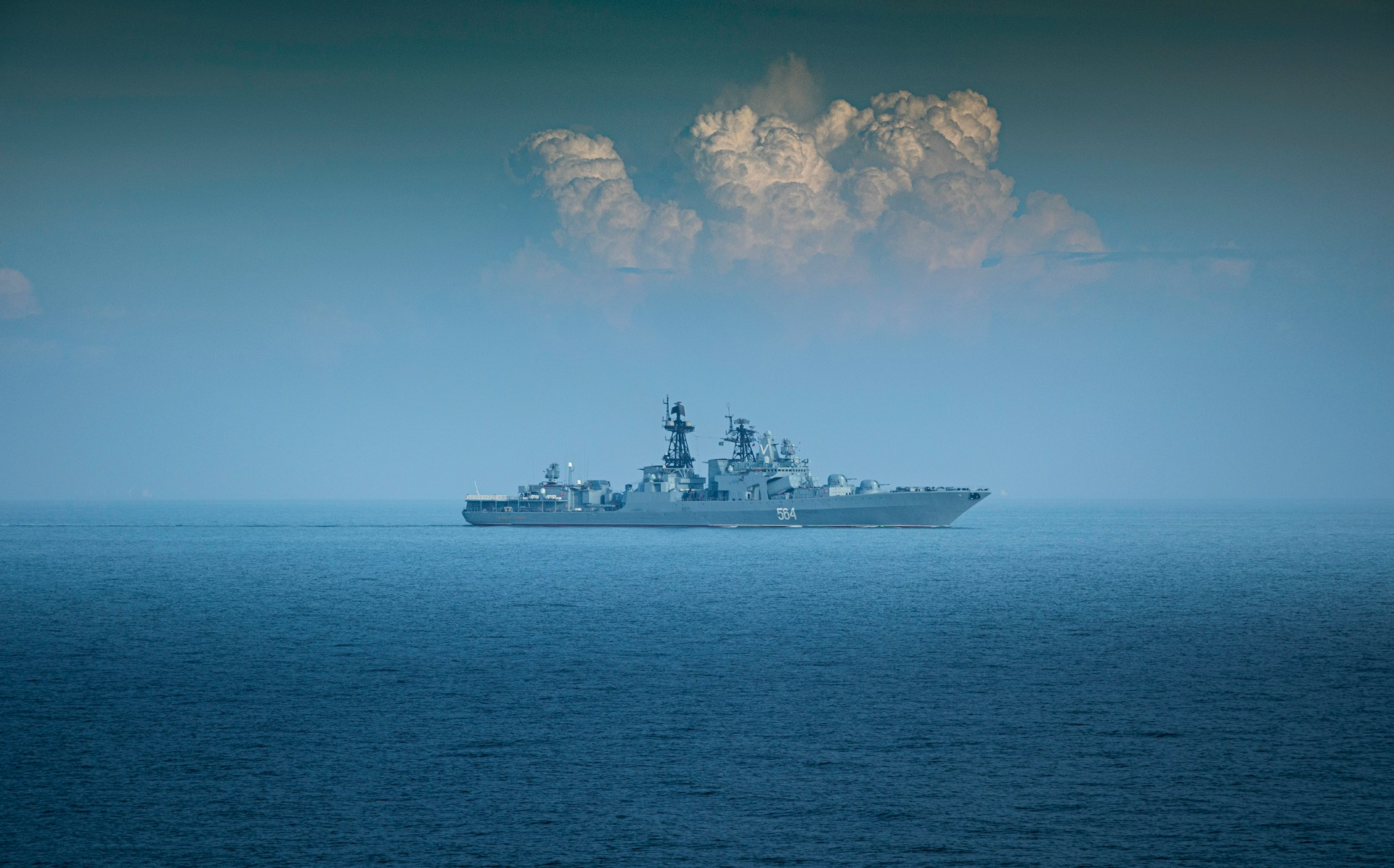
Poland’s first Miecznik frigate has safely left its assembly hall. Wicher now enters a multi-day launch sequence ahead of christening and controlled float-off into the Gulf of Gdańsk.
-
Royal Navy electronic warfare modernisation reaches another production hardware milestone. The first production-standard MEWSIC system has reached the Ministry of Defence ahead of further acceptance, integration, and shipboard deployment.
-
Singapore’s Formidable-class frigates now carry Blue Spear missiles at sea. The fit replaces Harpoon within a broader mid-life upgrade of combat, communications, and engineering systems.
-
Malaysia’s third LMS Batch II corvette entered the water successfully. STM now moves the three-vessel programme deeper into outfitting, integration, testing, and delivery work.
-
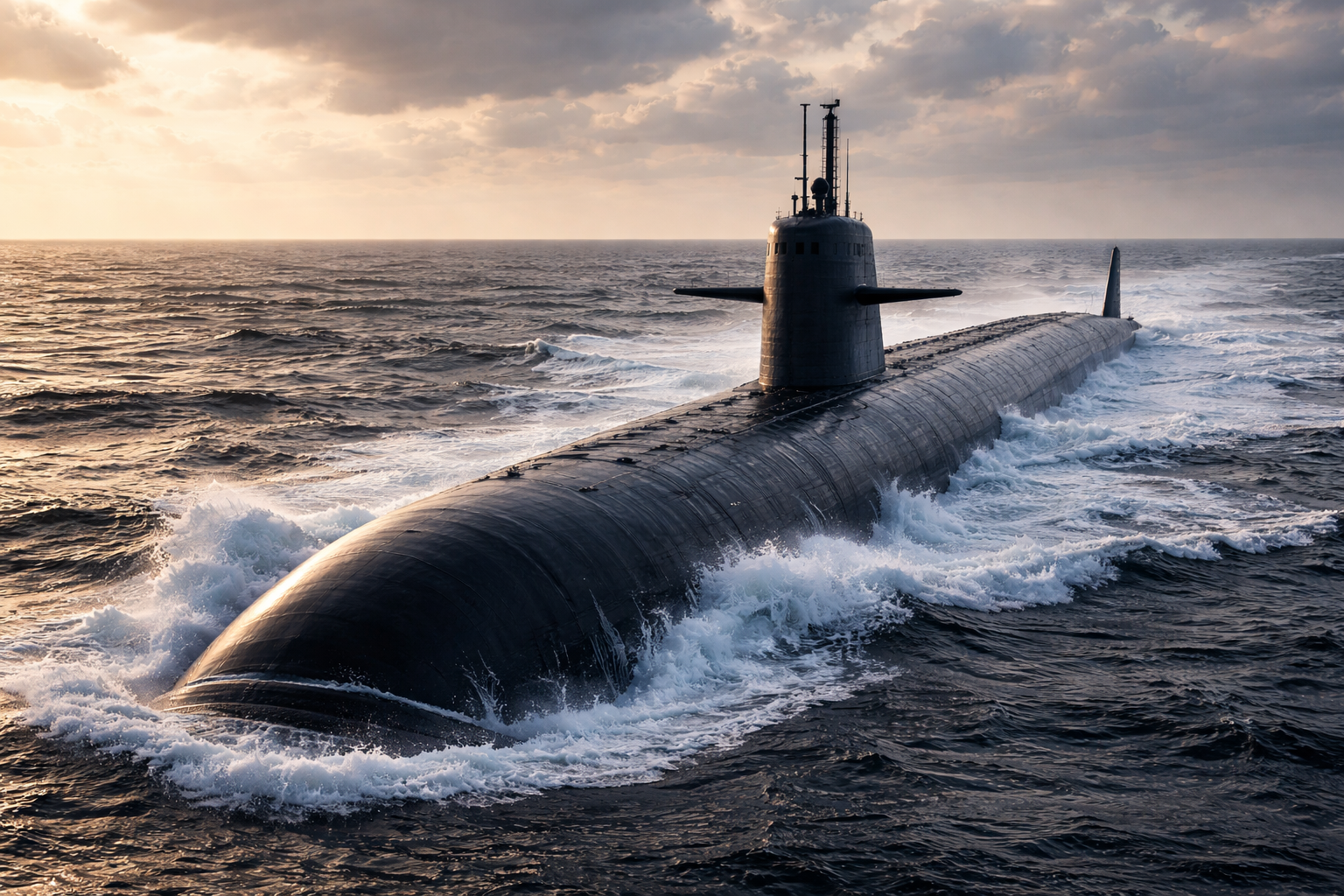
Australia has funded sovereign combat integration for future Virginia-class submarines. Lockheed Martin will build local engineering, workforce, and supplier capability under the AUKUS programme.
-
Vietnam begins building its most advanced domestically designed combat warship. The anti-submarine frigate brings shipbuilding, weapons, electronics, and systems integration into a single national programme.