
Sea
-
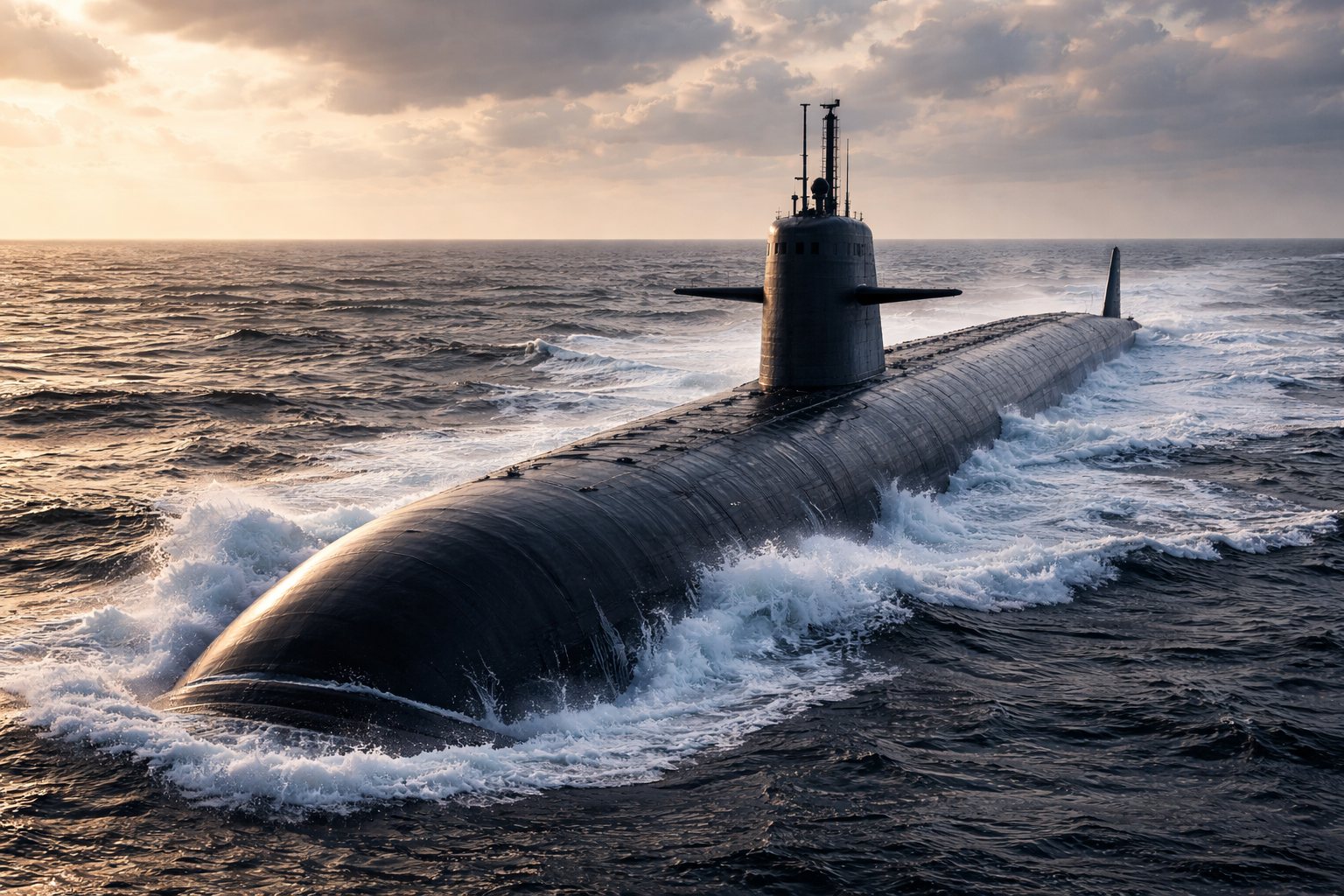
BAE Systems will sustain Britain’s operational torpedoes through June 2029. The £135 million contract supports 315 jobs and bridges existing arrangements to the planned WHITEHEAD2 programme.
-
Bath Iron Works has christened the future USS William Charette. The Flight III destroyer will carry SPY-6(V)1 radar, Aegis, expanded electrical capacity, and integrated air-and-missile-defence capability.
-
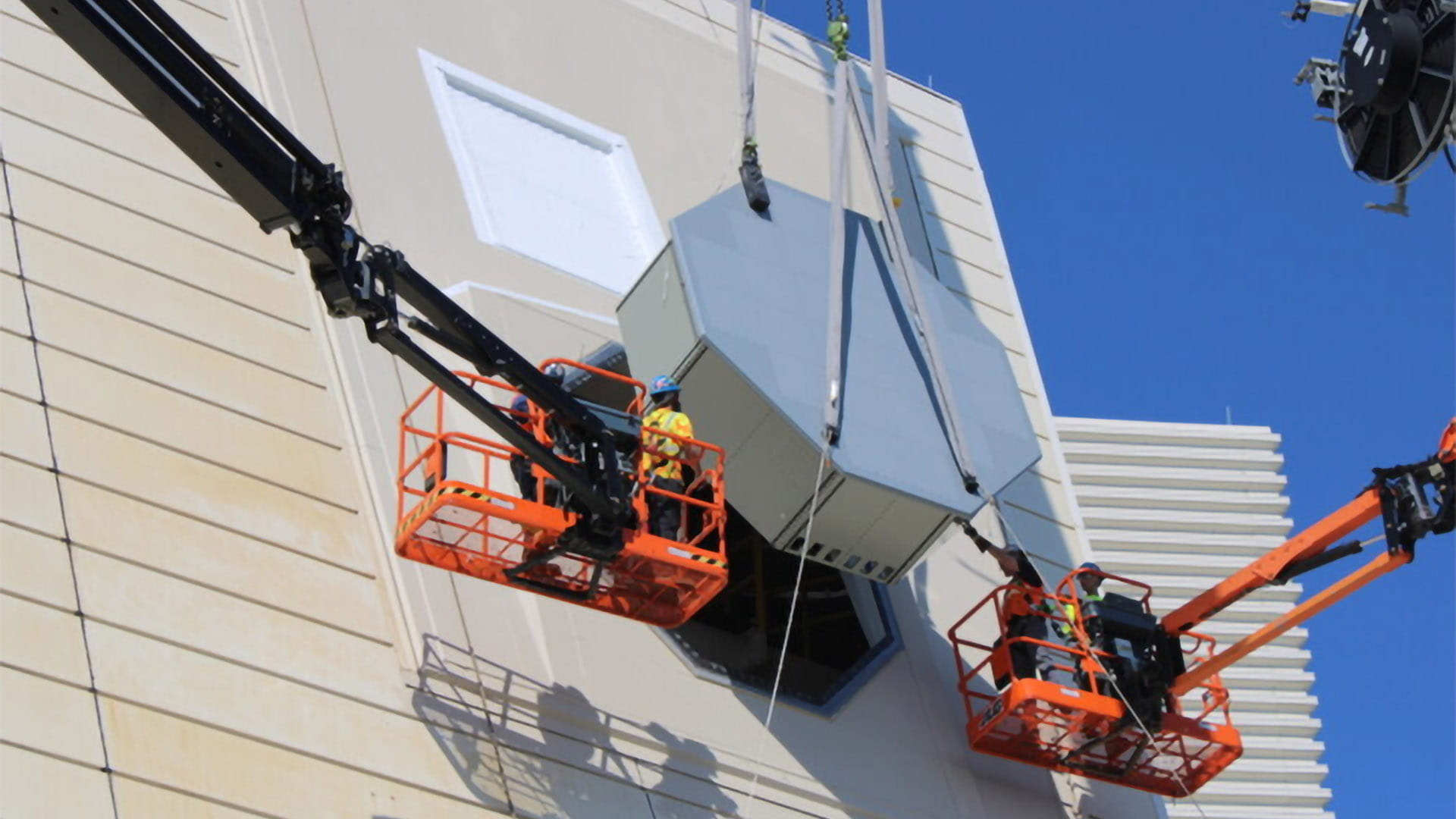
Raytheon has installed the first SPY-6(V)4 radar array at Wallops. Land-based testing will support the USS Pinckney backfit and subsequent Flight IIA destroyer modernisation through mid-2028.
-
Diehl and BAE Systems will integrate naval gun technologies jointly. Their agreement covers 127 mm ammunition for the Mk 45 Mod 4 and potential IRIS-T compatibility with BAE Systems launchers.
-
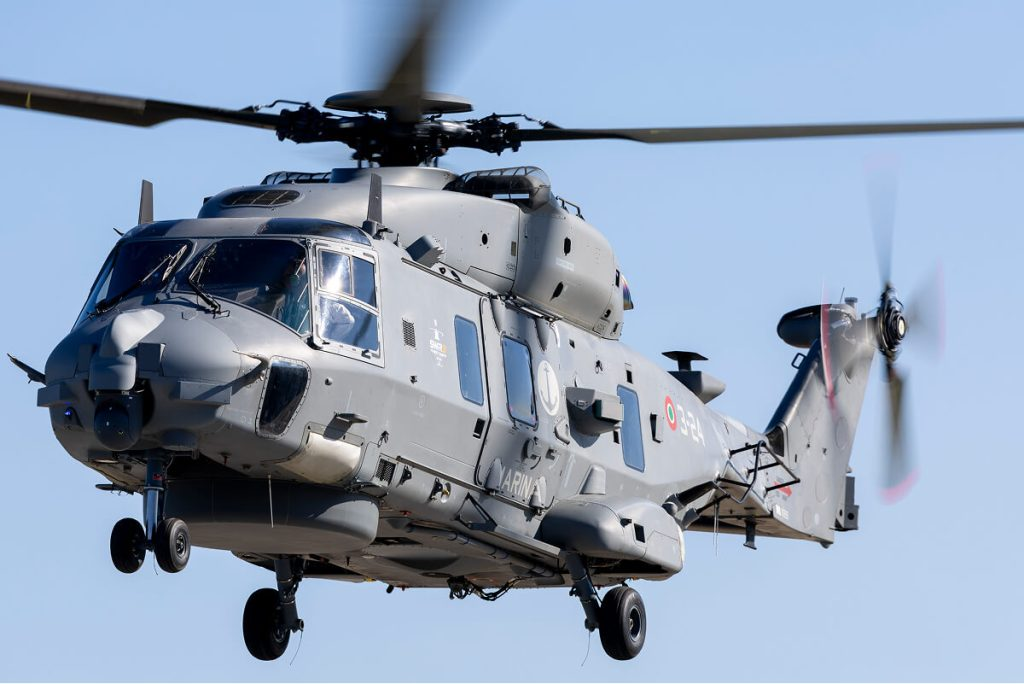
NHIndustries has started flight testing the NH90 Block 1 configuration. The upgrade adds Link 22, improved navigation, new electro-optical equipment, weapons functions, and enhanced anti-submarine warfare sensors.
-
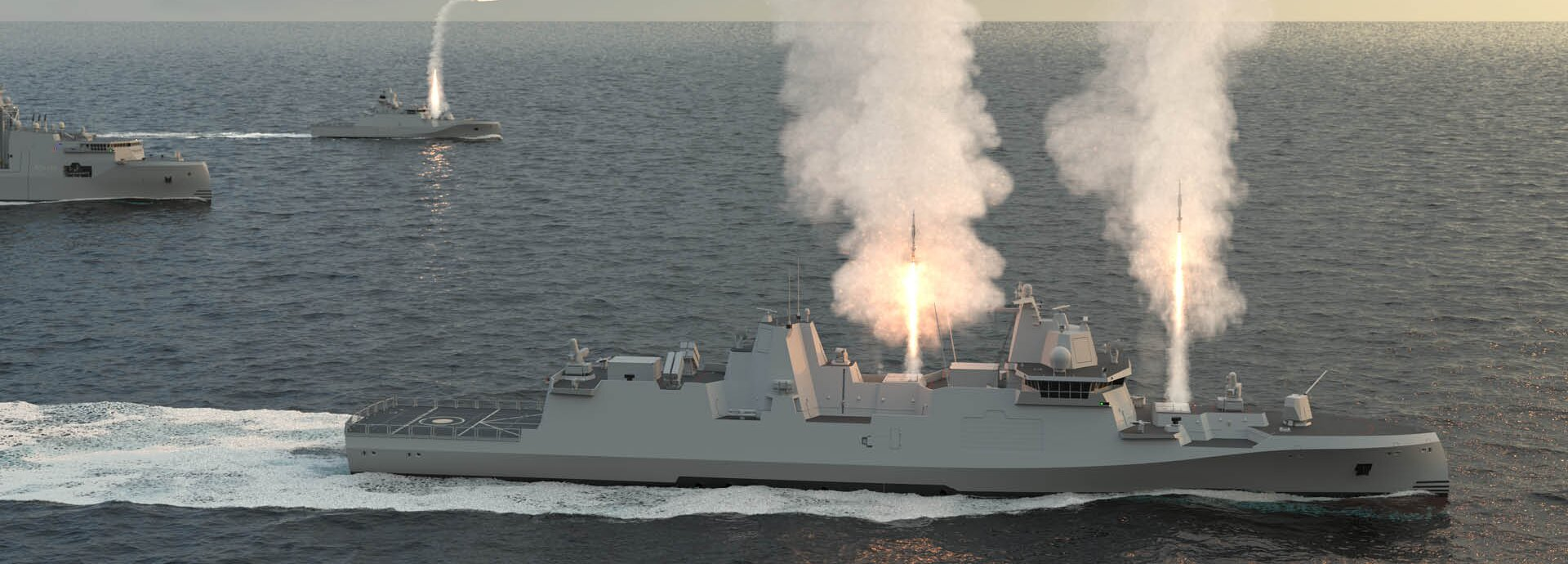
Rheinmetall has unveiled its new 6,000-tonne GMF 140 guided-missile frigate. The concept combines 64 strike-length VLS cells, Aegis integration, ballistic-missile defence, anti-submarine systems, and long-range strike.
-
Thales has begun designing uncrewed vessels for Dutch ASW frigates. Each 12-metre craft will carry an adapted FLASH dipping sonar, extending detection range without exposing the host ship.
-
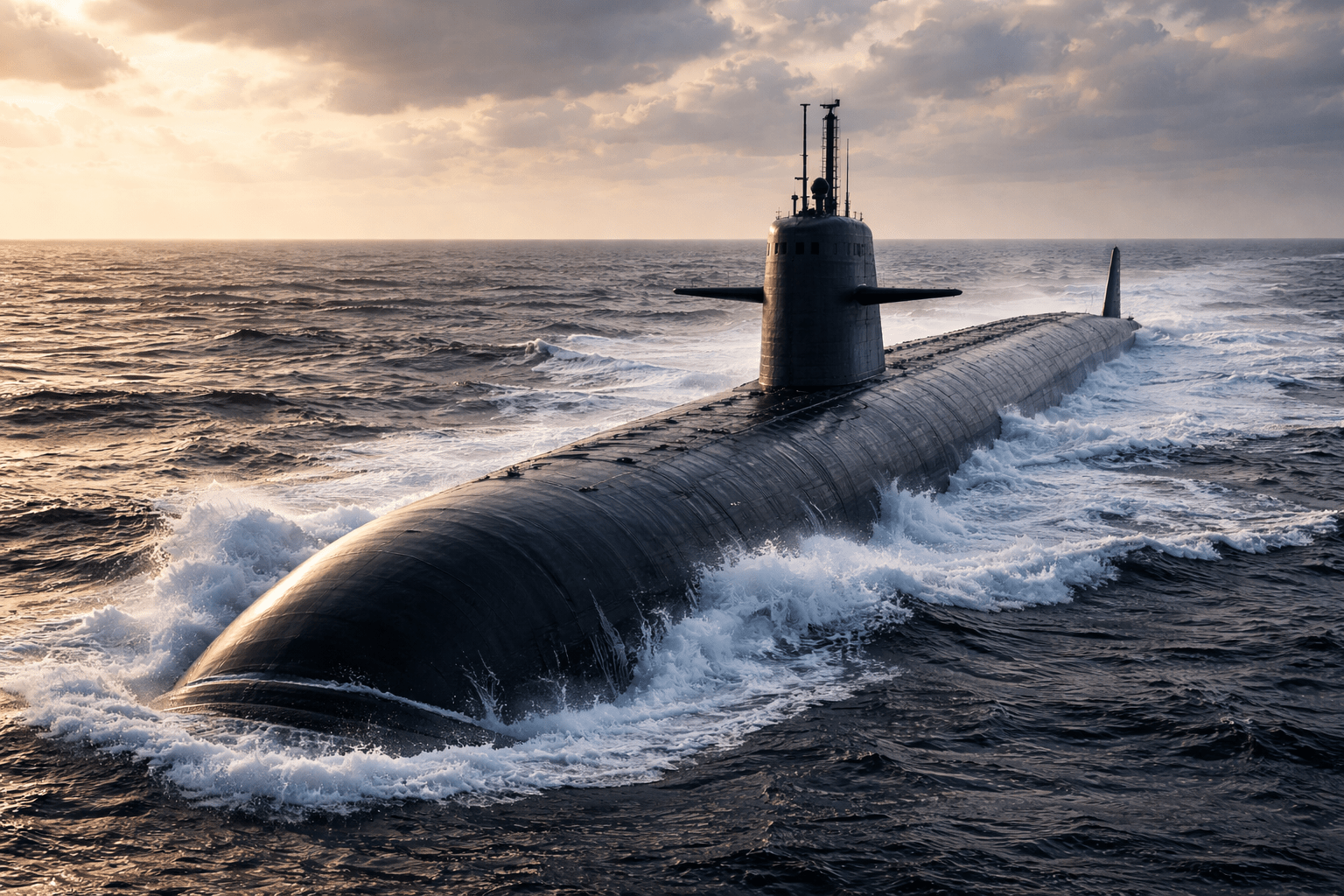
The US Navy has ordered 188 additional Hammerhead mine systems. General Dynamics will also supply eight support-equipment sets under a $229.7 million production modification.
-
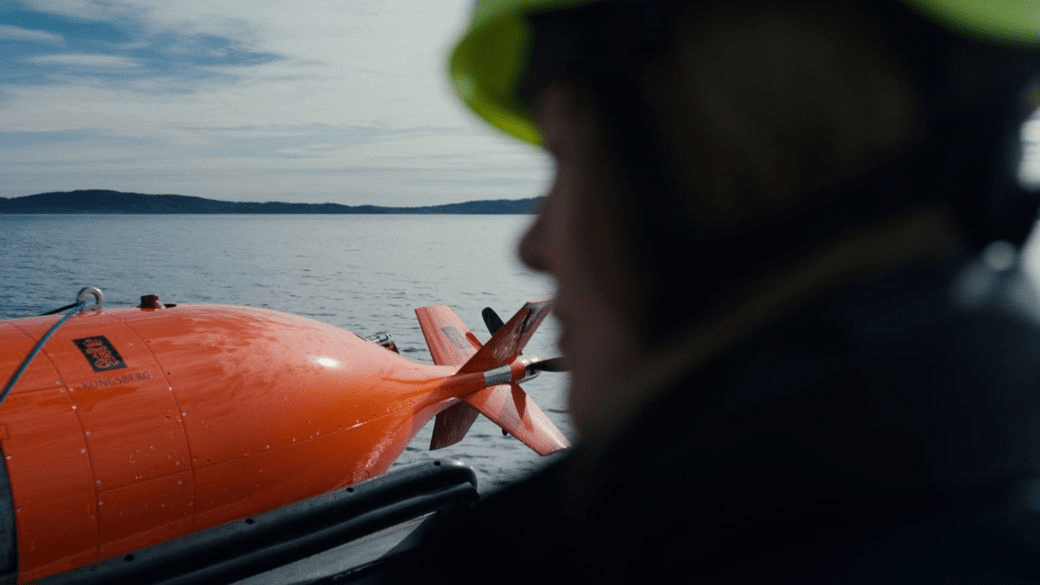
Northrop will manufacture allied surface and submarine inertial sensor modules. Canada and Australia account for most funding, with deliveries scheduled through February 2029.
-
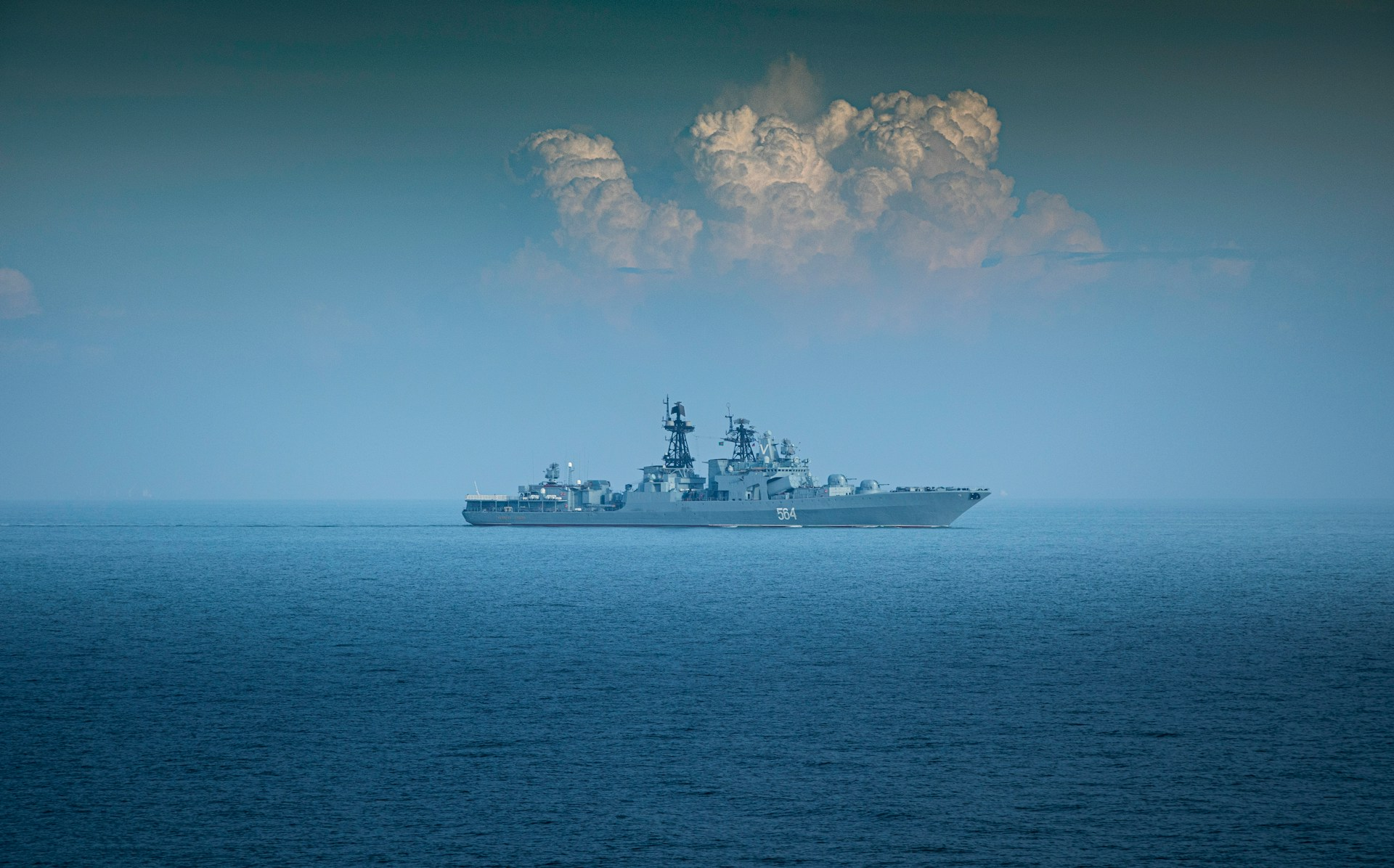
The Pentagon wants robot boats capable of deploying armed drones. SWAP-USV prioritises mature vessels able to launch, control, recover, transport, and support modular aerial payloads.