
Sea
-
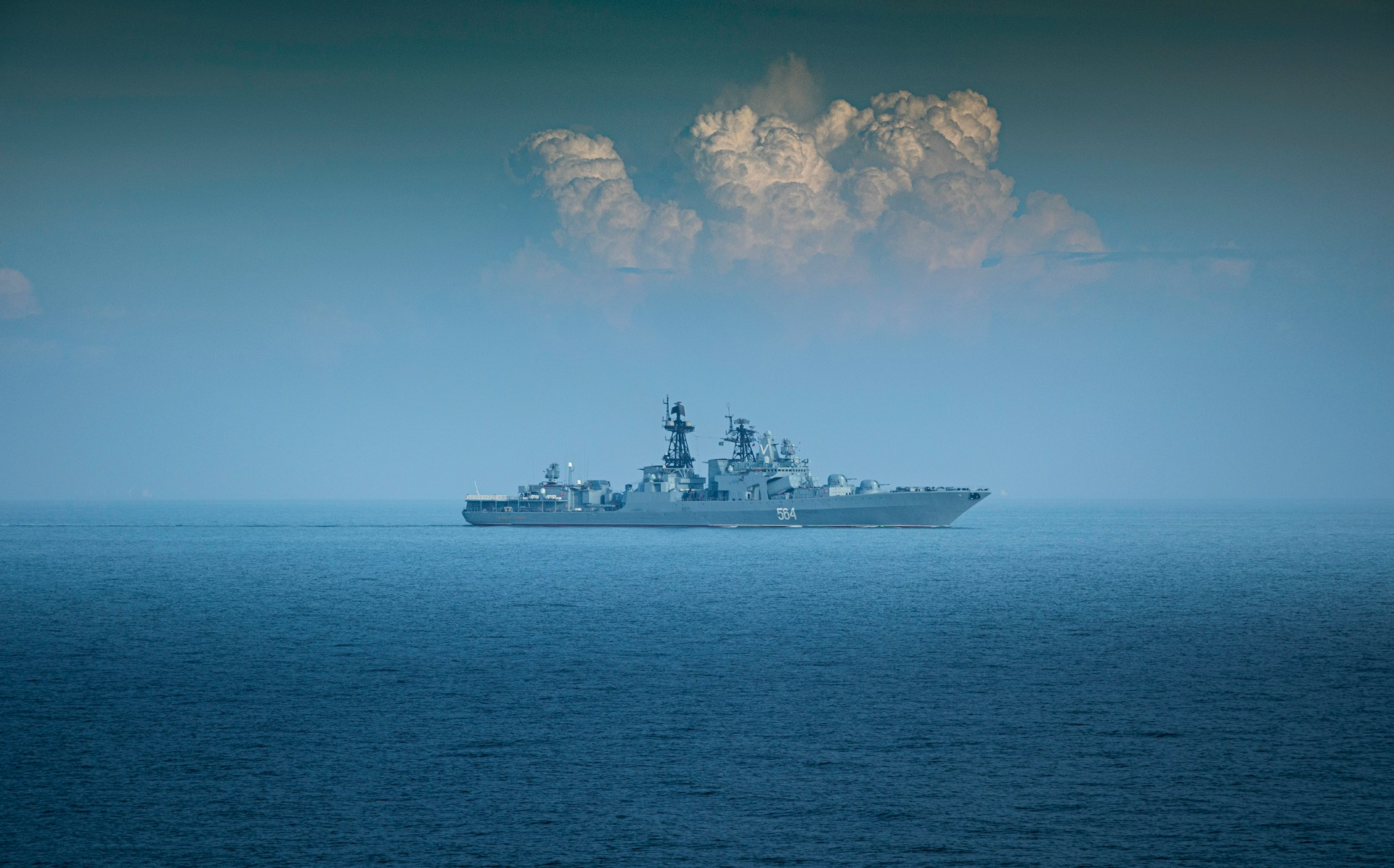
OKI’s sonar contract brings Japanese technology into Australian frigate production. The award covers three improved Mogami-class ships and creates OKI’s first overseas defence-equipment transfer, connecting Japanese acoustic engineering with future construction in Western Australia.
-
Taiwan commissioned the first corvette in Tuo Chiang’s second batch. Four further ships will test the consistency of indigenous hull production, combat-system integration, weapons installation, and fleet support under a compressed naval programme.
-
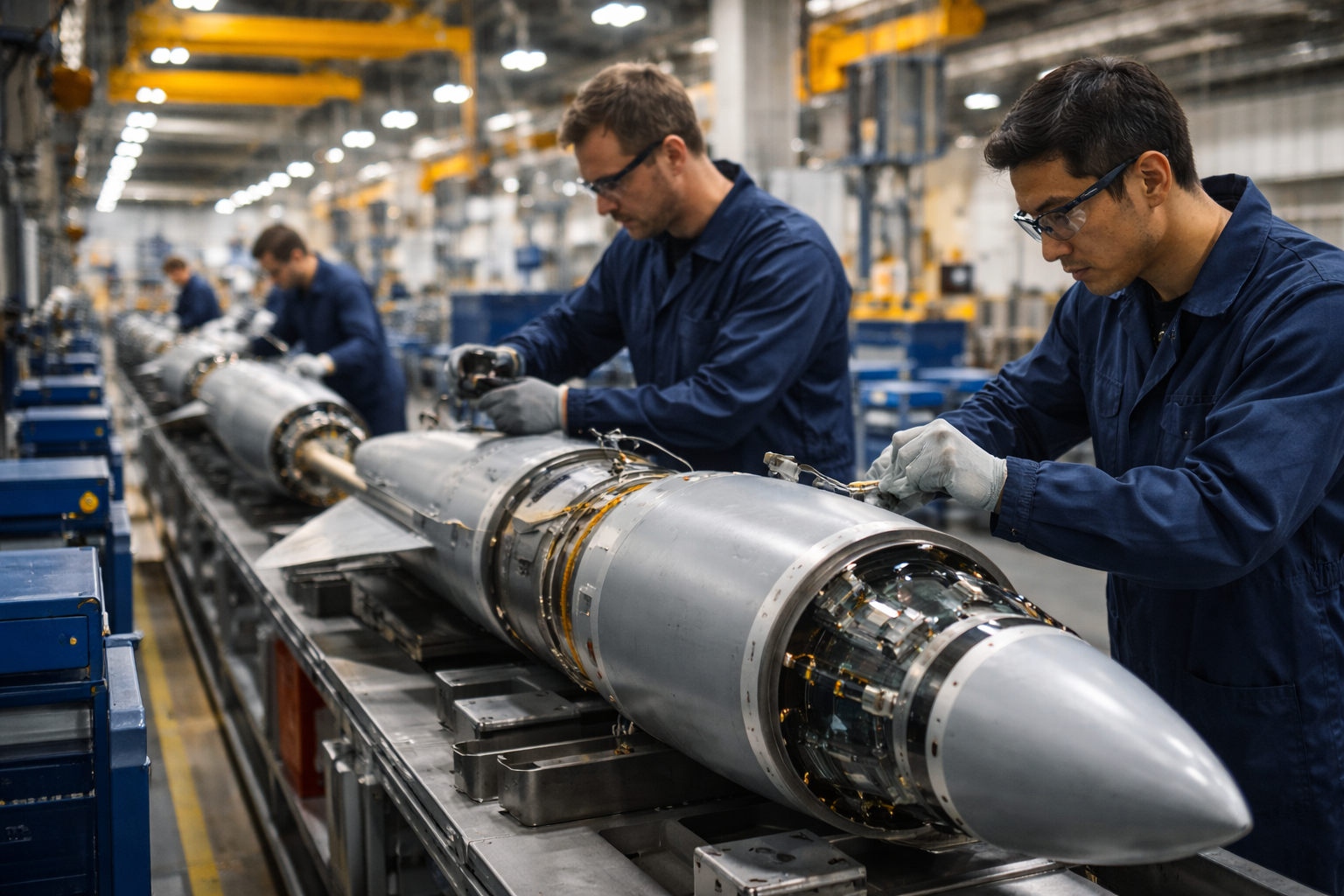
South Korea has started assembling its first KSAM-II missile prototype. The programme links domestic missile production with KDDX integration, demanding tight control across propulsion, guidance, launch interfaces, naval software, and long-term storage.
-
Naval Group has sharpened its modular patrol-vessel offer for Lithuania. The proposed MP-OPV combines heavier armament, containerised mission capacity, unmanned systems, and an industrial partnership involving Lithuanian shipbuilding and research organisations.
-
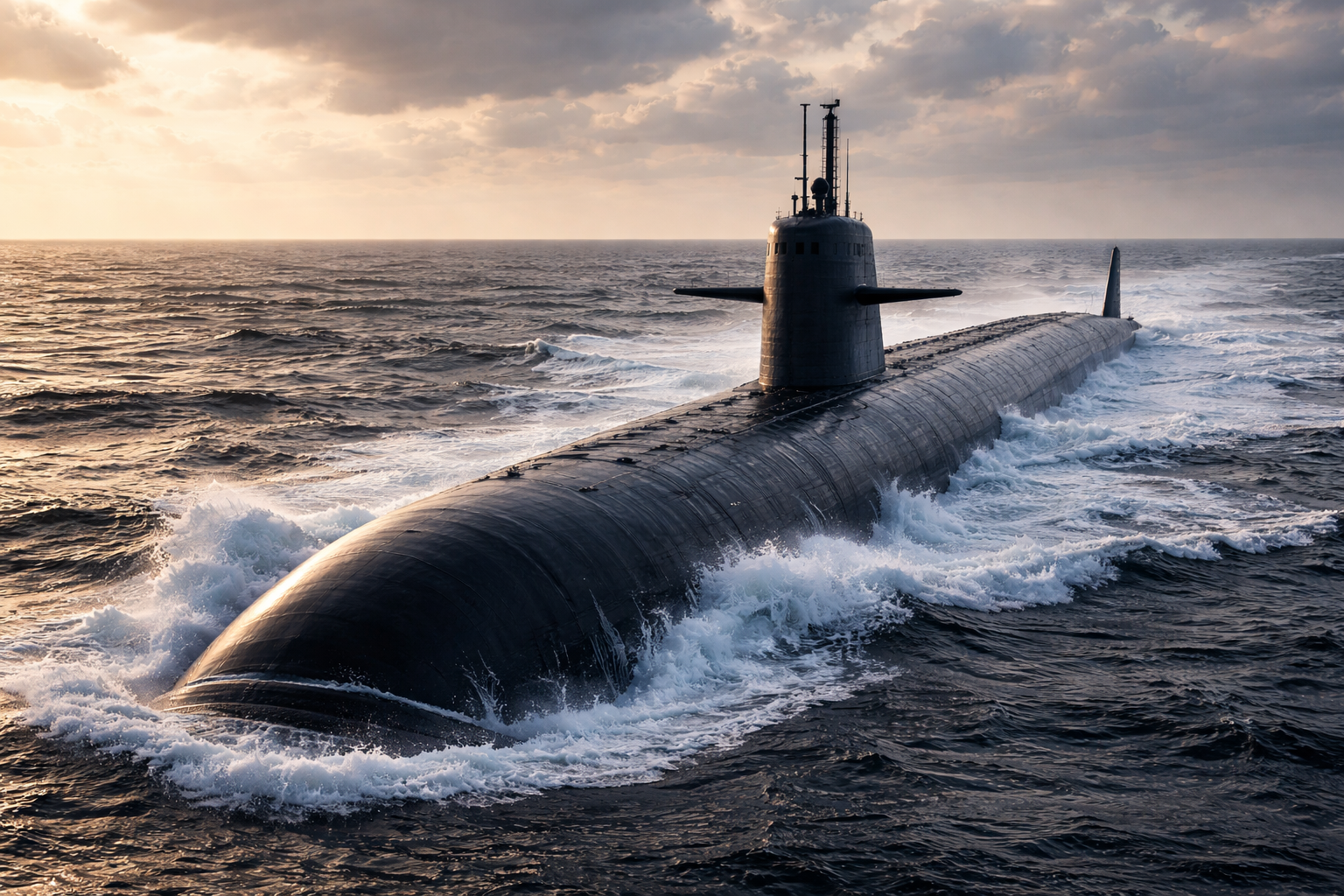
Anduril and Ultra Maritime have connected distributed undersea surveillance systems. Their Lanternfish demonstration linked deployable sonar, processing software, and US Navy command networks against advanced uncrewed underwater vehicles.
-

Babcock and Oxford are mapping Britain’s future defence-engineering workforce requirements. The study covers artificial intelligence, autonomy, cybersecurity, advanced manufacturing, digital engineering, and the established technical disciplines needed to deliver equipment.
-
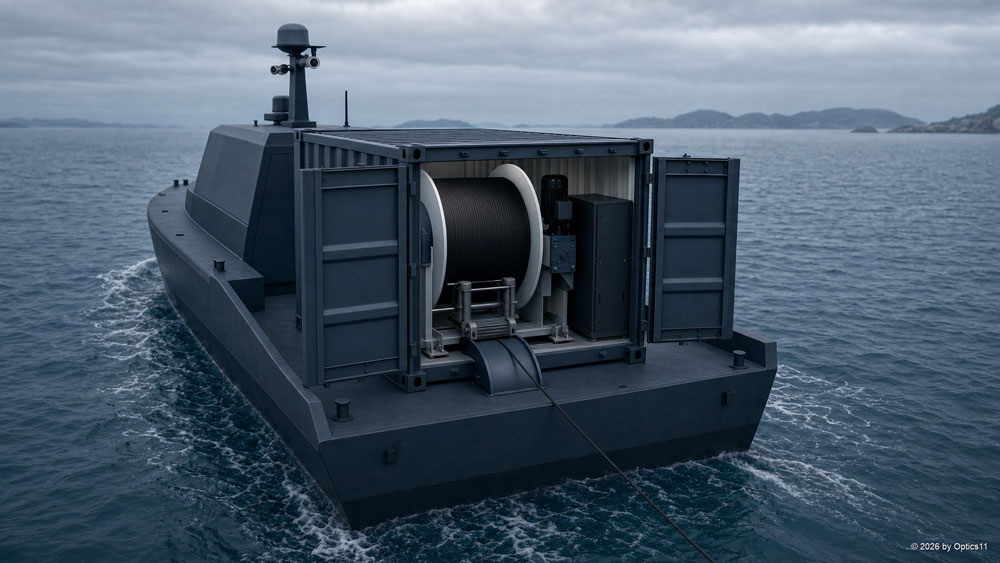
The Netherlands has selected containerised sonar for deployable anti-submarine warfare. OPTICS11 will package fibre-optic sensing, array handling, processing, and supporting equipment for crewed and uncrewed vessels.
-
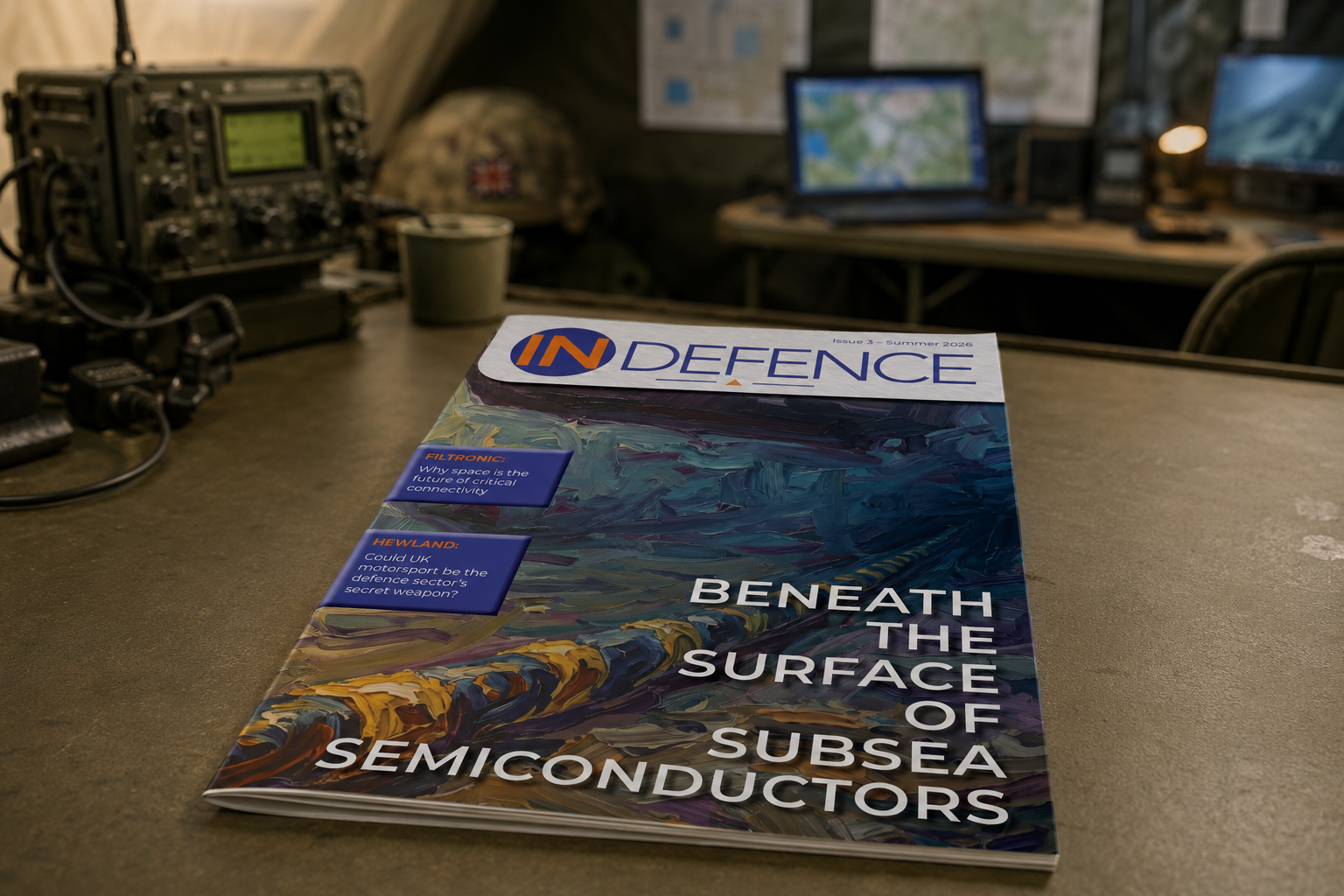
Modern defence relies on systems that remain hidden but dependable. The Summer 2026 issue examines the engineering, communications, and support work needed to keep them operating.
-
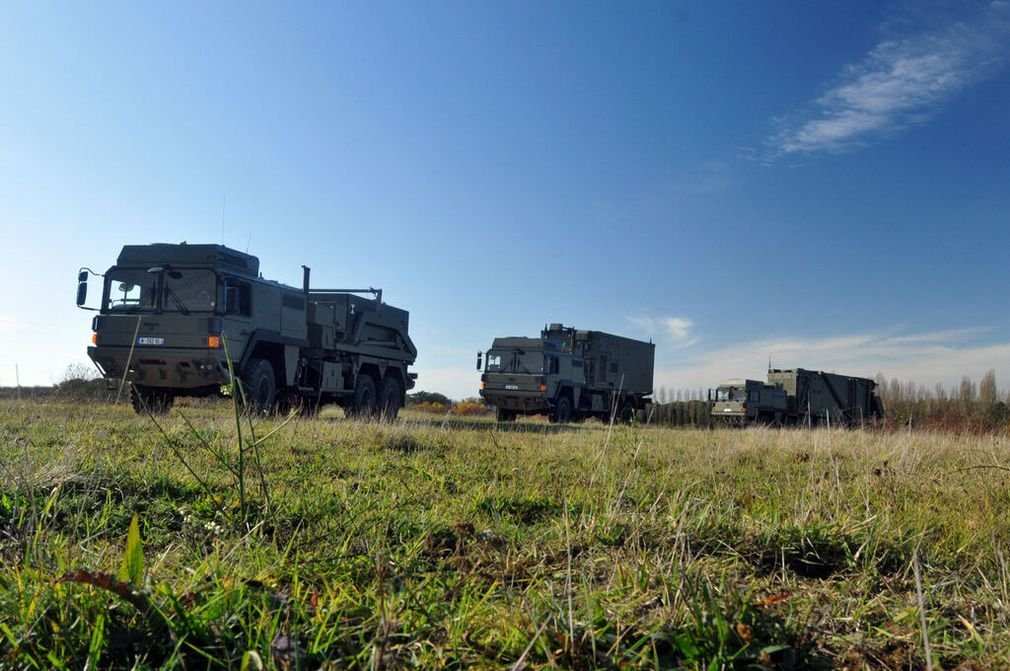
Malaysia has advanced VL MICA procurement for five future frigates. Missile production must now align with launcher installation, combat-system software, ship construction, trials, training, and acceptance work.
-
Italy is compressing the U212 NFS submarine production timetable sharply. New countermeasures, logistics support, and an earlier fourth delivery will test shipyard flow, supplier sequencing, integration, and workforce capacity.