
Sea
-
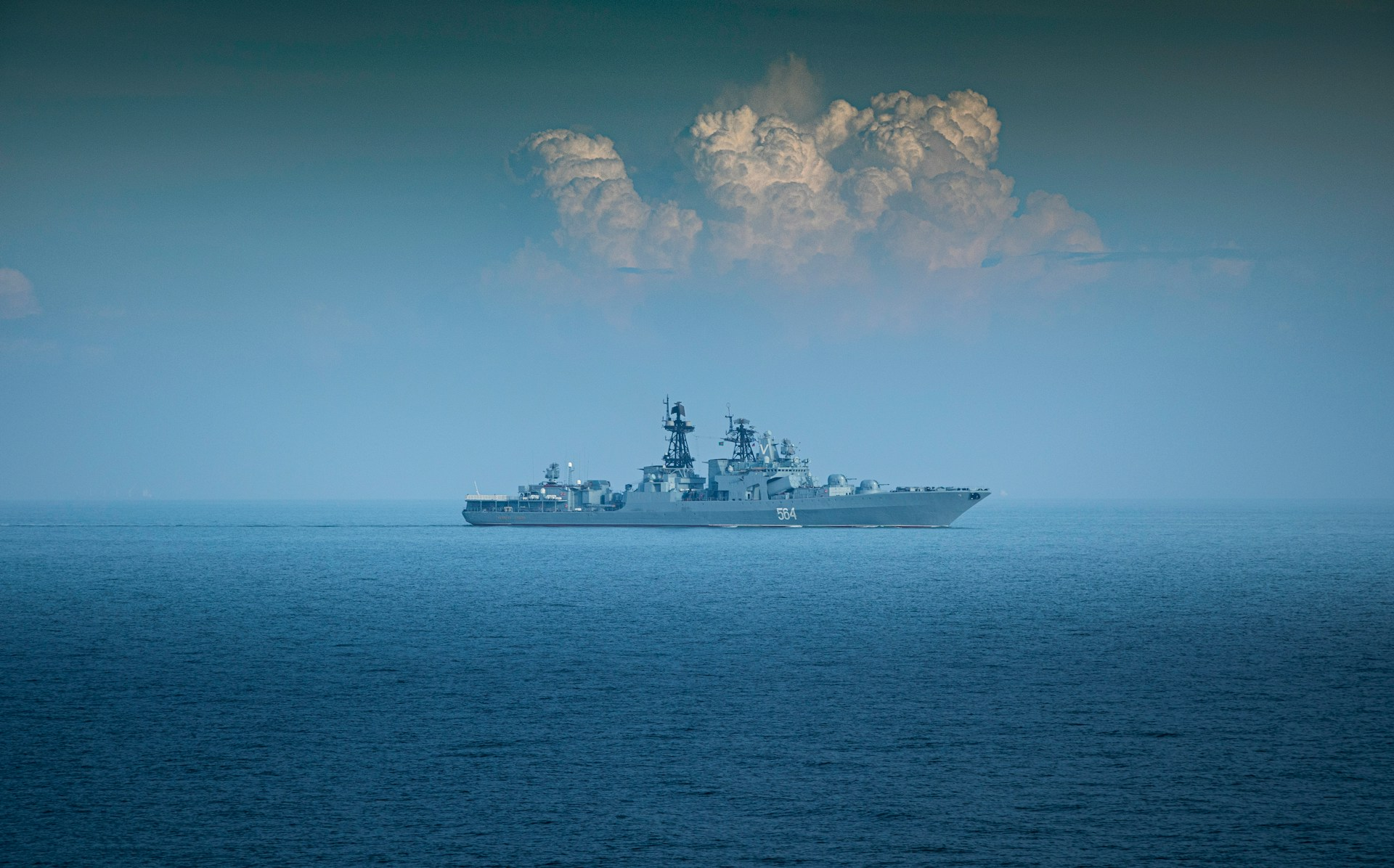
Singapore’s second MRCV has entered its demanding integration phase afloat. Valour now moves through combat-system installation, automation testing, crew preparation, and acceptance work before fleet deliveries begin in 2028.
-
Babcock and LIG are broadening their naval industrial partnership substantially. The agreement connects frigate design, Korean weapons, autonomous systems, and through-life support across prospective international programmes.
-
Raytheon’s SPY-6 extension deepens pressure across naval radar production capacity. More than 50 planned ship installations will draw on modules, software, shipyards, and repair infrastructure.
-
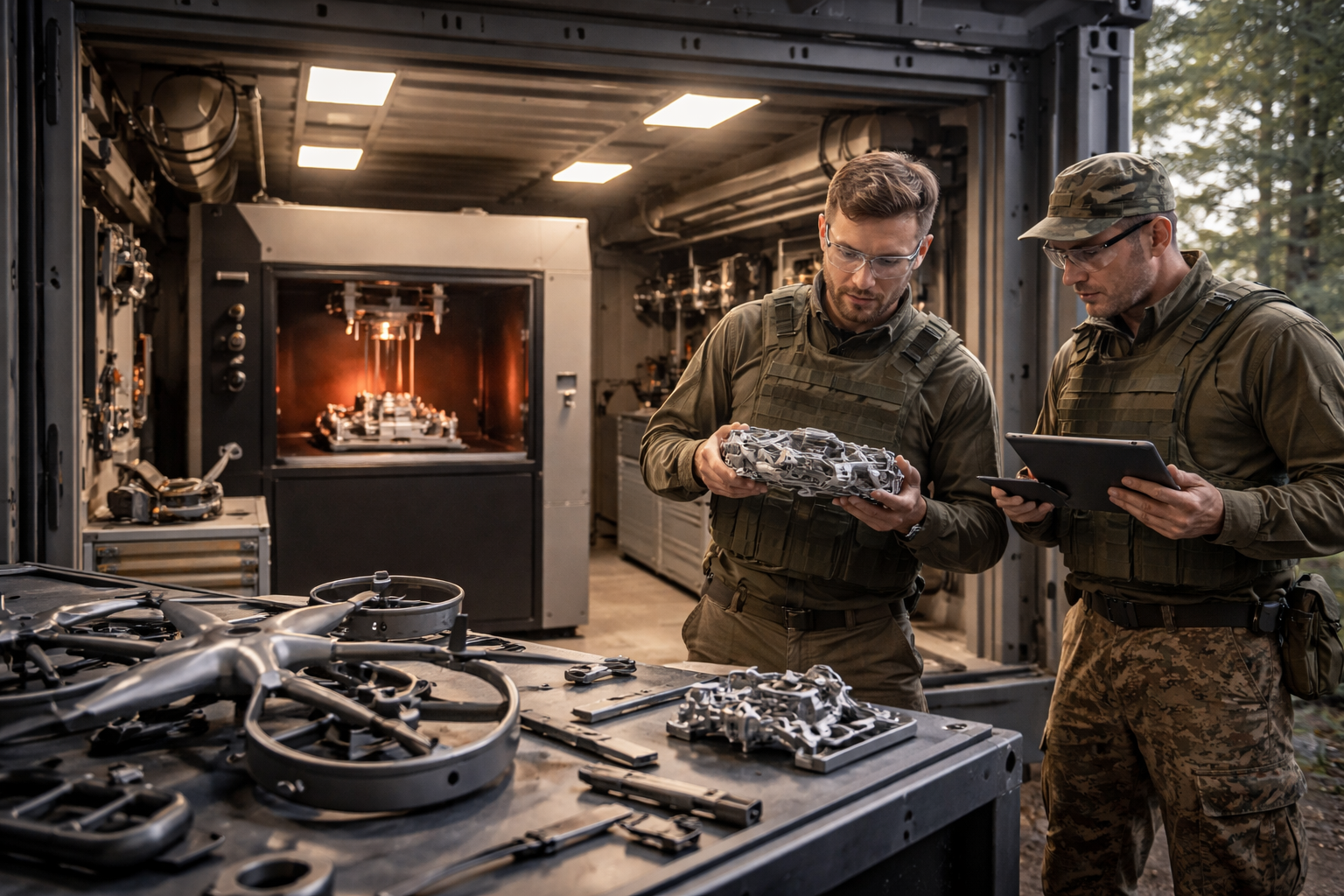
CoAspire’s CHAOS missile brings additive manufacturing into maritime strike production. A $70m prototype agreement will test whether lower-cost structures can support useful output at scale.
-
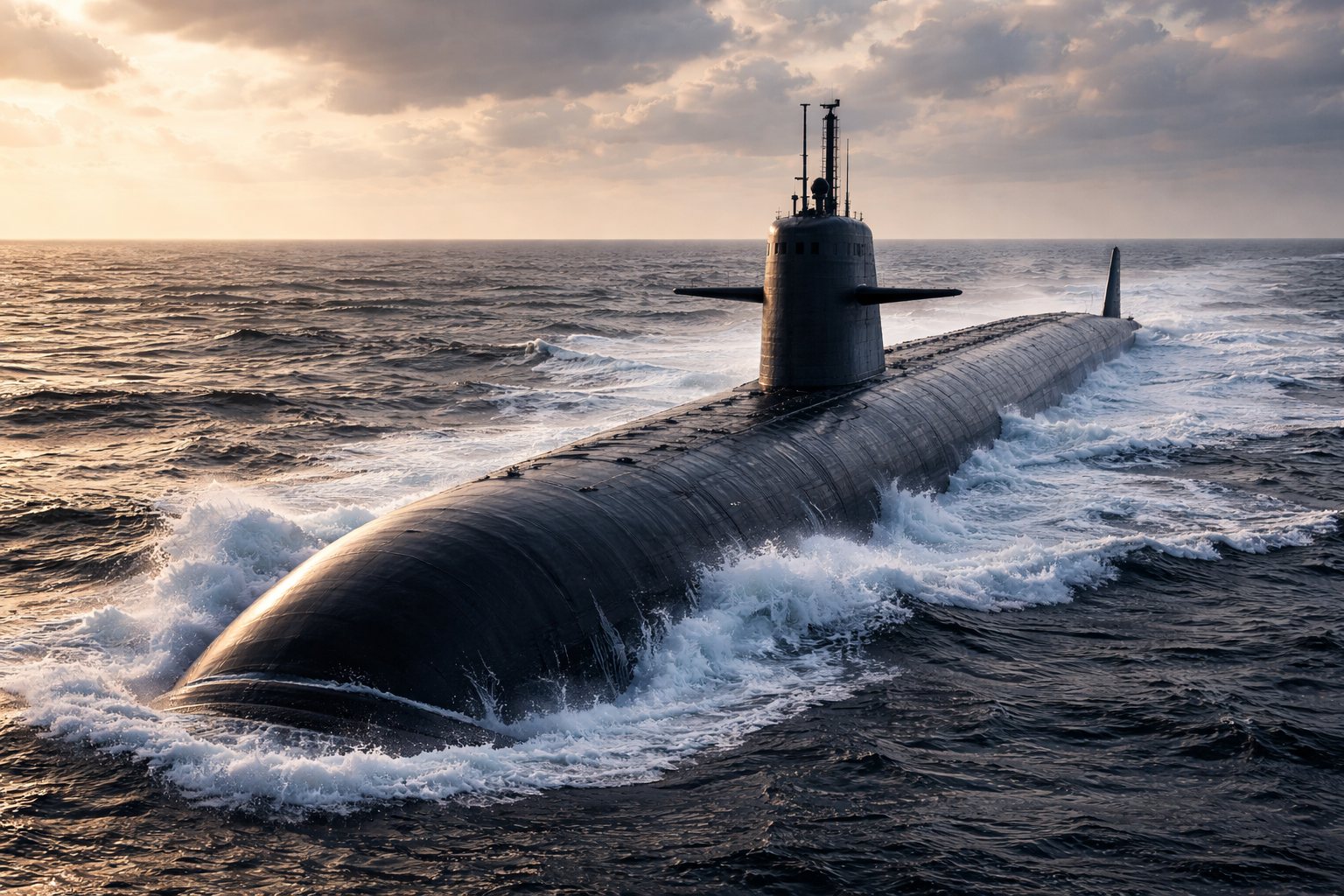
Dutch industry has gained wider access to Orka submarine work. The amended agreement also expands potential participation in F21 torpedo production and through-life support.
-
Babcock has formed a maritime partnership around autonomous counter-drone defence. The concept combines an uncrewed surface vessel, modular launcher, and lower-cost guided missiles.
-
Peru’s submarine programme has reached a significant industrial design milestone. Local construction now depends on shipyard qualification, workforce depth, and controlled technology transfer.
-
Saft’s submarine battery contract turns lithium-ion endurance into production work. Naval qualification will extend across cell consistency, thermal protection, battery management, charging infrastructure, software assurance, and decades of through-life support.
-
Portugal’s FREMM selection opens a demanding three-frigate industrial production cycle. The programme combines Italian construction with Portuguese maintenance, technology transfer, systems support, and long-term work at the Alfeite naval arsenal.
-
Dutch naval trials have integrated drones across three operational domains. The exercise combined a common control architecture with two rapidly built, 12-metre surface vessels, bringing additive manufacturing into a wider test of fleet autonomy.