
Sea
-
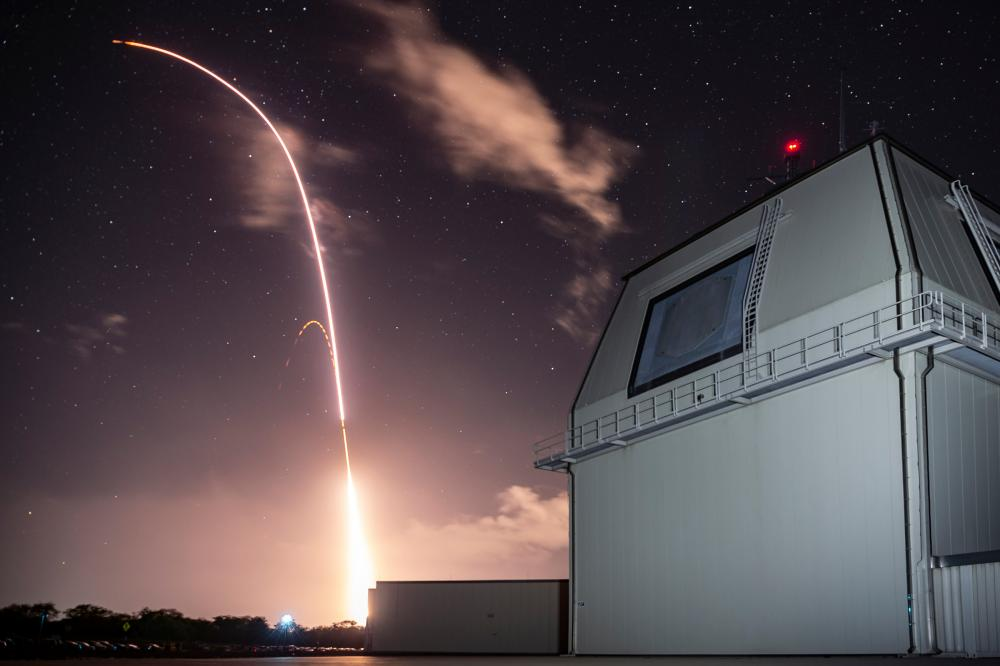
Raytheon expands SM-3 Block IIA interceptor production under new contract. The $745.39 million action covers US and Japanese rounds, extending manufacture and assembly in Tucson and Huntsville through February 2031.
-
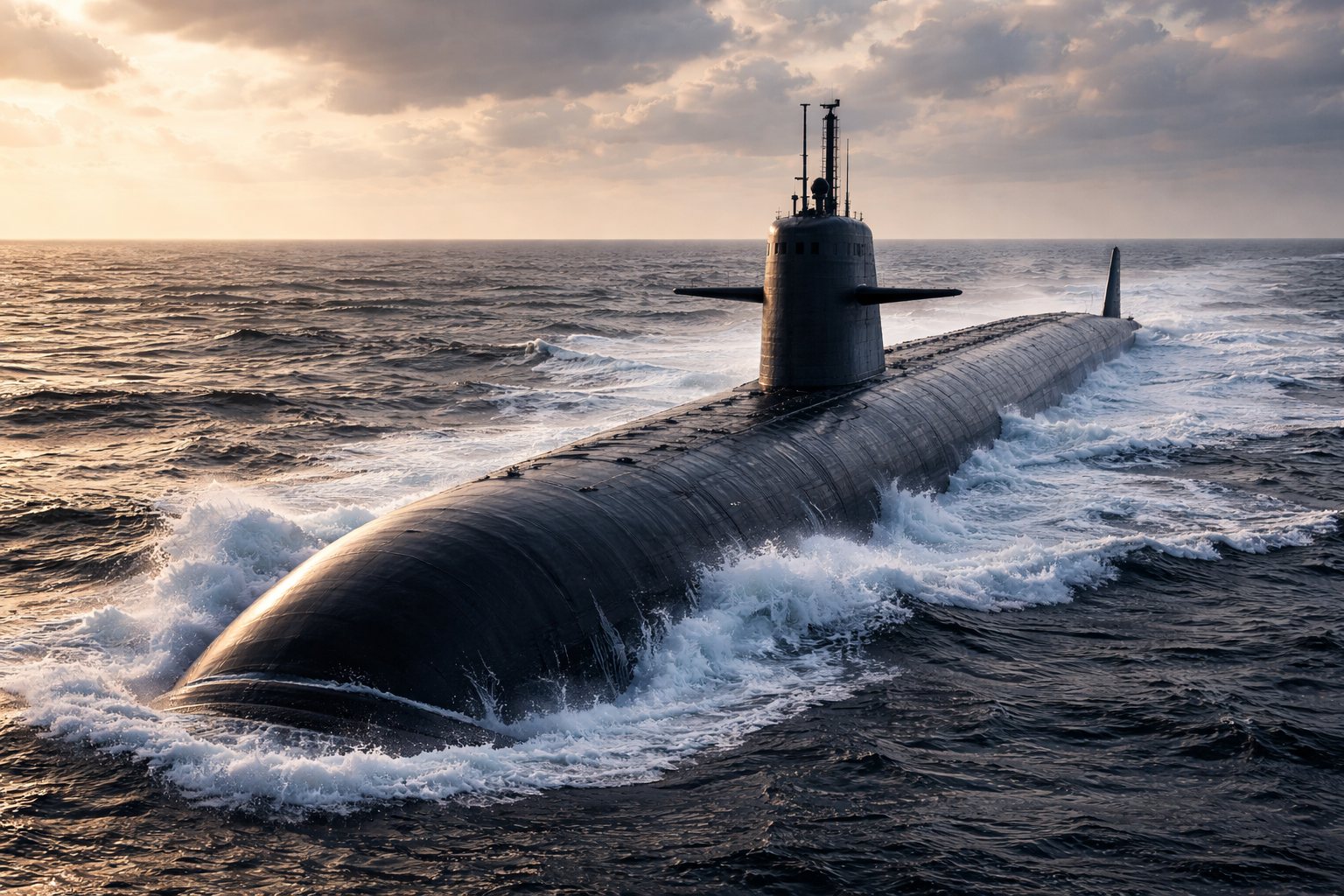
Lockheed Martin has secured a new naval conformal-array production contract. The $24.77 million US Navy award extends manufacture of submarine acoustic hardware across New York, Mexico, and Florida through May 2029.
-
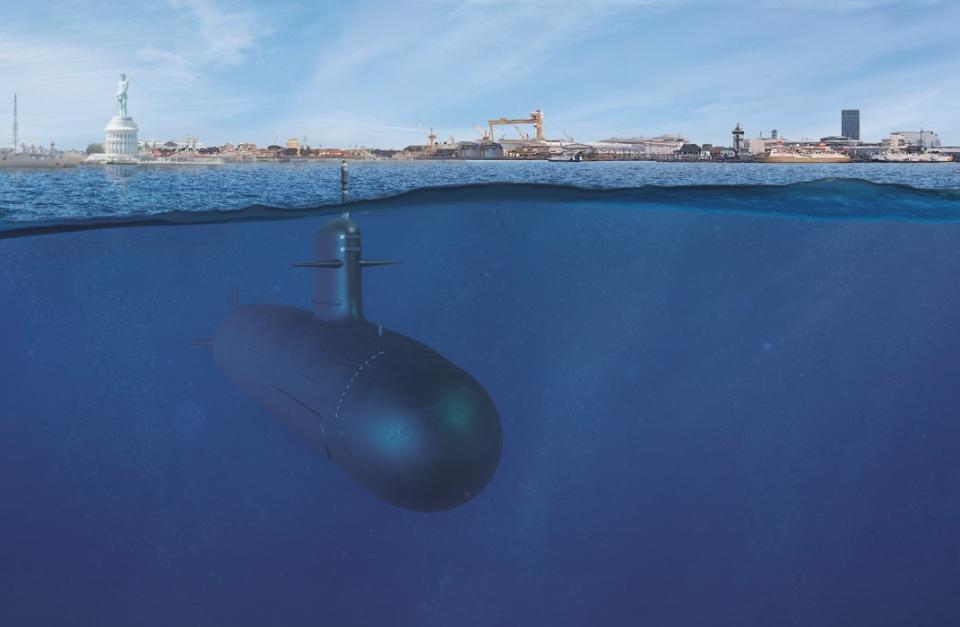
Indonesia has begun domestic construction of its first Scorpène submarine. The 7 August steel-cutting milestone puts PT PAL into full hull production under a programme designed to build two boats locally with Naval Group technology transfer.
-
Graham secured two naval contracts worth more than $43 million. The work covers MK48 torpedo power hardware and submarine air-turbine-pump spares.
-
Voyager will supply throttleable propulsion systems for SM-3 interceptor production. The Raytheon award covers precision divert and attitude control for exo-atmospheric engagements.
-
HII will link robotics investment directly to qualified shipbuilding output. The seven-year agreements could place up to $900 million with two automation suppliers.
-

Rheinmetall’s backlog exceeded €80 billion as first-half earnings accelerated further. The F126 decision removed up to €300 million from expected 2026 naval sales.
-
Rangeview will supply Navy replacement castings through software-defined foundry capacity. The contract targets obsolete tooling and long MRO lead times.
-
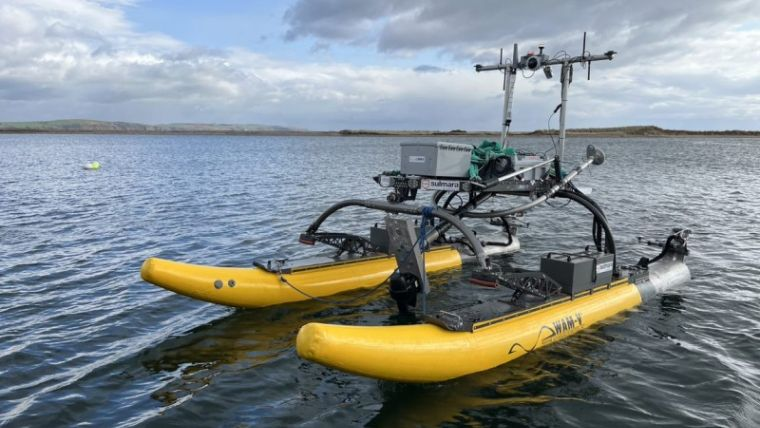
Ocean Power has joined a Navy autonomous seabed-mapping contract framework. Six companies will compete for task orders under the shared $40m ceiling.
-
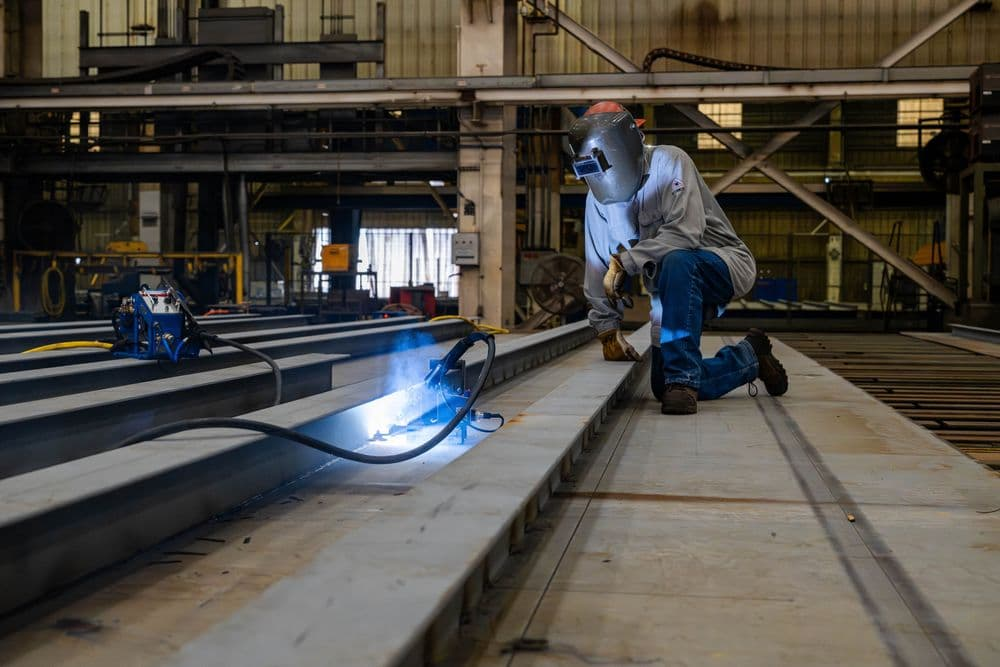
Ingalls will test South Korean welding automation in naval fabrication. The pilot targets safer work, better traceability, and improved production efficiency.