IN Brief:
- Supacat and KNDS have demonstrated platforms for British Army mobility requirements, including the Land Mobility Programme.
- The programme could replace a large proportion of the Army’s lighter vehicle fleet, beginning with urgent Land Rover replacement needs.
- Production emphasis is falling on UK manufacture, modularity, common spares, and reduced fleet complexity.
Supacat and KNDS have used a UK capability demonstration to position their vehicle options for the British Army’s future mobility requirements, including the Land Mobility Programme.
The event brought together industry and defence stakeholders at the Ministry of Defence’s Long Valley test centre near Aldershot, with the companies showing current and future platforms for lighter and protected mobility roles. The Land Mobility Programme is intended to rationalise and replace large parts of the Army’s lighter vehicle estate, with the first urgent phase focused on the ageing Land Rover 4×4 fleet.
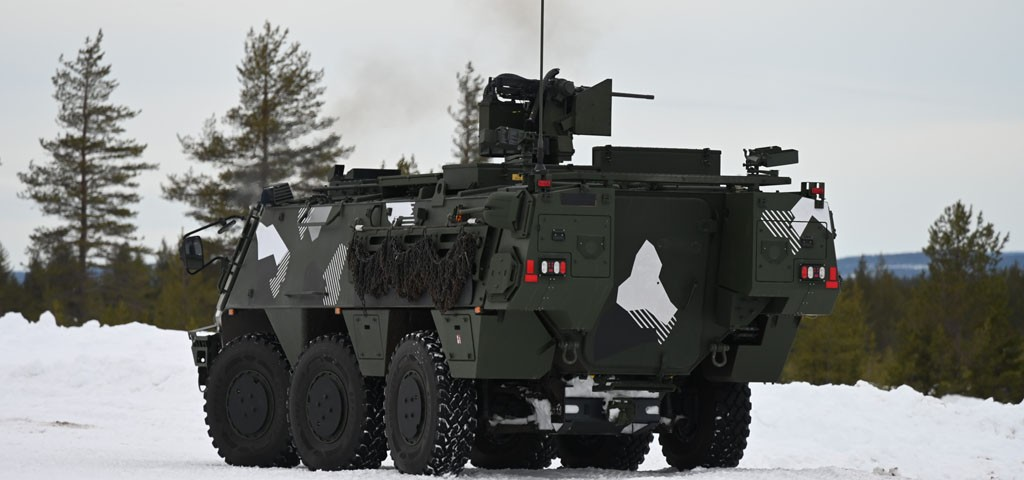
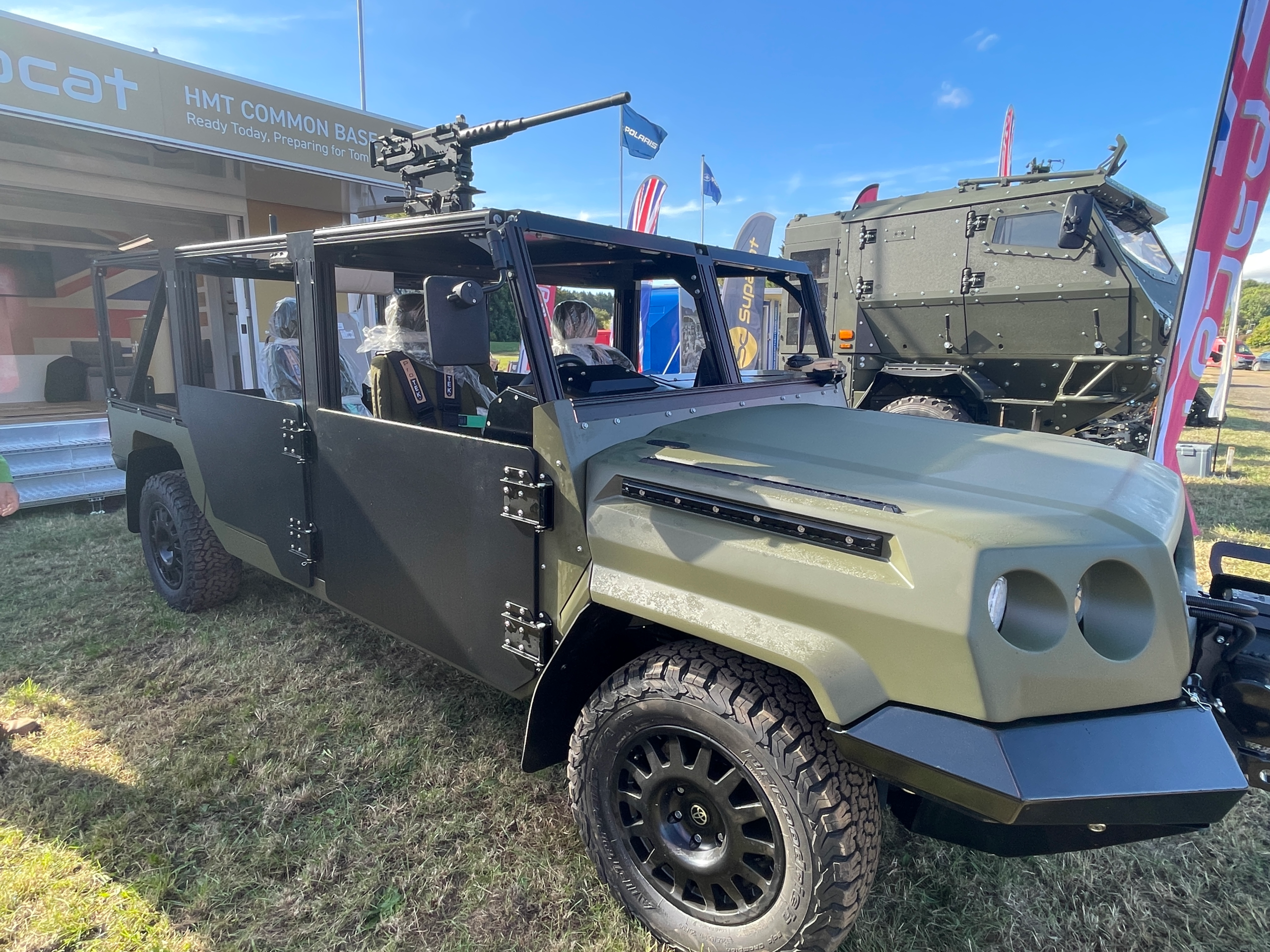
Supacat is offering platforms from its existing high-mobility vehicle family while working with KNDS on protected vehicle options. The partnership has previously centred on the Dingo 3 and Armoured Command and Liaison Vehicle variants for light and medium protected mobility roles, while Supacat’s own Light Mobility Vehicle and HMT family provide modular UK-designed options for tactical mobility and mission-system integration.
The requirement covers roles such as troop carriage, command, ambulance, recovery, ground-based air defence, and anti-armour missions. It also gives the Army an opportunity to reduce the number of vehicle types it has to maintain, train on, upgrade, and support.
Commonality and UK production
Supacat’s HMT Armoured Closed Cab is positioned around the Land Mobility Programme’s target of reducing the fleet to 15 core platform chassis types by 2030. It also emphasises common spare parts, mission-system integration, and reduced training and logistics burden.
A smaller set of modular chassis can simplify inventory, improve repairability, and make upgrades more predictable across protected mobility, air defence, recovery, and command variants. The programme is therefore as much about supportability as mobility.
Mission-system integration
Future mobility platforms will be judged as carriers for sensors, communications, weapons, and electronic systems, as well as vehicles. Payload, power availability, protection, digital architecture, and ease of re-role are becoming procurement discriminators.
The UK supply chain could gain work across chassis manufacture, armour, suspension, weapons mounts, electronic architecture, integration, and through-life support. Vehicle selection will decide the first phase, but production discipline will decide whether the Army avoids another fragmented support burden later.