IN Brief:
- The Skyhammer deal signals a new UK emphasis on lower-cost, scalable interception against mass drone threats, with first deliveries due in May and a contract package that extends beyond missiles into launchers, training, and support.
- DragonFire and wider Strategic Defence Review commitments show the UK is building a layered air-defence model, backed by up to £1 billion for homeland air and missile defence, £6 billion for munitions this Parliament, and at least six new energetics and munitions factories.
- The real industrial test is no longer whether cheaper interception is possible, but whether Britain can manufacture it at pace, sustain it through domestic supply chains, and integrate it into service before the next demand spike arrives.
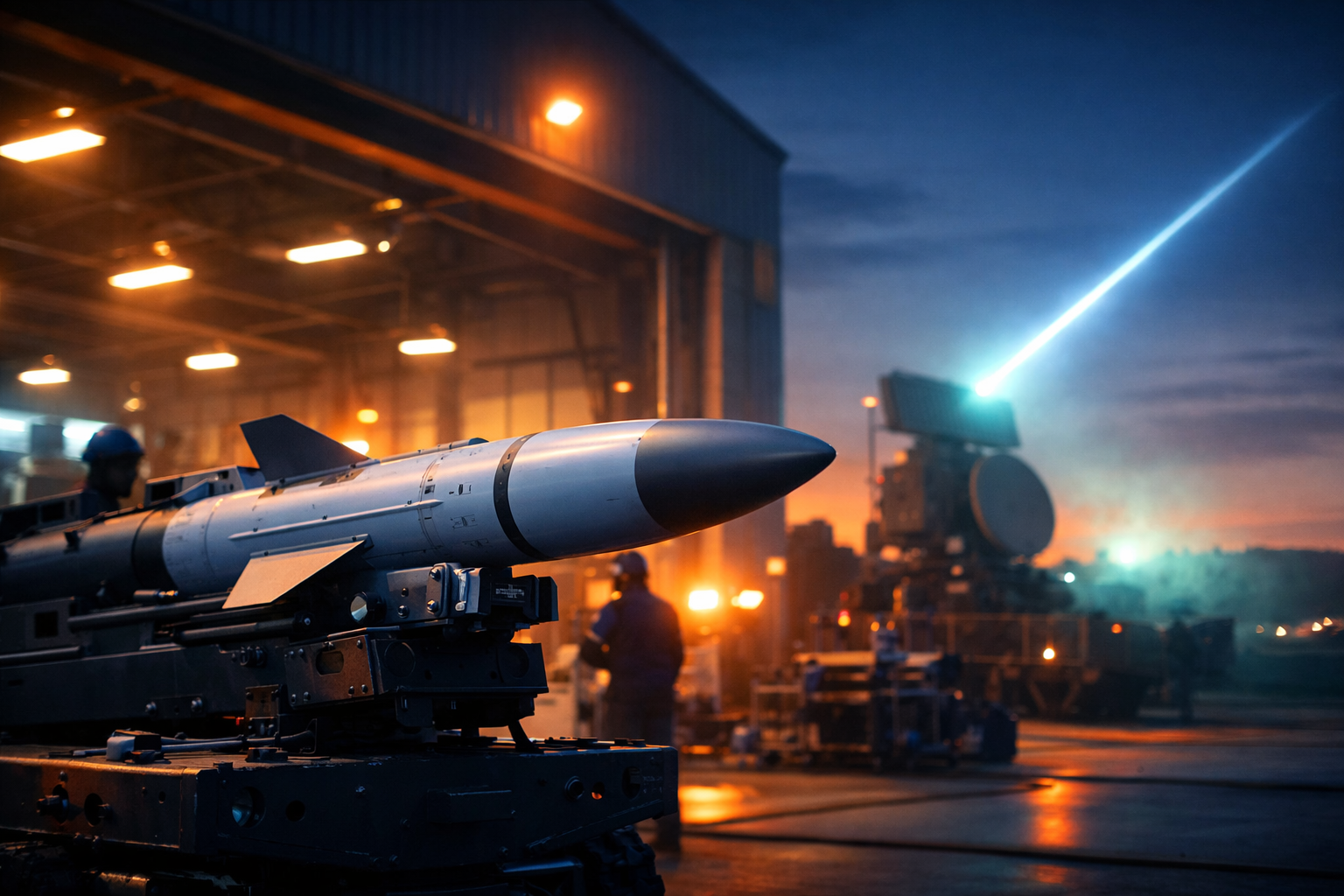
On 10 April, the Ministry of Defence said it intends to buy Cambridge Aerospace’s Skyhammer interceptor missiles and launchers for the UK armed forces and Gulf partners, with the first tranche due in May and further deliveries planned within the first six months of the agreement. Designed to counter Shahed-style attack drones, Skyhammer has a stated range of 30km and a maximum speed of 700km/h.
On one level, this is a straightforward procurement story: a British company wins business, a new weapon moves quickly towards service, and the contract supports jobs. On another, it points to something more consequential. Modern air defence is being reshaped by the fact that threats can now be produced cheaply, launched in volume, and used to force defenders into spending far more than the incoming target is worth.
The old prestige logic of air defence — fewer, exquisite effectors bought on long cycles — is still relevant at the top end, but it is no longer enough on its own. That is what makes Skyhammer more interesting than a single missile programme. The contract is not only about rounds and launchers. The MoD has said it is also set to include integration, technical support, and end-user training, which is a useful reminder that air defence is an industrial system before it becomes an operational one.
The economics of interception
If Britain wants lower-cost interception in meaningful numbers, it must build not only the effector, but also the surrounding machinery that allows it to be fielded, maintained, and absorbed into service at speed. Skyhammer arrives at a moment when the UK is putting more money and political weight behind the idea that air defence has to become cheaper to sustain, quicker to replenish, and more adaptable to different threat types.
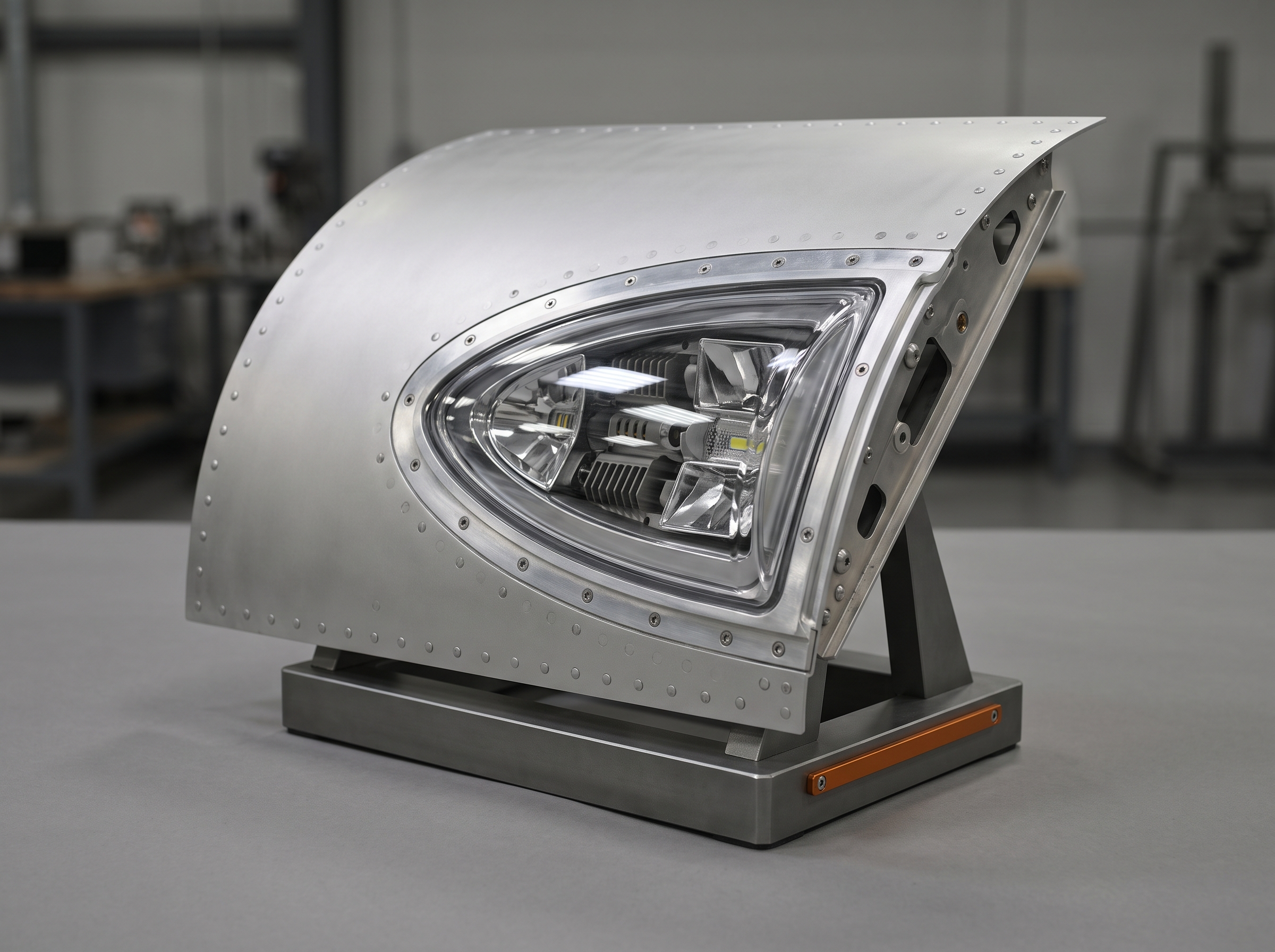
DragonFire, though a very different technology, belongs to the same argument. In November, the MoD confirmed a £316 million contract with MBDA to deliver DragonFire systems to the Royal Navy from 2027, backing nearly 600 skilled jobs. Recent trials at the Hebrides range involved drones flying up to 650km/h, and the department says the laser costs about £10 per shot. That does not make missiles redundant, nor does it turn directed energy into a universal answer, but it does underline how urgently the UK is searching for cheaper ways to deal with high-volume threats.
Seen together, Skyhammer and DragonFire suggest that Britain is moving towards a layered model of interception built around different cost points, response times, and manufacturing profiles. The Strategic Defence Review put money behind that shift, allocating up to £1 billion for homeland air and missile defence, more than £4 billion for autonomous systems this Parliament, and nearly £1 billion for directed-energy weapons. This is not simply a procurement adjustment. It is an attempt to align force structure with the economics of modern attack, where cheap mass and rapid iteration have become strategic facts rather than fringe complications.
That change matters for manufacturers because it alters what relevance now looks like in the defence market. The premium platform still matters, but so do launch-rate, replenishment speed, and the ability to scale production without waiting years for a full industrial reset. The MoD’s own language around Skyhammer reflects that urgency, framing the programme as a lesson drawn from Ukraine and the Middle East, and as an example of innovative British industry delivering at pace.
The same pressure runs through the UK’s wider drone and autonomy push. In February, the government said it would increase drone deliveries to Ukraine tenfold, from 10,000 in 2024 to 100,000 in 2025, backed by a £350 million package. Whatever else that says about the battlefield, it also says something blunt about industrial reality: volume now matters in ways that Western procurement systems have often struggled to accommodate.
The factories behind affordable mass
There is a harder truth sitting behind all of this. Cheap kills still require expensive industrial plumbing. Missiles, lasers, and autonomous air-defence systems may differ in how they generate effect, but none of them arrive in service through rhetoric alone. They depend on energetics, propellants, explosives, specialist electronics, test infrastructure, systems integration, secure supply chains, and enough sustained demand to justify keeping lines warm.
Britain’s policy response has started to recognise that. The Strategic Defence Review committed £6 billion to munitions this Parliament, including £1.5 billion for an “always on” pipeline and at least six new energetics and munitions factories in the UK. The MoD says those factories will create more than 1,000 skilled manufacturing jobs and that the wider package, including the procurement of up to 7,000 UK-built long-range weapons, will support around 1,800 jobs in total. Energetics rarely get headline treatment, yet they sit at the centre of whether sovereign capability means anything practical in a crisis.
If the UK cannot sustain domestic production of the critical inputs, low-cost interception remains dependent on fragile supply assumptions. The Defence Industrial Strategy pushes the same point in less dramatic language, calling for flexible capacity in key production lines, state-of-the-art UK-based energetics factories, and a steady drumbeat of investment that can scale up at speed if needed. It also places unusual emphasis on regular industry wargames and supply-chain resilience, which tells its own story about what officials now think the real vulnerability is.
The concern is no longer only whether Britain can invent clever systems. It is whether the country can surge the industrial base behind them when pressure moves from peacetime assumptions to wartime tempo. That makes Skyhammer an important test case, precisely because it comes from outside the traditional image of a major air-defence programme.
A British start-up can design a system around affordability and speed, and the MoD can move quickly enough to place it into a live procurement frame. The real challenge begins after that moment. Scaling any interceptor means qualifying supply chains, securing inputs, proving manufacturing consistency, opening access to test and evaluation, and ensuring the customer is buying something that can be supported over time rather than simply demonstrated in public.
The Strategic Defence Review itself acknowledges how much friction remains in that system. It called for a package of support that would cut the burden of Defence Standards and Conditions by at least 50 per cent, while also reforming rules around collaboration, intellectual property, security clearances, and access to data and test sites. That is dry material on paper, but it gets to the heart of whether Britain can translate urgency into output. Air-defence manufacturing is not being held back only by hardware. It is also constrained by the administrative architecture through which hardware has to pass.
The UK is, then, trying to do several things at once. It wants to grow a domestic ecosystem in which innovative companies can move from development to delivery more quickly. It wants primes and established suppliers to provide the scale, assurance, and integration depth that newer entrants often lack. It wants sovereign munitions and energetics capacity robust enough to support sustained demand. And it wants all of that to feed a layered defensive stack, from lower-cost interceptors to high-power lasers, without waiting for the strategic environment to become any more forgiving.
That is what makes the current moment more than a run of loosely related announcements. Skyhammer and DragonFire sit at different points on the technology ladder, but they are answers to the same industrial question. In an era of mass drone attack, air defence will be judged less by how impressive the brochure looks than by whether the magazines can be refilled, the systems sustained, and the next layer brought online before costs spiral out of control. Britain has begun to build towards that reality. The question now is whether it can manufacture it fast enough.