IN Brief:
- COAT-IPS is developing a heated coating for anti-icing and de-icing on aircraft surfaces.
- The system is designed for low energy use, direct application, and repair at the point of damage.
- The industrial opportunity sits in scalable coatings production, application methods, and dual-use aerospace maintenance.
COAT-IPS is developing a heated coating system intended to protect aircraft surfaces from ice formation while reducing the energy burden associated with conventional ice-protection methods. The project brings together OMAR Coatings, AIMPLAS, and Spain’s National Institute of Aerospace Technology, INTA, around a formulation designed to act as a technical paint and to operate in both anti-icing and de-icing modes.
The appeal of the concept is its simplicity at system level. Rather than relying on heavier auxiliary equipment or more intrusive architecture, the coating is being developed for direct application onto the aircraft surface, including geometries that are harder to treat with bulkier solutions. It is also being positioned as repairable in situ, a useful feature anywhere maintenance downtime, replacement cost, and line-service practicality matter.
The system is being developed with low energy consumption in mind, which gives it relevance as both civil and defence aerospace operators place tighter focus on efficiency, weight, and supportability. Any reduction in the penalties associated with anti-icing hardware can have direct implications for endurance, payload margin, and maintenance burden.
From formulation to aerospace application
The technical challenge is not just to make the coating heat. It has to do so evenly, efficiently, and repeatably under the aerodynamic, thermal, and environmental loads that aircraft surfaces experience in service. That places equal emphasis on materials engineering, surface preparation, application process control, and validation in representative conditions.
OMAR Coatings is pushing the formulation towards industrial viability, while AIMPLAS contributes the materials and polymer development base and INTA carries the aeronautical requirements and validation role. That is a useful structure for a programme of this kind, because coatings often succeed or fail at the point where laboratory performance has to survive real operating conditions and repeated repair cycles.
Why the project matters industrially
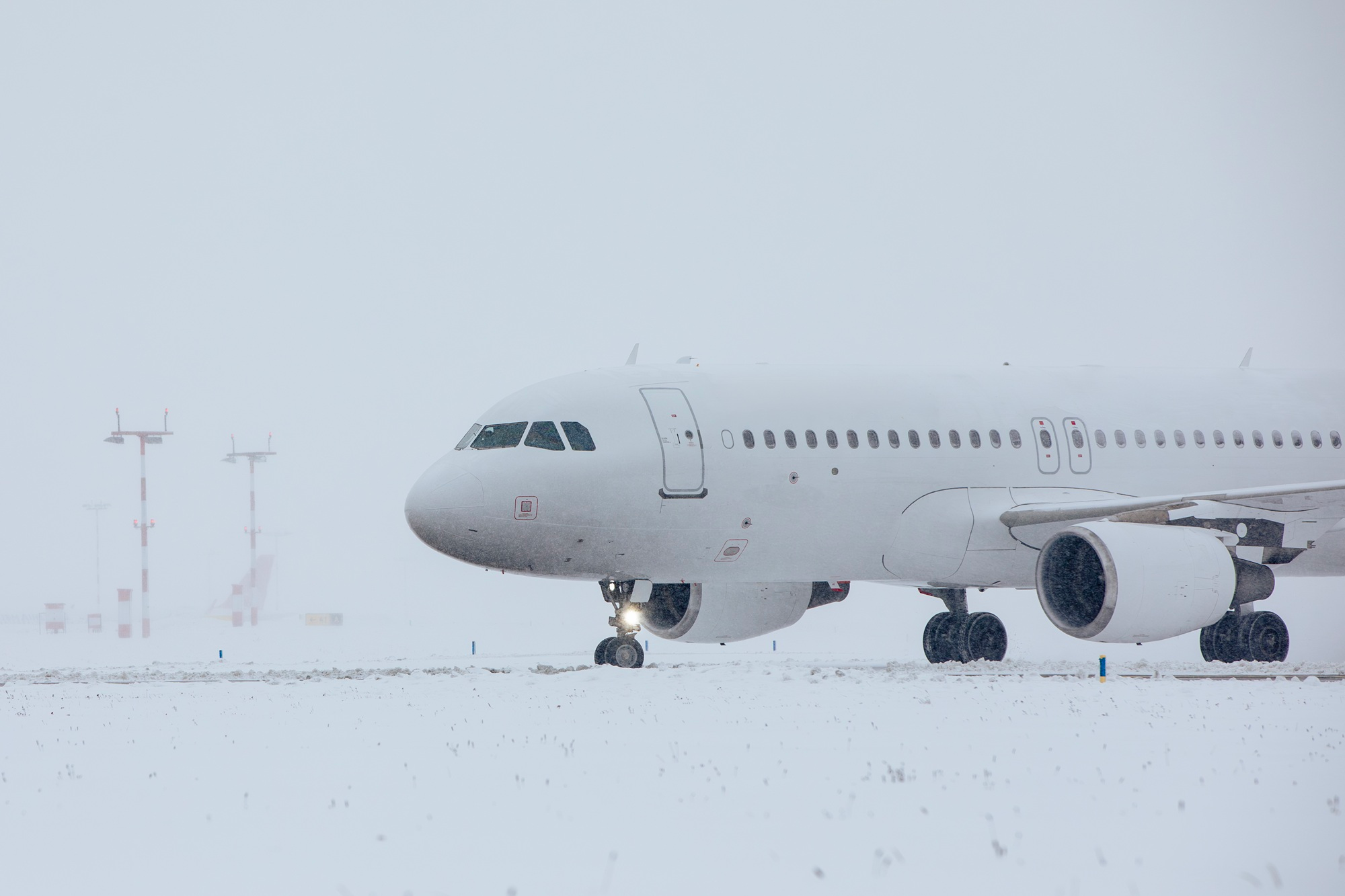
The defence relevance is clear enough. Ice accretion is a recurring issue for patrol aircraft, rotorcraft, transport fleets, and uncrewed systems operating in cold, wet, or high-latitude environments. A lighter, lower-energy, field-repairable protection layer would be of interest to manufacturers trying to protect endurance, availability, and support efficiency.
For aerospace suppliers more broadly, the project highlights a wider shift. More performance is now being engineered into materials and surfaces, pushing industrial value towards companies able to translate advanced formulations into producible, certifiable, and supportable aerospace hardware.