IN Brief:
- Wall Colmonoy has opened a new Vacuum Precision Investment Casting capability at Pontardawe.
- The investment supports high-integrity aerospace and defence component production.
- Complex castings, superalloys, inspection, and process control remain critical constraints in defence manufacturing.
Wall Colmonoy has opened a new Vacuum Precision Investment Casting capability at its Pontardawe site in South Wales, adding UK capacity for high-integrity aerospace and defence components as complex metal production becomes a visible constraint across the defence supply chain.
The investment has been developed through the EVaCC project, with support from UK defence innovation programmes and collaboration involving Rolls-Royce. Its purpose is to strengthen access to advanced casting capability for next-generation aerospace components and potential defence customers, particularly where high-temperature alloys, tight tolerances, and component integrity shape platform performance.
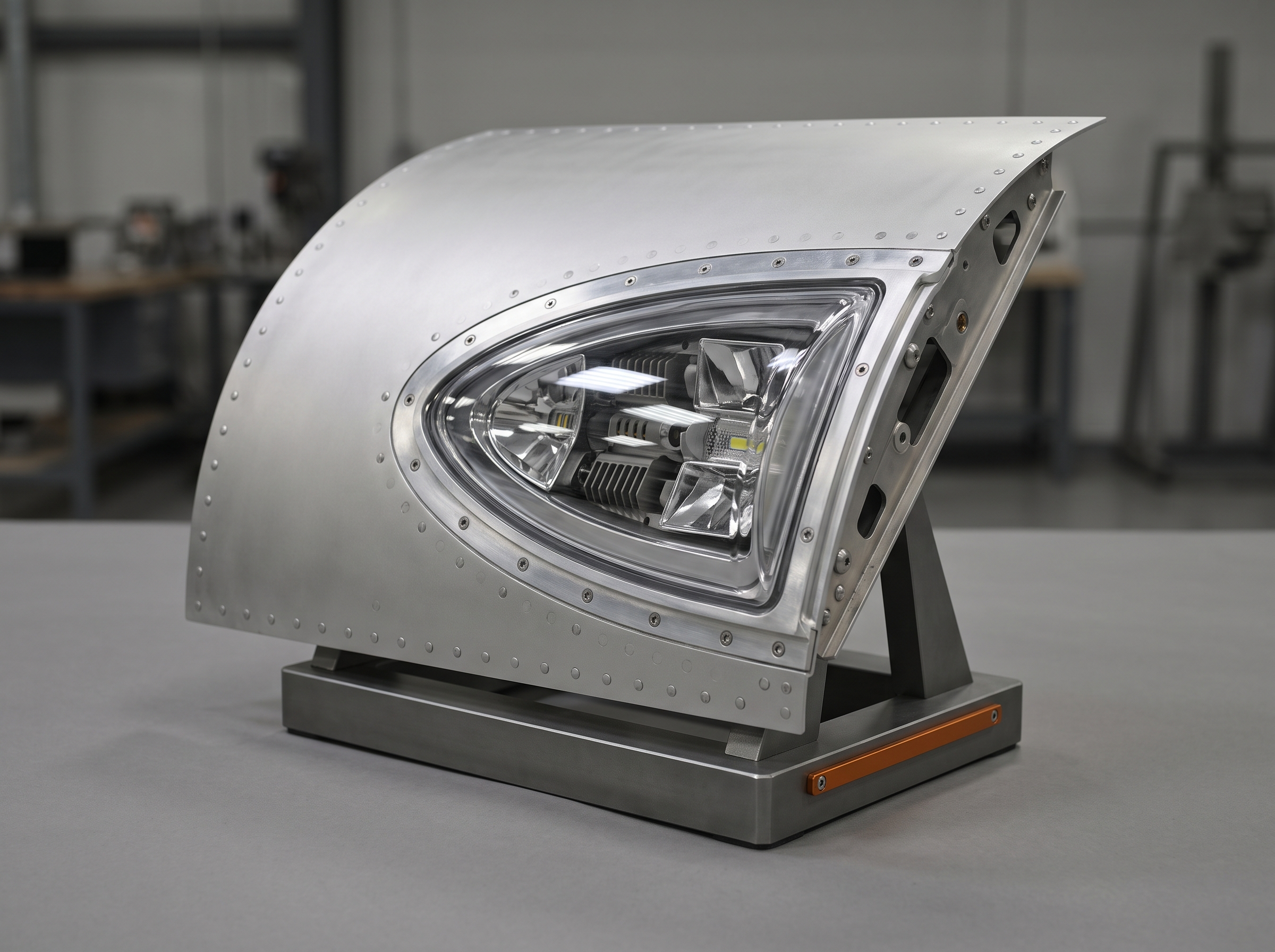
Precision casting rarely attracts the attention given to aircraft, missiles, ships, or armoured vehicles, but it sits underneath all of them. Engines, propulsion systems, pumps, housings, brackets, vanes, structural fittings, and other complex parts depend on metal processes that combine geometry, metallurgy, inspection discipline, and repeatability. In defence manufacturing, the ability to make a critical part domestically can become as valuable as the design of the platform that carries it.
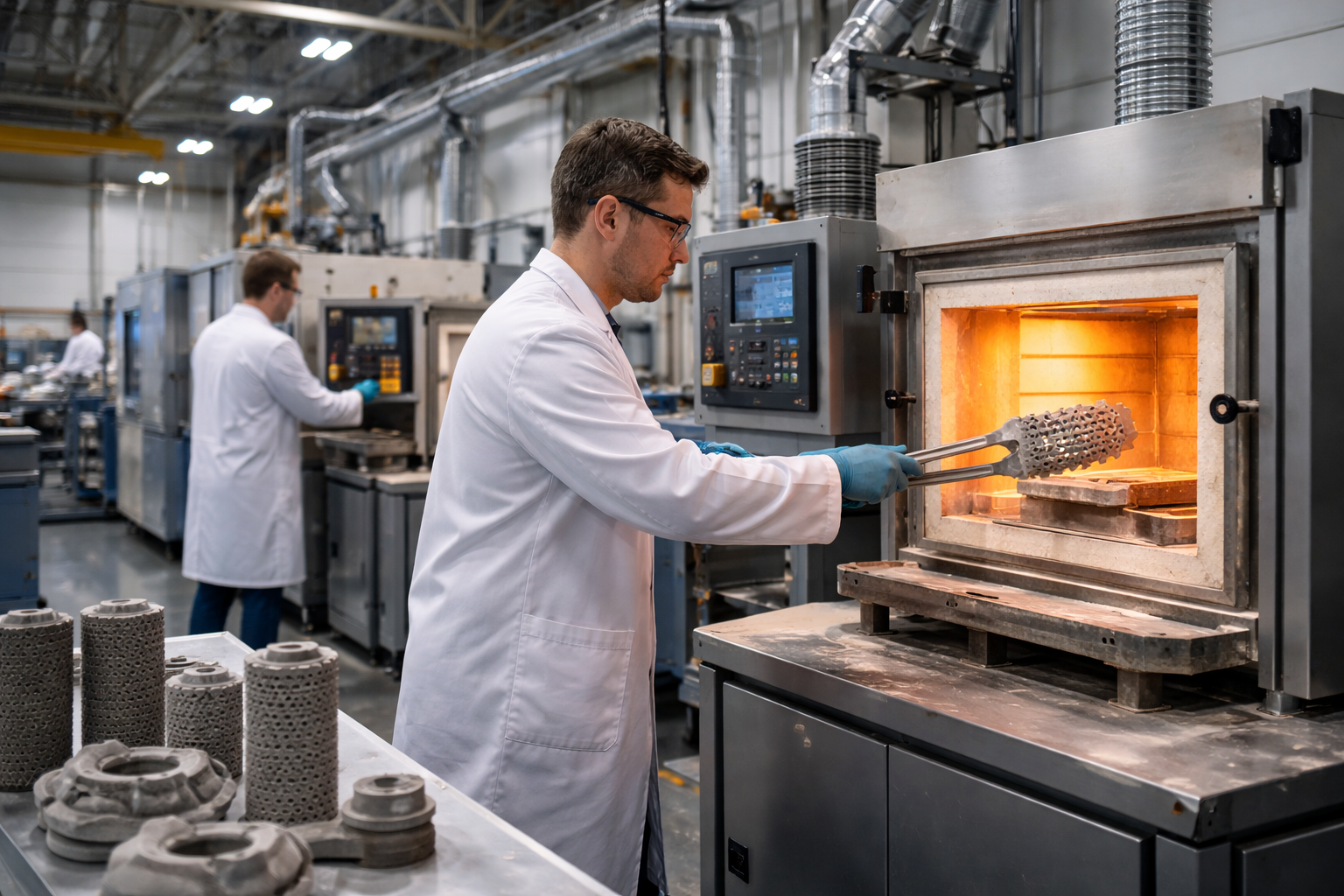
Vacuum precision investment casting is relevant where material purity and performance margins are narrow. Aerospace and defence components often use nickel-based superalloys or similarly demanding materials because they must survive heat, vibration, stress, corrosion, and long service lives. Producing those parts involves tooling, wax patterns, ceramic shells, controlled melting, vacuum environments, solidification control, finishing, non-destructive testing, and documentation.
The Pontardawe investment strengthens a very specific part of UK sovereign capability. Sovereignty is built through furnaces, tooling, inspection equipment, technicians, metallurgists, quality engineers, qualified suppliers, and production records. A country cannot accelerate aircraft, engines, missiles, or naval equipment if critical castings are trapped behind overseas dependency, long lead times, or competing commercial-aerospace demand.
The same bottleneck is visible in automated investment-casting work aimed at aerospace and defence supply. Casting capacity is not a peripheral issue. It can decide whether advanced engine and propulsion components move from design intent into certified production, especially when parts require unusual alloys, complex shapes, and rigorous inspection evidence.
The pressure is likely to intensify as aerospace and defence demand grow together. Engine manufacturers are balancing commercial recovery with defence requirements. Missile and propulsion suppliers are trying to increase output without compromising qualification standards. Smaller companies may need access to advanced casting without being crowded out by prime-led programmes. A domestic facility with high-integrity vacuum casting capability widens the range of suppliers that can participate in defence work.
The investment also supports skills retention in South Wales. Advanced casting requires operators and engineers who understand process windows, material behaviour, furnace control, defect prevention, and inspection feedback. Those skills are difficult to rebuild quickly once they leave the sector. Keeping them attached to UK industrial programmes gives the wider defence base more options when requirements change or imported capacity tightens.
Wall Colmonoy’s facility is not a platform announcement, but it addresses the manufacturing layer that platform programmes rely on. The next defence-production bottleneck may not be a final assembly line. It may be a shortage of qualified castings, heat-treated components, or high-integrity metal parts buried deep inside the system.