IN Brief:
- Romania is moving forward with Rafael’s SPYDER air-defence system under a seven-year framework valued at about €2bn.
- The programme covers SHORAD and VSHORAD systems, interceptors, radars, launchers, training, logistics, and industrial cooperation.
- The deal adds another European demand signal for layered air defence, counter-drone protection, and local sustainment capacity.
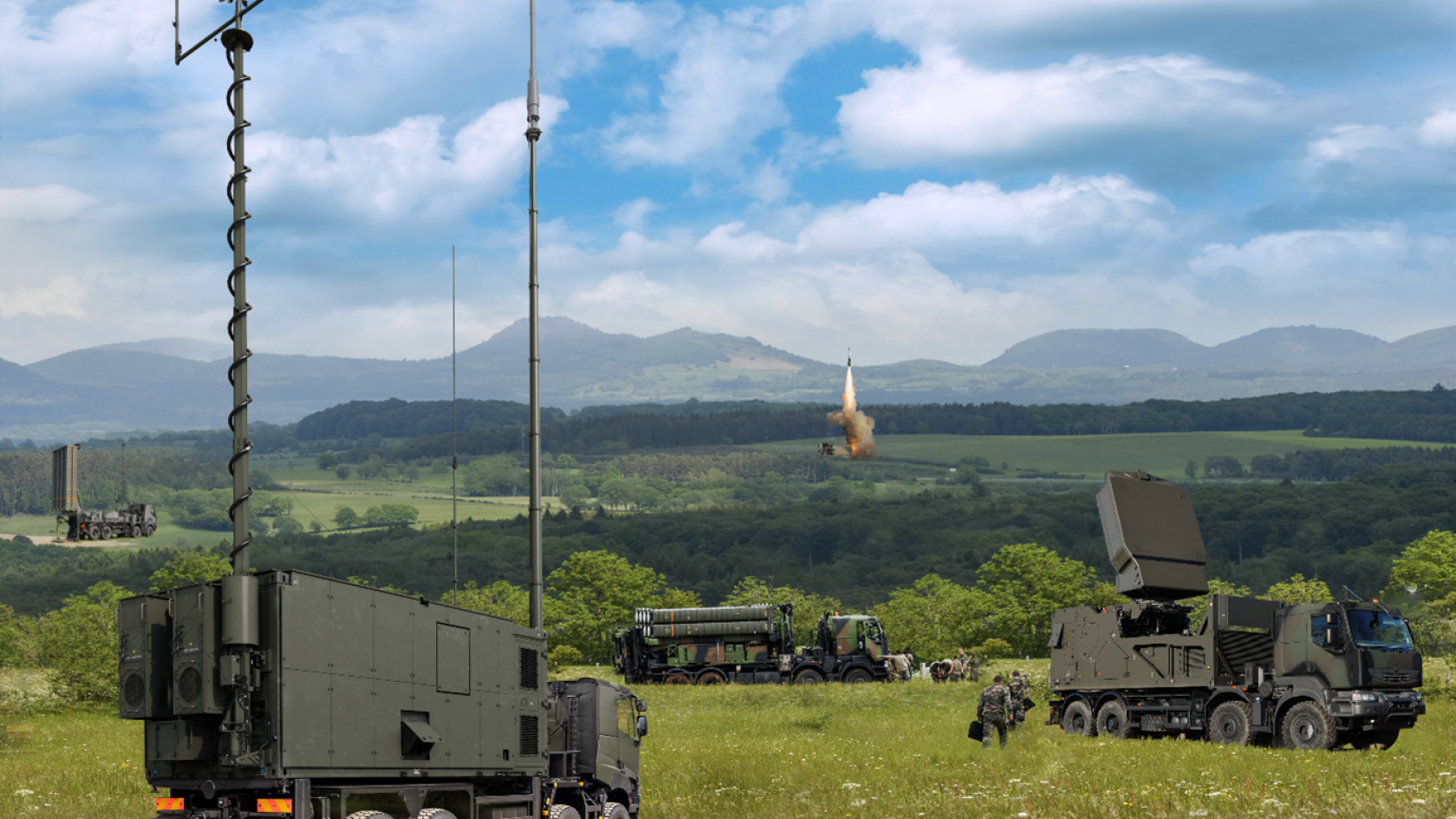
Romania is advancing a major SPYDER air-defence programme, adding a mobile short- and very-short-range layer to NATO’s southeastern flank.
The framework is valued at about €2bn and covers launchers, interceptors, radars, training, logistics, simulators, support, and industrial cooperation. The programme is structured across phased contracts for integrated SHORAD and VSHORAD systems, ammunition, training systems, and sustainment. Early systems are expected within three years of the first follow-on contract, giving Romania a route toward operational use before the full framework is complete.
SPYDER uses PYTHON-5 and DERBY/I-DERBY ER missiles adapted from air-to-air roles for ground launch. Depending on configuration, the family can cover short, very-short, medium, and longer-range air-defence requirements. Romania’s requirement reflects a threat environment in which drones, cruise missiles, helicopters, aircraft, and precision-guided weapons can arrive together, often at low or medium altitude.
The geography gives the programme weight. Romania faces the Black Sea, sits close to the war in Ukraine, and hosts infrastructure relevant to allied reinforcement, air operations, logistics, and regional deterrence. Layered air defence in this region protects ports, bases, command nodes, industrial sites, and manoeuvre forces against a mixed aerial threat set that has become central to modern conflict.
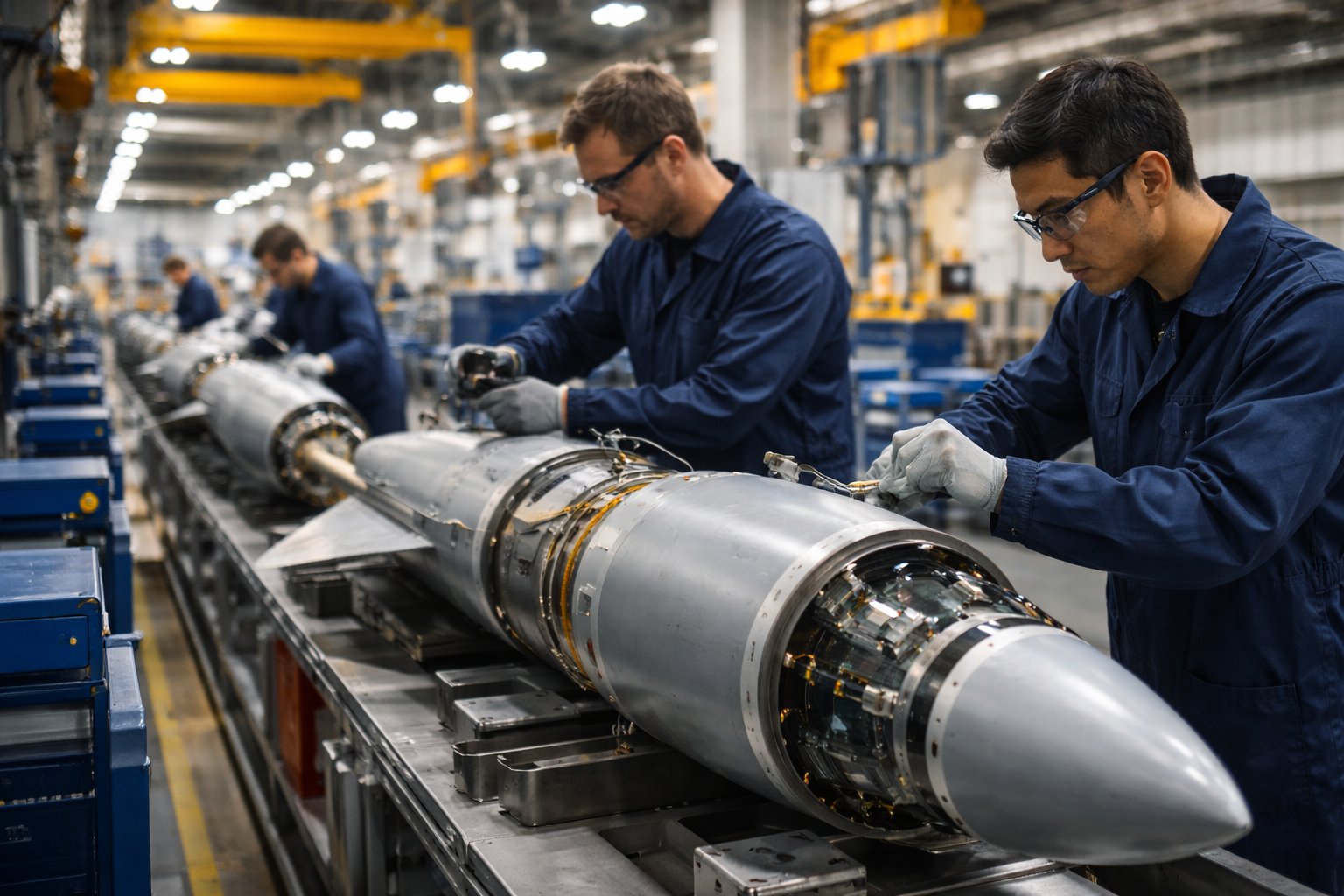
The industrial structure behind such a system is broad. A functioning air-defence unit requires missile canisters, launchers, radars, command-and-control equipment, secure communications, power generation, transport vehicles, reload systems, simulators, test sets, maintenance tools, spare parts, software updates, and trained crews. The interceptor is the visible item, but readiness depends on the full equipment and support chain.
A phased framework can help industry sequence production, training, and support, although it also requires strict configuration control. Each tranche must remain compatible with earlier deliveries, common enough for efficient training, and stable enough for logistics planning. Air-defence programmes can become expensive to sustain when national modifications, software baselines, and equipment variants proliferate without discipline.
Industrial cooperation will be watched closely in Romania. Local workshare could include vehicles, shelters, support equipment, maintenance facilities, training infrastructure, electronics support, software services, and depot-level sustainment. The long-term value of the programme will depend on whether Romania gains domestic support capacity or remains reliant on imported equipment and external repair loops.
The deal sits within a wider European air-defence rebuilding cycle. Estonia’s IRIS-T SLM fire-unit delivery and work around networked Baltic air defence show similar pressure in the north. Romania’s SPYDER programme brings the same production and integration challenge to the Black Sea, where layered protection is tied directly to NATO reinforcement routes and airspace security.
Counter-drone performance will be central to operational value. Very-short-range systems are increasingly judged by their ability to deal with small drones and low-cost aerial threats without consuming premium interceptors at an unsustainable rate. Missile-based systems offer speed, reach, and accuracy against demanding targets, but Romania will still need integration with guns, electronic warfare, passive sensors, and command systems to manage the cost-exchange problem.
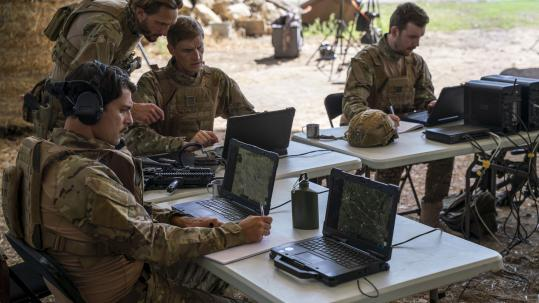
Networking will shape the system’s effectiveness. A radar must feed a command system, the command system must assign the correct effector, and the launcher must receive engagement data quickly and securely. Operators need a coherent air picture, especially in crowded airspace where friendly aircraft, drones, missiles, and civilian traffic may all appear. Cybersecurity, latency, datalink resilience, and human-machine interface design are part of the air-defence production task.
Missile supply remains a European pressure point. PYTHON and DERBY derivatives depend on seeker, propulsion, warhead, control, fuze, and electronics supply chains that are already exposed to strong global demand. Air-defence programmes across Europe are now competing for skilled labour, energetics, radar components, and precision electronics. Romania’s order adds capacity demand to a market already stretched by Ukraine-related replenishment and NATO stockpile goals.
Training and simulation are equally important. Air-defence crews cannot fire live missiles often enough to build all required proficiency. Simulators, threat libraries, maintenance trainers, evaluation systems, and after-action review tools allow operators and technicians to build skill without consuming scarce interceptors. Including training systems inside the framework supports readiness from the start rather than treating it as a later addition.
Romania’s SPYDER programme strengthens the Black Sea air-defence picture while exposing the industrial reality behind European rearmament. NATO needs interceptors, but it also needs radars, launchers, trained crews, depot capacity, spare parts, secure networks, and local maintainers. Hardware can be ordered quickly. A resilient air-defence ecosystem takes longer to build.