IN Brief:
- Germany is pressing the US for greater co-production of weapons including Tomahawk and Patriot PAC-3 missiles.
- The proposal aims to strengthen European missile capacity while keeping US industry and policy aligned with NATO rearmament.
- Any agreement would carry significant licensing, security, supplier, and production-rate challenges.
Germany is pressing for greater co-production of US weapons on German soil, placing missile manufacturing at the centre of NATO’s industrial politics.
The discussions cover long-range Tomahawk cruise missiles and Patriot PAC-3 interceptors, both of which sit inside tightly controlled US technology channels. Berlin wants to expand European access to critical weapons while using German industrial capacity to ease production bottlenecks and strengthen the transatlantic defence base.
Missile demand has moved faster than established production systems across NATO. Air-defence interceptors, long-range fires, rocket motors, guidance electronics, seekers, warheads, energetics, and canister systems are all under pressure as countries rebuild stockpiles, support Ukraine, and prepare for a broader deterrence posture. Higher defence budgets help, but money alone cannot create licensed production lines, qualified suppliers, cleared facilities, or assured access to sensitive design data.
Tomahawk and PAC-3 create different industrial problems. Tomahawk is a long-range strike weapon with political sensitivity and deep export-control constraints. PAC-3 is tied to high-end air and missile defence, where demand has expanded sharply as NATO countries reassess ballistic and cruise missile threats. Both weapons depend on components, software, and manufacturing processes that the US will treat as strategic assets rather than routine export items.
Germany offers scale, engineering capacity, and a strong manufacturing base, but co-production would require more than floor space and skilled labour. A credible model would need security-cleared facilities, trained personnel, export-control compliance, supplier qualification, test infrastructure, software control, configuration management, and acceptance processes that satisfy US authorities. The most valuable parts of missile production are also the parts governments protect most tightly.
The pressure to widen missile manufacturing has already appeared in other forms. Tomahawk structures have moved onto an additive production path through Divergent’s work on missile components, showing how the US industrial base is looking for faster and more flexible production methods. Germany’s proposal adds a different answer to the same constraint: allied capacity built through licensed European production.
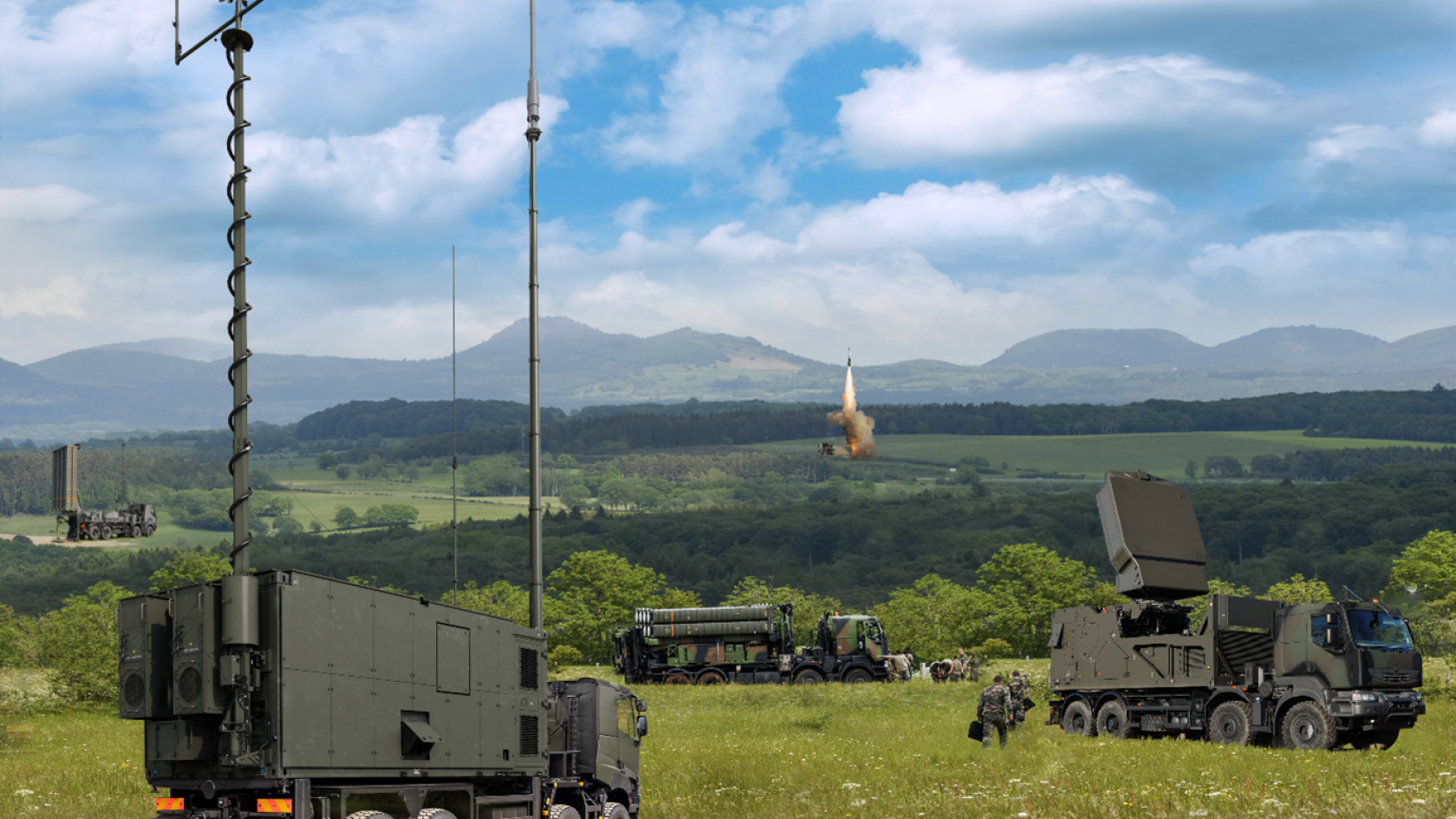
The European context is changing quickly. France is developing national rocket capacity, MBDA is working on European deep-strike concepts, and countries across the continent are seeking more long-range options. Air defence is following the same pattern, with Patriot, IRIS-T, SAMP/T, Arrow-3, and lower-cost counter-drone systems all competing for investment and industrial resources.
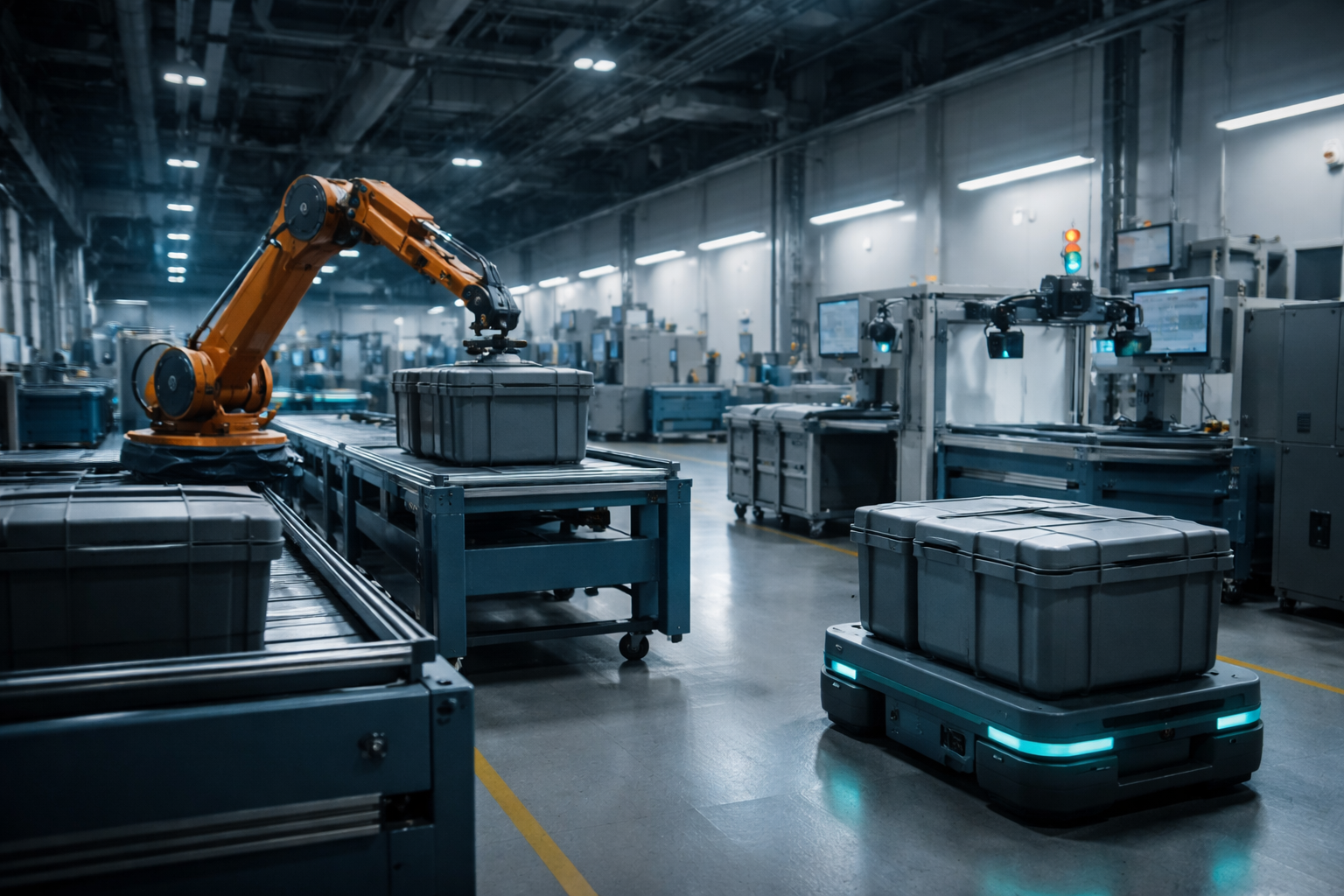
For German industry, the opportunity would be substantial. Rheinmetall, MBDA Deutschland, and the wider supply base bring relevant experience in munitions, vehicles, electronics, propulsion-related work, and precision manufacturing. Yet missile production is not automotive production with a military label. Explosive safety, traceability, classified software, seeker performance, propulsion consistency, and test acceptance leave little margin for production improvisation.
The political dimension may prove just as difficult as the technical one. US approval for high-end co-production depends on trust, technology protection, and congressional tolerance. European governments want greater autonomy, but the systems under discussion remain American. That tension will shape the negotiations, especially if Berlin wants more than final assembly or maintenance work.
A successful agreement could give NATO greater missile depth and a more resilient transatlantic production map. A limited agreement might still provide support capacity, assembly work, or selected component manufacturing. Failure would leave Europe facing the familiar problem of rising demand without matching access to production.
Germany’s talks reflect the new defence-industrial arithmetic. Deterrence now depends not only on what allies can buy, but where sensitive weapons can be built, who controls the design, and whether supply chains can sustain production beyond the first political announcement.