IN Brief:
- Tirupati Forge has received an Indian industrial licence covering empty artillery shell bodies from 105mm through 155mm.
- The approval includes several 155mm designs, including M107, L15A1, ERFB, Base Bleed, and Boat Tail variants.
- The company states initial annual capacity of 150,000 units, with pilot manufacturing planned for December 2026.
Tirupati Forge Limited has received an industrial licence under India’s Arms Act allowing it to manufacture empty artillery shell bodies across seven calibres from 105mm to 155mm.
The approval gives the Gujarat-based forging and precision-engineering company a formal route into ammunition manufacturing, with pilot production scheduled to begin in December 2026. Tirupati Forge states that the initial manufacturing capacity will be 150,000 units a year, although no customer order or contracted production volume has yet been disclosed.
The licence covers 105mm, 120mm, 122mm, 125mm, 130mm, 152mm, and 155mm shell bodies. Within the 155mm category, the company has identified HE M107, HE L15A1, Extended Range Full Bore, ERFB Base Bleed, and ERFB Boat Tail configurations.
Tirupati Forge is initially entering the supply chain at the empty-shell stage rather than announcing production of complete rounds. A finished artillery munition requires several additional elements, including energetic filling, fuzing, propellant, assembly, proof, inspection, and packaging. The new licence concerns the forged and machined metal body that passes into those later production stages.
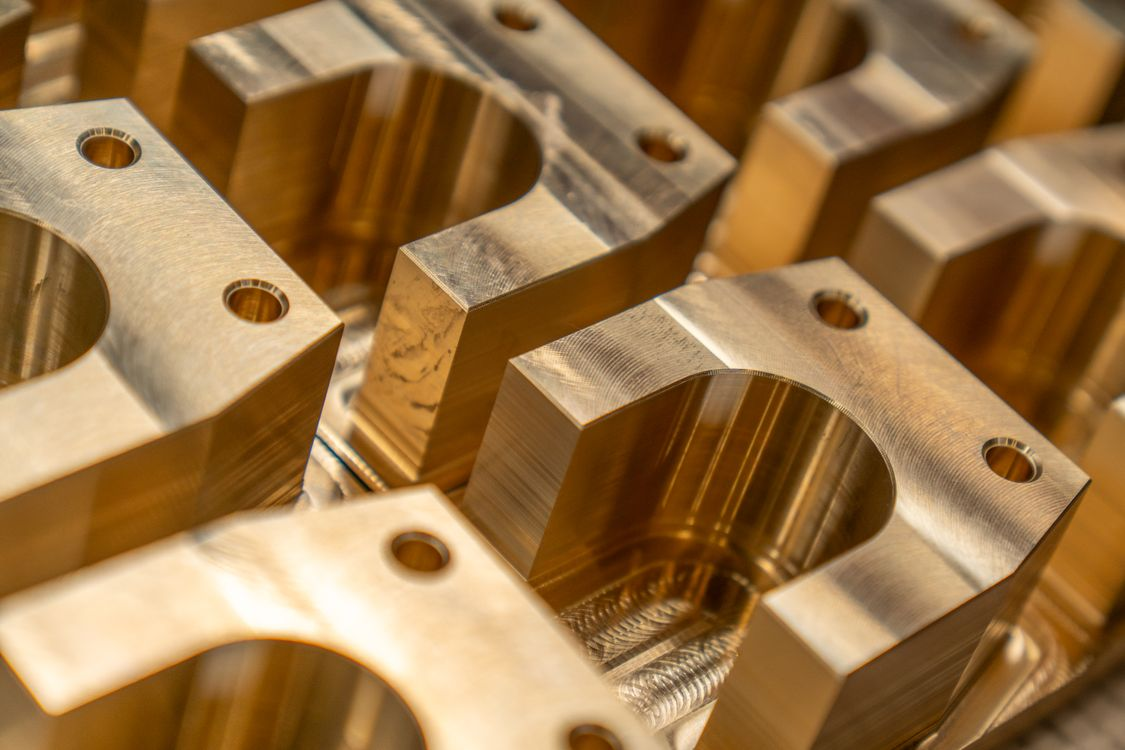
Manufacturing that component at scale remains a demanding industrial process. Shell bodies have to meet controlled material, dimensional, heat-treatment, machining, and surface requirements, while every production batch needs traceability and inspection appropriate to safety-critical defence equipment.
Tirupati Forge already operates forging and machining facilities supplying industrial and automotive customers. The company describes installed forging capacity of 15,000 tonnes per year across its existing business, supported by CNC machining and quality-assurance systems. That figure covers the wider operation rather than the new ammunition line and should not be conflated with the separately stated 150,000-unit shell-body capacity.
The move nevertheless gives the company an industrial base from which to develop defence production. Forging large quantities of repeatable steel components is close to its established manufacturing discipline, while ammunition work introduces a more tightly controlled regulatory and qualification environment.
The licence is therefore an enabling step rather than evidence that commercial output has started. Pilot production planned for December will have to be followed by the relevant trials, approvals, process qualification, and customer acceptance before the proposed capacity can translate into deliverable ammunition components.
No firm order was announced alongside the licence. The annual figure of 150,000 units represents Tirupati Forge’s stated initial capability, not confirmed demand, and the company has not broken that figure down by calibre or 155mm variant.
That distinction will determine how the manufacturing line develops. A plant configured around several calibres needs tooling, process settings, gauges, machining programmes, heat-treatment controls, and inspection routines for each product family. Orders concentrated on one high-volume shell can be organised differently from a mixed production schedule spanning several designs.
The 155mm approvals place Tirupati Forge in the part of the market receiving the greatest international attention, but the licence itself is broader. The seven listed calibres include ammunition used across several generations of artillery systems, giving the company the regulatory scope to pursue a wider customer base if it completes the necessary product qualifications.
India has been expanding private-sector participation in defence production while seeking additional domestic munitions capacity. Large ammunition programmes rely on a network of specialist companies rather than a single complete-round producer, with separate suppliers providing forged bodies, energetics, fuzes, propellants, packaging, and other components.
Additional shell-body capacity can strengthen that network only when it is integrated into qualified programmes. A licence and installed machinery do not by themselves establish reliable output; material supply, tool wear, production yields, non-destructive inspection, dimensional consistency, and downstream acceptance all determine how many usable bodies leave the line.
Tirupati Forge has also said it intends to pursue technology, manufacturing, and supply-chain partnerships with Indian and international organisations as the defence business develops. Such arrangements could support qualification and market access, although no specific partner was announced with the licence.
The December pilot run will therefore be the first meaningful production test. It should show how quickly the company can convert its existing forging capability into ammunition-specific processes, while later customer orders will establish which calibres form the core of the business.
Until those milestones are reached, the development remains clearly defined: Tirupati Forge now holds the regulatory approval required to manufacture empty artillery shell bodies across a broad calibre range and has set out a timetable for moving from licensing into pilot output. Firm orders, qualification results, and sustained production will determine the eventual contribution to India’s ammunition industrial base.