IN Brief:
- Kongsberg will supply PROTECTOR RS4 remote weapon stations with counter UAS capability for Dutch Joint Light Tactical Vehicles.
- The Oshkosh Defense Europe agreement places drone detection, tracking and defeat functions on a mobile tactical vehicle platform.
- PROTECTOR’s modular fire-control architecture can integrate radar, electro-optical sensors and different effectors around the RS4 weapon station.
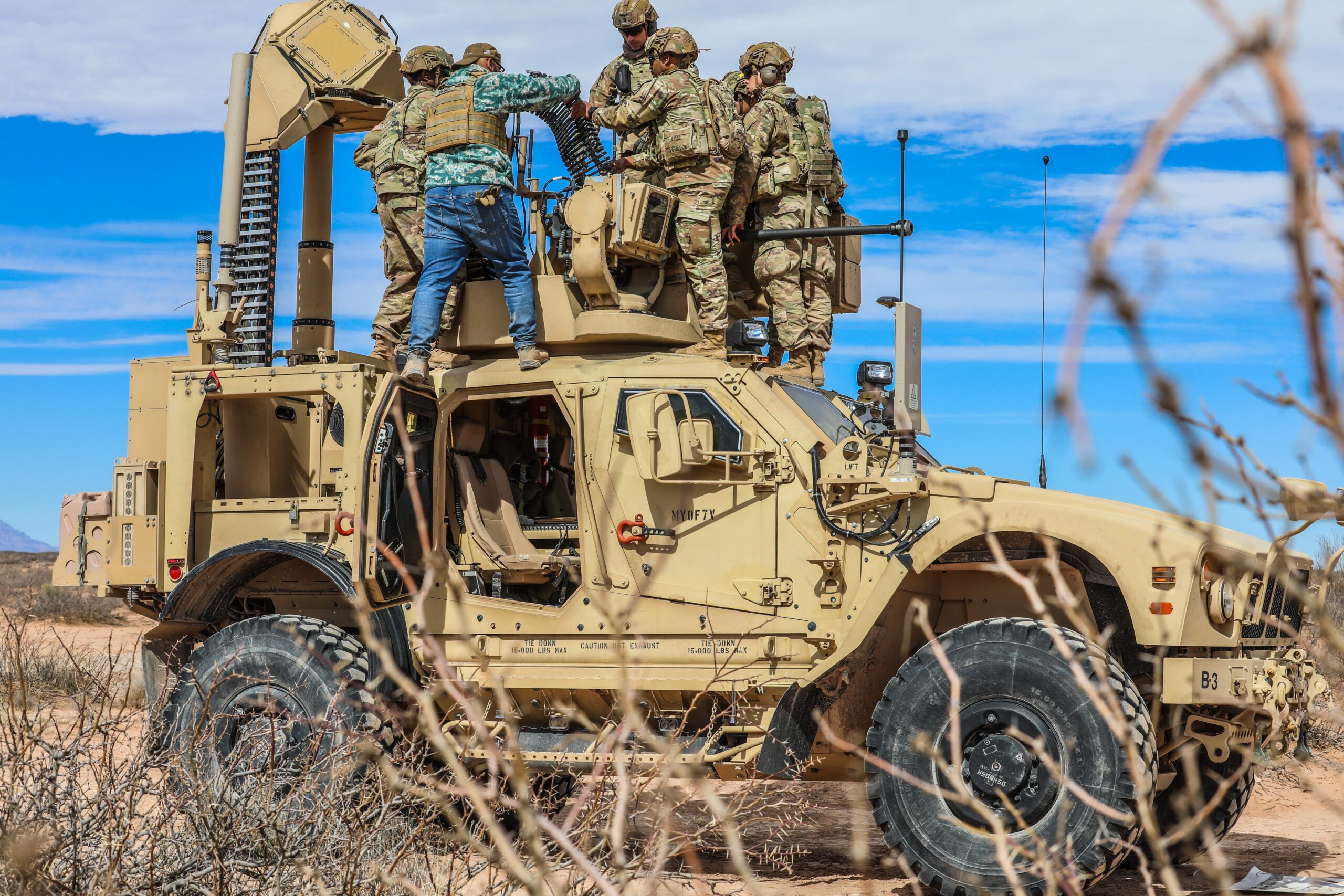
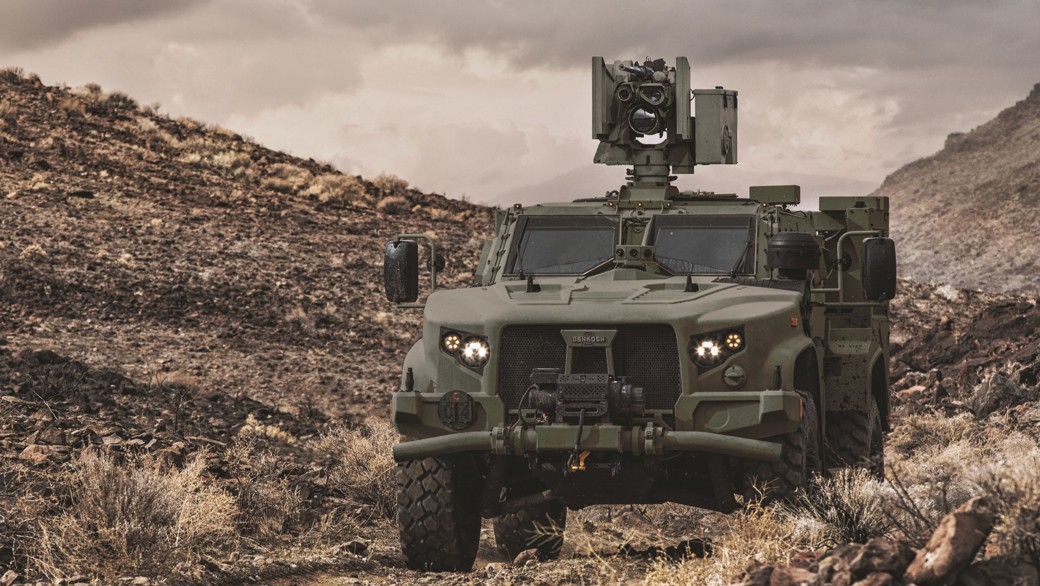
Kongsberg Defence & Aerospace will supply PROTECTOR RS4 remote weapon stations with counter UAS capability for Joint Light Tactical Vehicles destined for the Royal Netherlands Armed Forces.
The agreement with Oshkosh Defense Europe puts the counter-drone system onto a protected mobile platform rather than a fixed defensive site. Kongsberg has not disclosed the number of systems, contract value, delivery timetable or complete Dutch sensor and weapon configuration.
PROTECTOR RS4 is a modular remote weapon station able to mount weapons including 5.56mm, 7.62mm and 12.7mm machine guns and 40mm automatic grenade launchers, with additional options for missiles and coaxial weapons.
The station incorporates stabilised day cameras, thermal imaging and laser range finding. Its fire-control architecture can also connect with battlefield management systems and defensive equipment, allowing the weapon station to operate as one component within a wider vehicle sensor and command network.
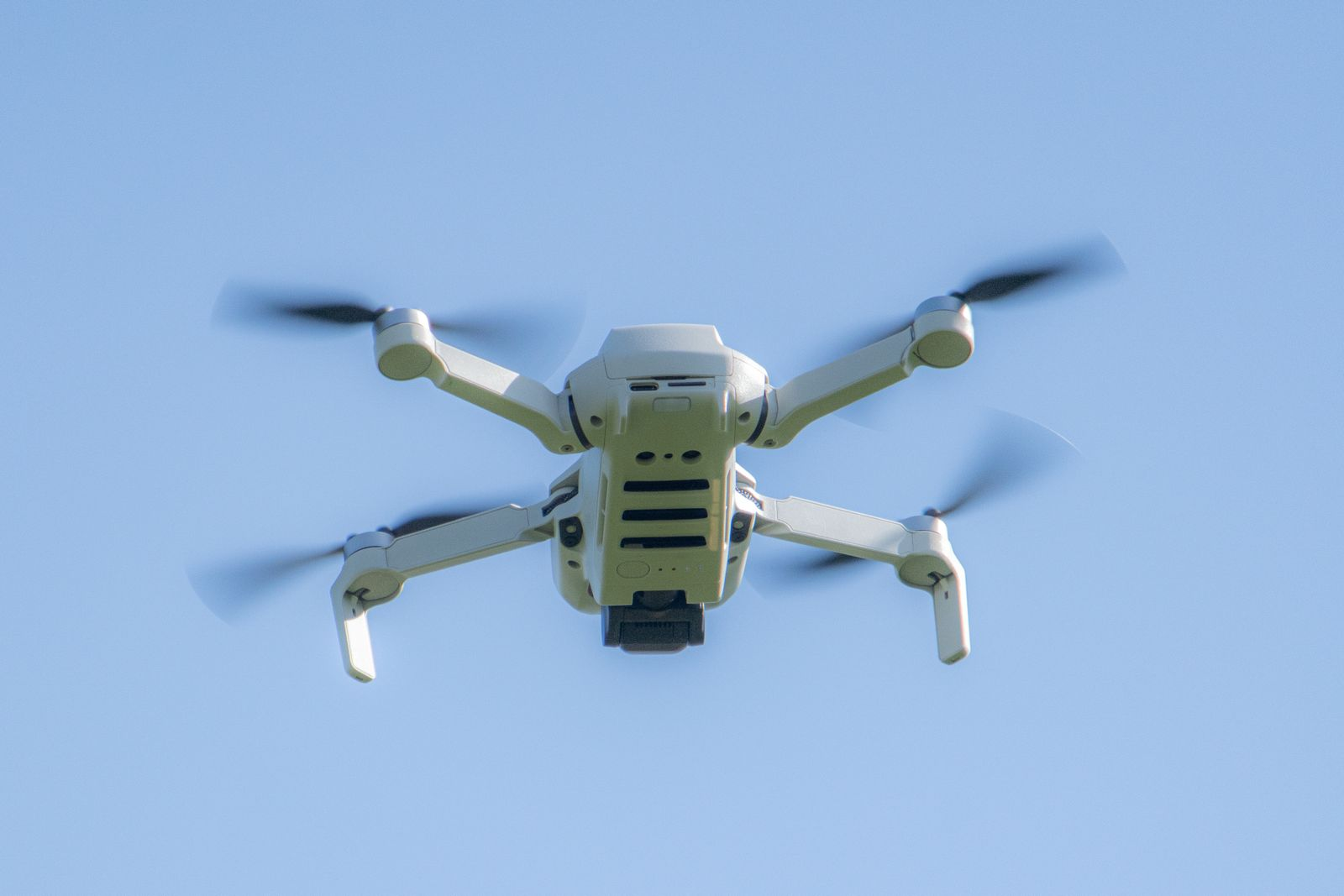
Counter UAS integration extends that architecture from conventional ground engagements towards small aerial targets. The complete system must detect a drone, establish and maintain a track, provide sufficient identification information and generate an accurate firing solution before the operator can engage.
Those functions are demanding because small drones can present limited radar, thermal and visual signatures while operating close to terrain, buildings, vegetation and friendly vehicles. Target speed can also change rapidly between hovering, manoeuvring and direct attack profiles.
Kongsberg’s PROTECTOR architecture supports integration of radar and other sensors into the fire-control system. That allows external detection equipment to cue the weapon station before its own electro-optical sensors take over the final tracking and engagement process.
The company has already expanded PROTECTOR counter UAS through several parallel integration programmes. Radar, navigation systems, software and different effectors can be combined around a common weapon station, giving customers a route to tailor the final configuration without creating an entirely new turret for each requirement.
The Dutch system will be installed on Oshkosh Joint Light Tactical Vehicles. JLTV provides protected mobility and an electronic architecture designed to accept mission equipment, but adding a counter UAS suite still introduces requirements for electrical power, structural mounting, data integration, communications and crew interfaces.
Vehicle integration must also preserve mobility and protection. Sensors require useful fields of view, while additional equipment changes vehicle mass, centre of gravity and power demand. Cables and electronics have to remain protected without obstructing maintenance access to the vehicle itself.
Mobile counter UAS systems address a different requirement from static protection around airfields, headquarters or fixed infrastructure. A vehicle mounted system can accompany manoeuvre formations, logistics units or other mobile assets whose protection requirement changes as they move.
Mobility also complicates sensing. The system may have to operate while the host vehicle is repositioning, surrounded by other vehicles or working in cluttered terrain. Stabilisation, navigation information and accurate alignment between radar, optical sensors and the weapon station therefore become important to maintaining engagement quality.
The Netherlands is simultaneously developing several layers of air defence, allowing mobile counter UAS equipment to sit below longer-range missile systems. Small drones do not necessarily justify expenditure of an interceptor designed for aircraft or cruise missiles, particularly when attacks involve multiple low-cost vehicles.
Gun based defeat provides one alternative where accurate tracking allows sufficient probability of hit without the cost associated with a guided missile. Electronic attack and other non-kinetic systems can provide additional layers, although drones operating autonomously or with resilient communications may reduce the effectiveness of approaches dependent on disrupting a control link.
A layered system therefore benefits from several sensing and defeat options rather than one universal effector. PROTECTOR gives the Dutch programme a kinetic component mounted on the same type of tactical vehicle used to move personnel and equipment with manoeuvre forces.
The contract does not yet establish how many JLTVs will receive the system or which radar and weapon combination the Netherlands has selected. Those details will determine magazine depth, engagement range, sensor coverage and the amount of support equipment required by deployed units.
Delivery and qualification will also have to demonstrate that the complete system functions as one vehicle capability rather than a collection of individual products. Radar tracks, optical sensing, fire-control software, weapon operation and vehicle navigation must remain aligned closely enough to engage a small moving target under field conditions.
The Oshkosh agreement gives the Netherlands a defined route to that capability using an established vehicle and weapon station. The next programme milestones will be configuration disclosure, integration testing and evidence that the mobile system can repeat the detect, track and defeat sequence across realistic operating conditions.