IN Brief:
- The engineering office is located at GoodWorks GCC Nexus in Bengaluru and is Shield’s second location in India.
- Engineers will work on Hivemind autonomy software, simulation, flight systems integration and testing.
- Shield has not disclosed staffing numbers or specified new platform production contracts linked to the facility.
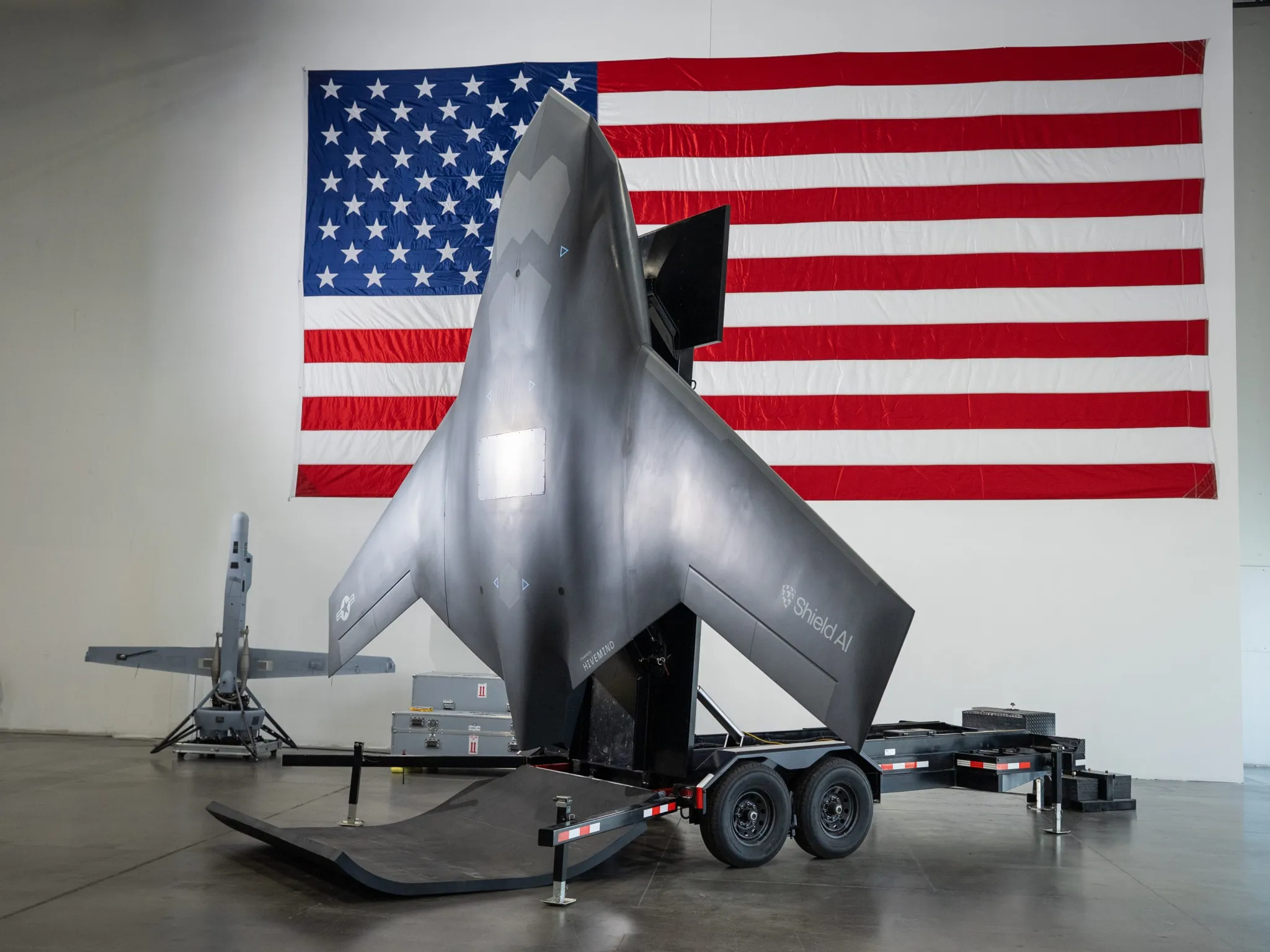
Shield has opened a defence autonomy engineering office in Bengaluru, expanding its Indian presence with a team dedicated to software development, simulation, systems integration and testing. The new operation is based at GoodWorks GCC Nexus and will work on Hivemind, the company’s autonomy platform, for aircraft and other defence systems intended for Indian users and manufacturers. Shield has not disclosed the headcount, investment value or timetable for expanding the team.
The Bengaluru site is Shield’s second Indian office. Its New Delhi operation, opened in April 2026, handles engagement with the Ministry of Defence, the armed forces and local industry. The division of responsibilities gives the company an engineering base alongside its existing customer and partnership work. Recruitment will focus on autonomy engineering, flight software, simulation, systems integration, and test and evaluation, disciplines required to adapt software to the characteristics of individual platforms.
Hivemind combines an autonomy development environment with software that can operate aboard an aircraft or other vehicle. Shield describes functions including route planning, mission management and communications between aircraft. Instead of building every element of a mission system separately, an integrator can work with that software foundation while adding platform-specific sensors, models and mission functions. The company says Hivemind has been used to pilot more than 40 platform types, spanning crewed aircraft, uncrewed vehicles and a satellite.
Reusing the Hivemind software foundation still requires platform-specific integration. Flight control architecture, available computing resources, sensor inputs and communications links determine which autonomy functions an aircraft can support and how those functions must be tested. An uncrewed fixed-wing aircraft may need different guidance interfaces and control limits from a helicopter or ground vehicle. Engineers in Bengaluru will work within these hardware and mission constraints rather than relying on a single, unchanged installation across different types.
Simulation offers a controlled route for developing and assessing these integrations before flight. Engineers can vary environmental conditions, vehicle behaviour, sensor availability and communications performance, then examine whether the software responds within specified limits. Results depend on how accurately the simulated environment represents the actual equipment. A model that does not reproduce a vehicle’s dynamics or a sensor’s limitations can support useful development work without establishing operational performance.
Moving from simulated activity to real platforms introduces further engineering obligations. Software must exchange information reliably with flight controllers and mission computers, while faults or missing inputs have to be handled according to the system’s approved operating concept. Timing is also important: a navigation or control decision that arrives too late may be unusable even when the underlying calculation is correct. Verification must therefore cover interfaces, processing delays, degraded modes and the conditions under which an operator can intervene.
The Bengaluru team will develop and test autonomy software for Indian aircraft and defence systems, according to Shield’s stated remit. It has not identified a particular aircraft integration assigned to the office, nor announced local manufacture of Hivemind hardware there. Recruitment is directed towards engineers able to move software through simulation, platform integration and evaluation, although the eventual division of work among Indian programmes has not been published.
The Indian Army selected V-BAT uncrewed aircraft and Hivemind software licences in January 2026. That award established a customer programme and included access to a software development kit for selected Indian partners. It does not establish that the newly opened Bengaluru office has been assigned specific V-BAT deliverables; a procurement award, a software licence and the responsibilities of a separate engineering centre must be distinguished in programme reporting.
India’s Army Land Warfare Doctrine 2026, introduced in October, placed additional emphasis on artificial intelligence and autonomous systems. The domestic engineering work envisaged by Shield sits within that policy direction, but dependable defence autonomy requires platform safety assurance, secure interfaces, configuration records and a documented route through testing before equipment enters operational service. Those requirements are distinct from the capacity to recruit software developers.
Working alongside Indian aircraft manufacturers and subsystem suppliers could allow mission interfaces, computing constraints and test plans to be addressed earlier in design. The announcement, however, identifies no new partner contracts, intellectual property arrangements or decisions on source-code access and final design authority. Such matters would have to be settled under individual programmes rather than inferred from the presence of a local engineering team.
Long-term support will depend on keeping autonomy software aligned with the platforms carrying it. Updated sensor configurations, flight-control firmware and communications equipment can introduce changes that require regression testing. Configuration management is especially demanding when multiple aircraft versions or mission packages share a common software base. A dedicated engineering operation can provide continuity across those revisions, but the company has not published specific sustainment responsibilities for Bengaluru.
The new office is operating at GoodWorks GCC Nexus, with recruitment planned across autonomy, flight software, simulation and integration. Staffing levels, programme assignments and the timetable for completing the team remain undisclosed. Subsequent platform trials or software qualification work will establish how much engineering responsibility is actually exercised in Bengaluru, beyond the opening of a second Indian office.