
Land
-

Hanwha and Lockheed Martin UK have reconfigured Redback for counter-UAS. The demonstrator combines 40mm firepower, SkyKeeper C2 and modular digital integration.
-
Babcock and Ark Robotics are exploring UK manufacture of UGVs. The agreement spans autonomy, integration, training, logistics and through-life support.
-
Britain has commissioned studies for beyond-line-of-sight anti-armour weapon technology development. MBDA and Thales will explore options for restoring a long-absent Army capability.
-
Rheinmetall is expanding Quebec capacity for autonomous ground systems production. The project adds 7,060m² across manufacturing and warehousing at Saint-Jean-sur-Richelieu.
-
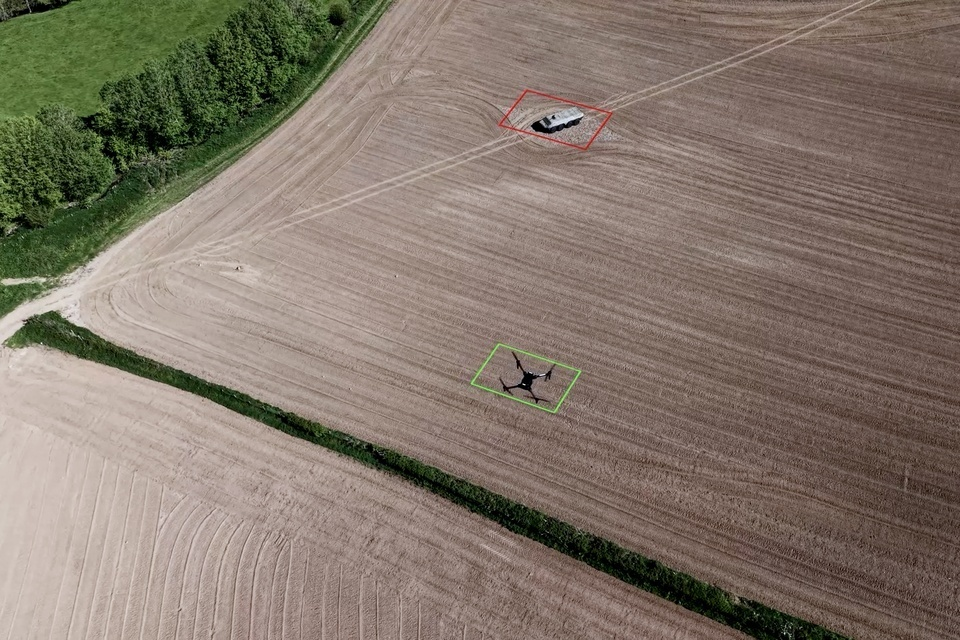
British Army trials have moved autonomous drone swarms towards deployment. An eight-aircraft test bed is supporting further experimentation and procurement decisions.
-

Indra has unveiled SQUALL as a low-cost cruise missile system. The Spanish design targets ranges beyond 300km and land or naval integration.
-
British Army units are receiving more than one thousand drones. The £16 million package combines frontline ISR systems with dedicated training aircraft.
-
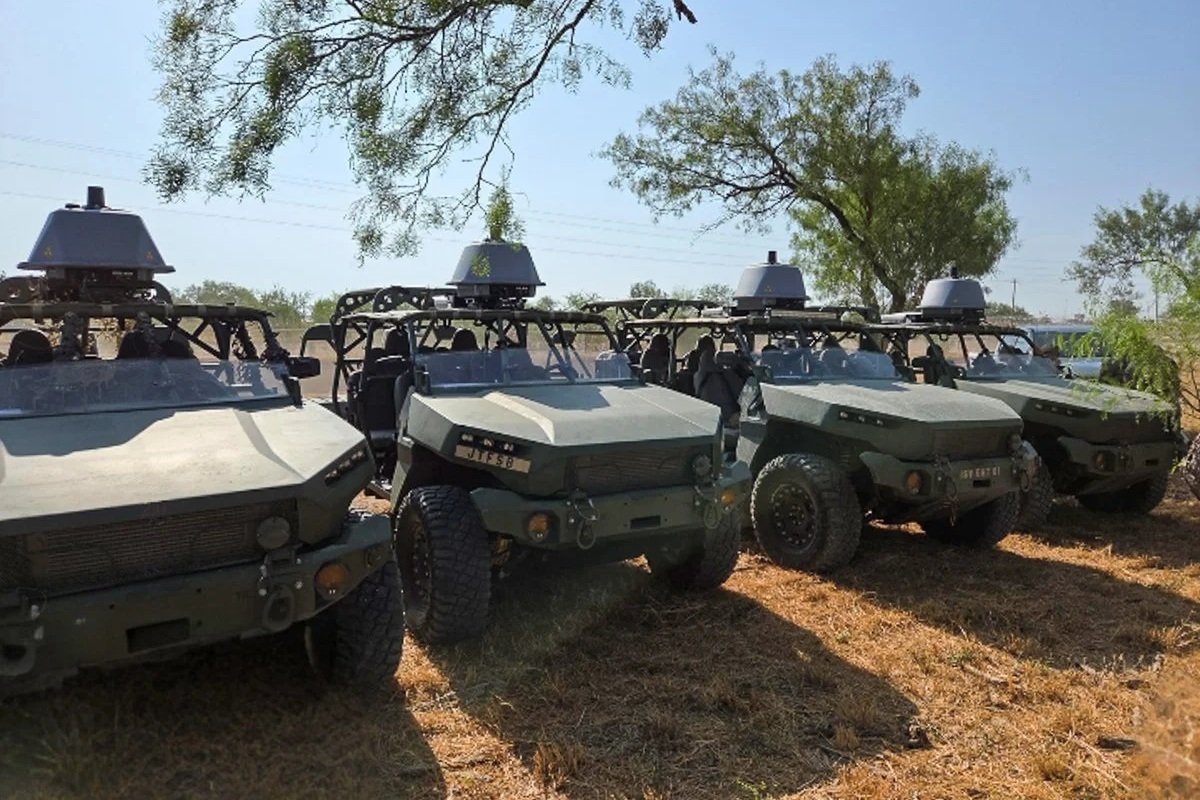
DroneShield has brought vehicle-mounted DroneSentry-X Mk2 systems rapidly into service. Installation, live-UAS acceptance testing, and operator training have now finished.
-
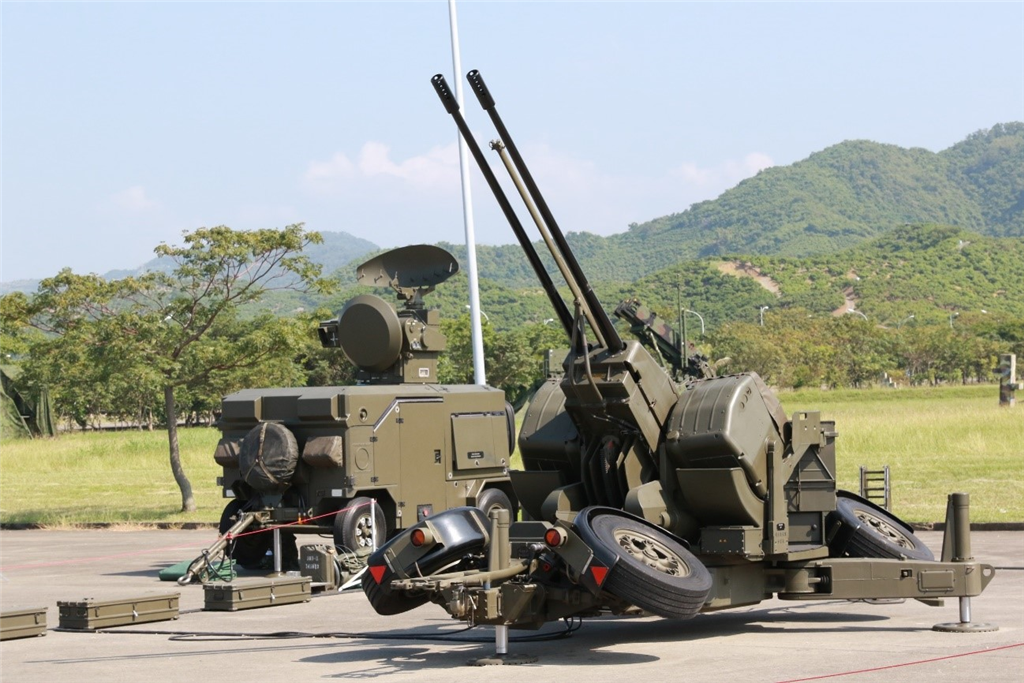
Taiwan has awarded Rheinmetall a major 35mm training ammunition contract. The NT$1.65 billion order supports Air Force gun-based air defence through June 2028.
-
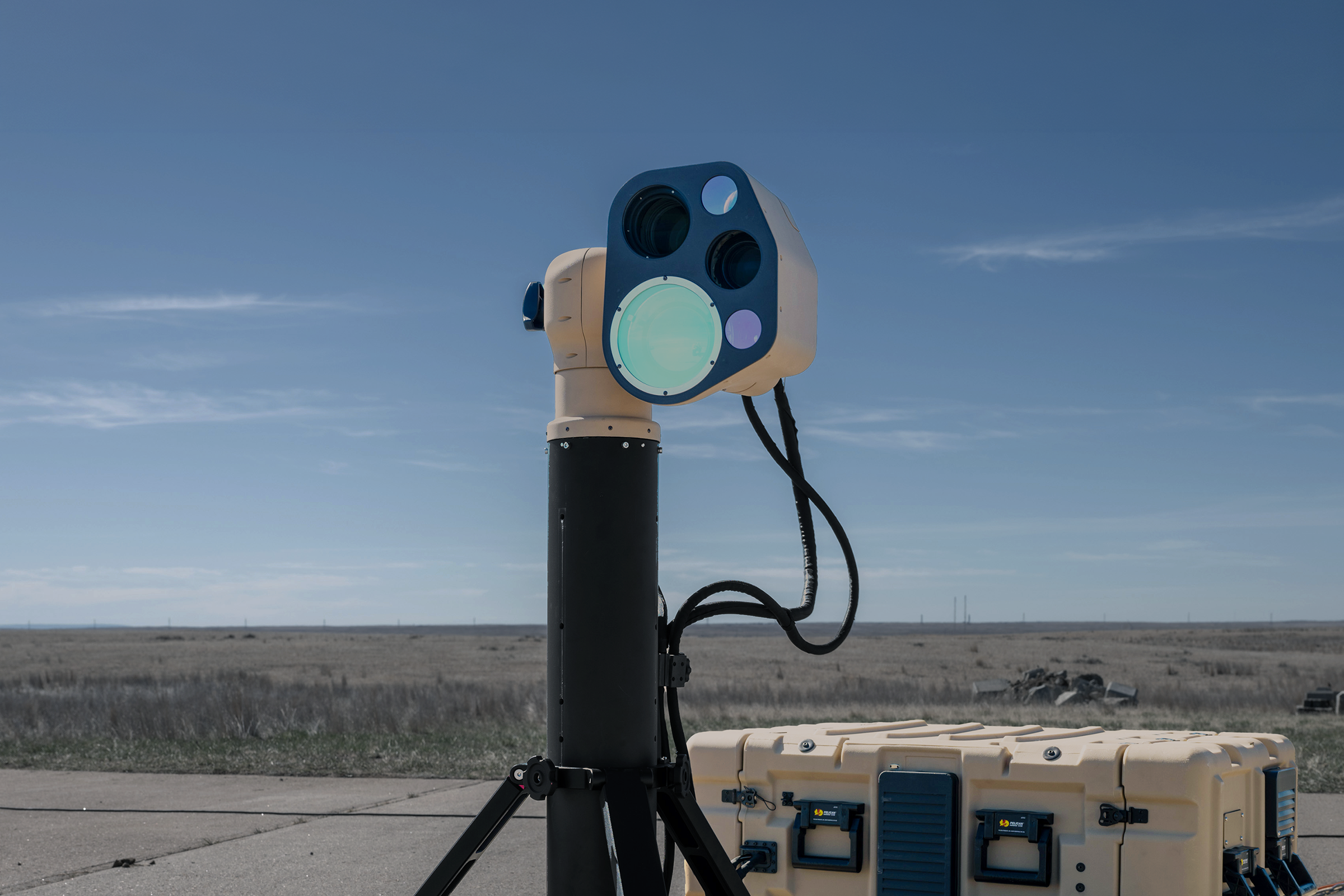
DroneShield is integrating AIM Defence’s Fractl laser into DroneSentry architecture. The collaboration adds a directed-energy hard-kill option to an open counter-UAS system already combining RF sensing, electronic warfare, sensor fusion, and command-and-control.