
Land
-
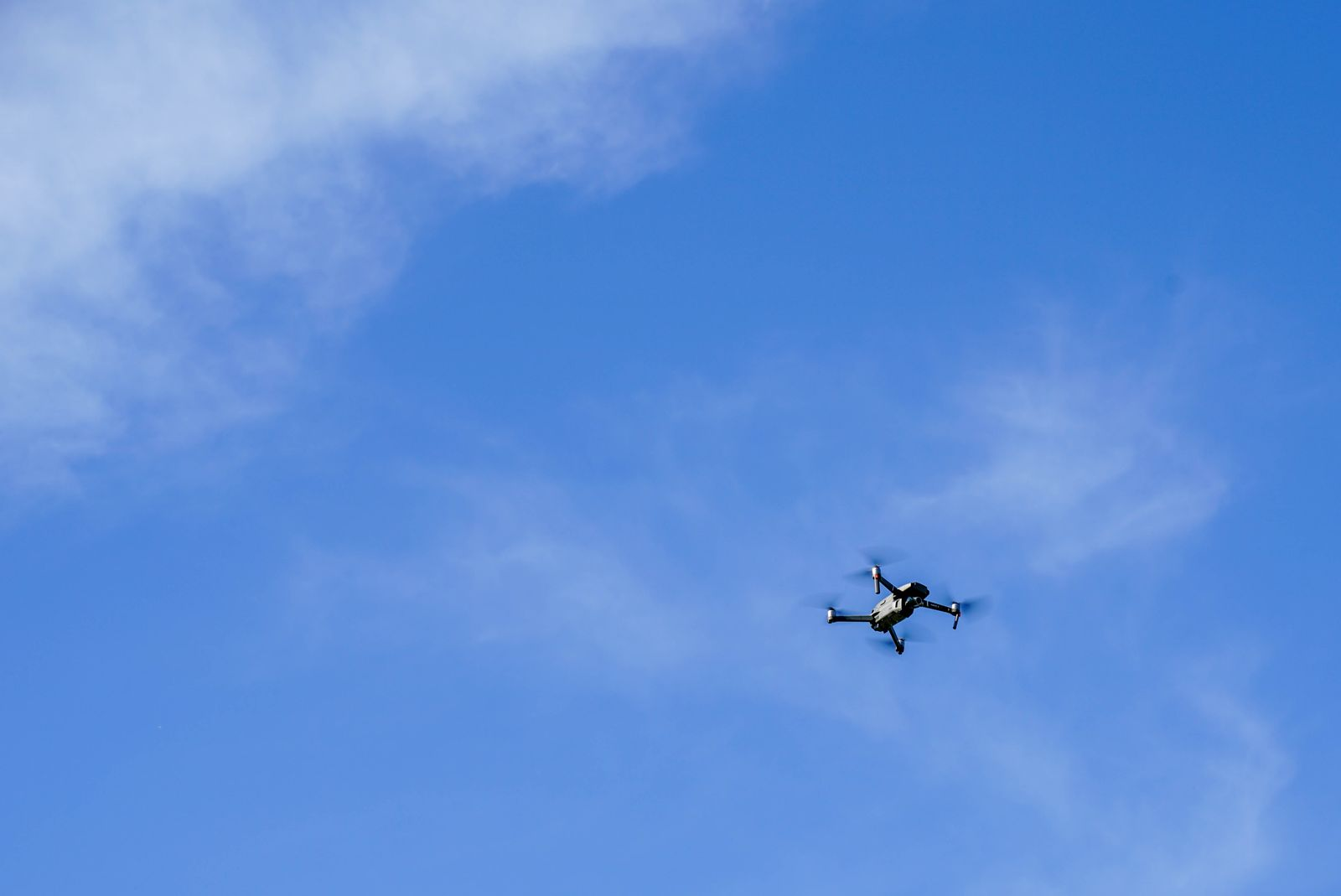
Sweden is moving towards procuring interceptor drones for military use. FMV has been tasked to study, develop, and acquire the capability as the Army expands lower-cost counter-UAS options.
-

Rheinmetall has opened key Battlesuite interfaces for external integration work. The Onboard and Tactical APIs are intended to reduce bespoke engineering across networked defence systems.
-
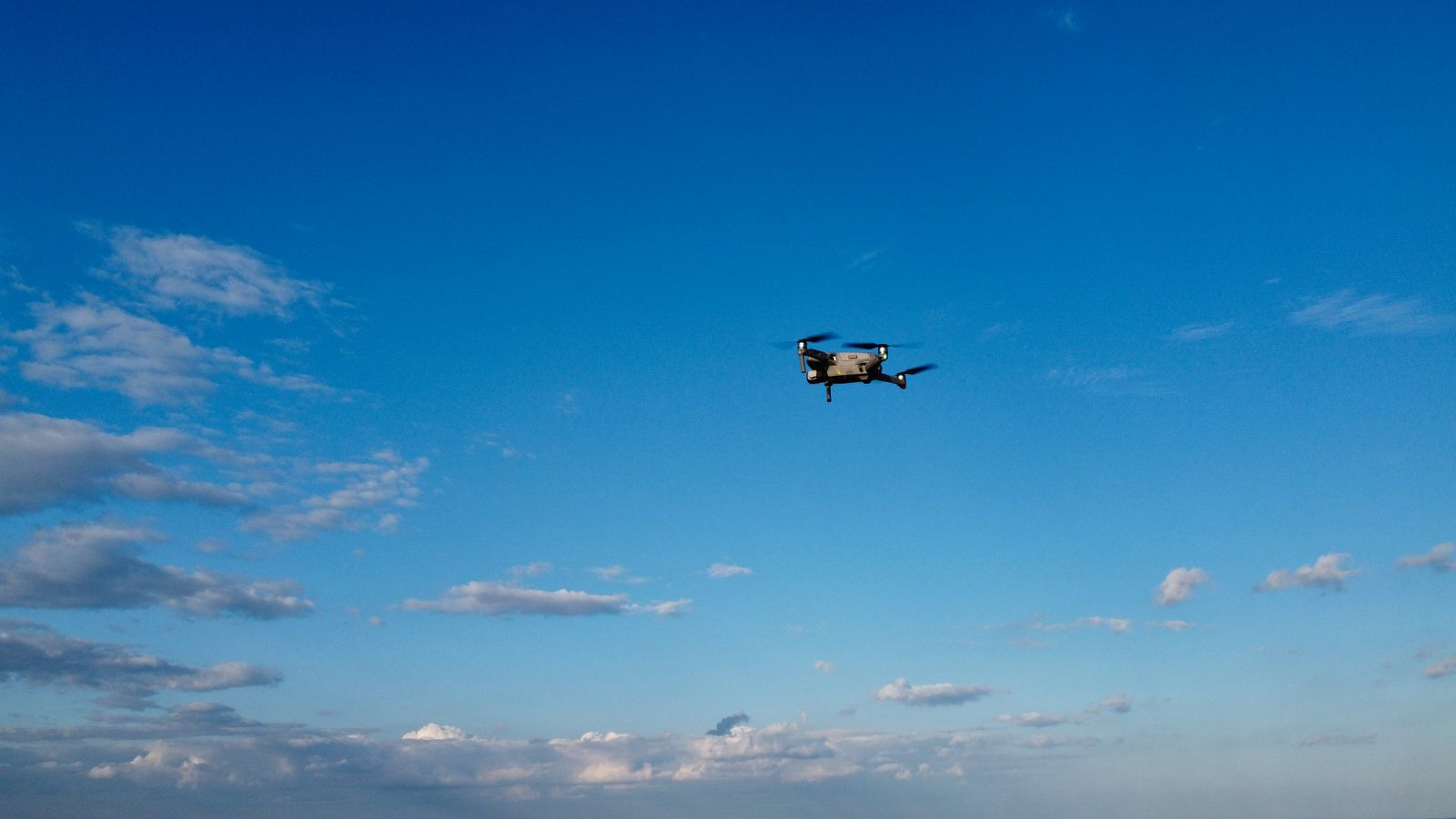
MBDA and WITU have advanced their low-cost counter-mass interceptor programme. Seeker trials in Poland clear the way for prototype integration and an initial firing campaign in 2027.
-
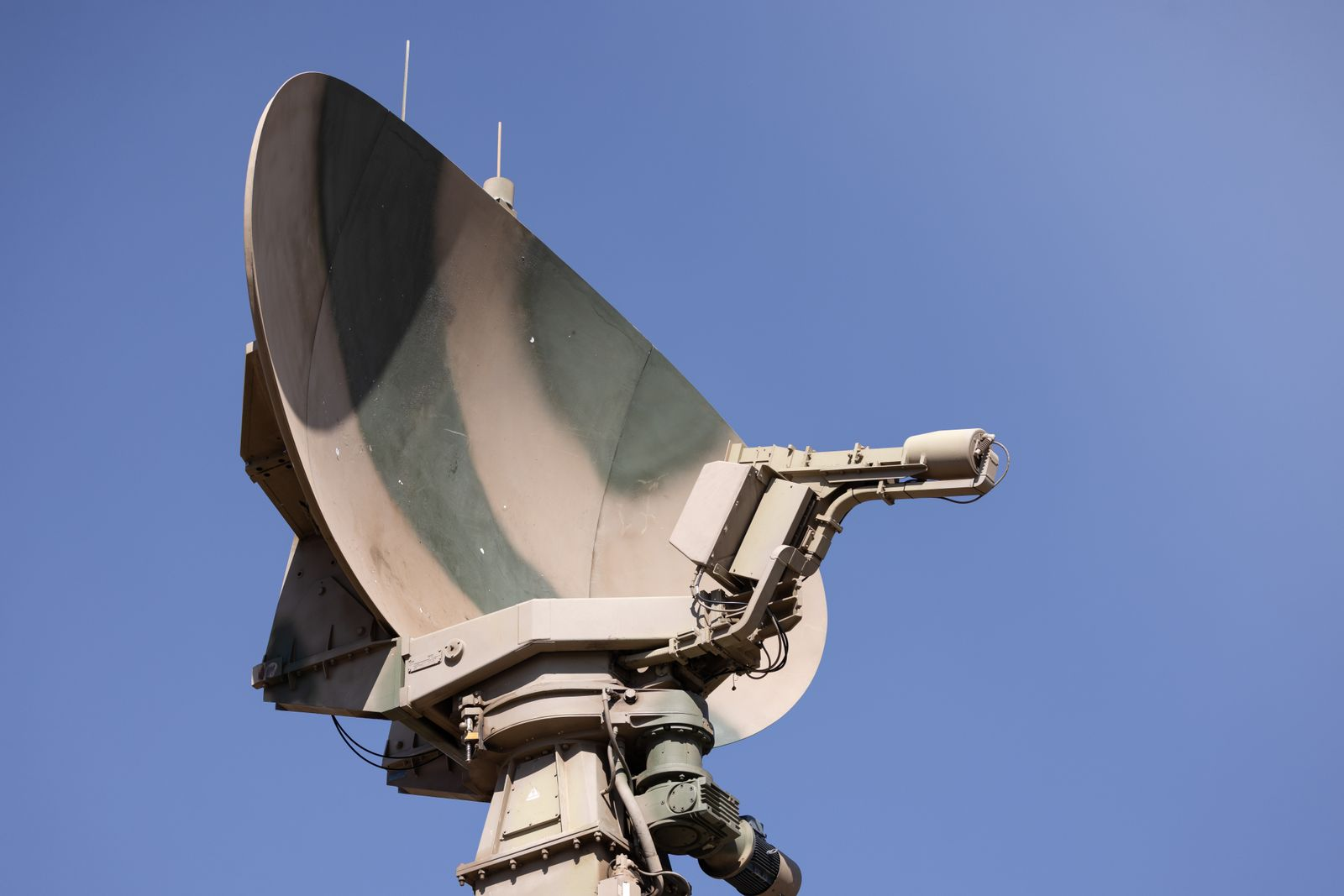
KONGSBERG integrates Echodyne radar into PROTECTOR stations for counter-UAS missions. MESA supplies precision tracking data to the RS4 and RS6 fire-control chain after a multi-year integration and test programme.
-
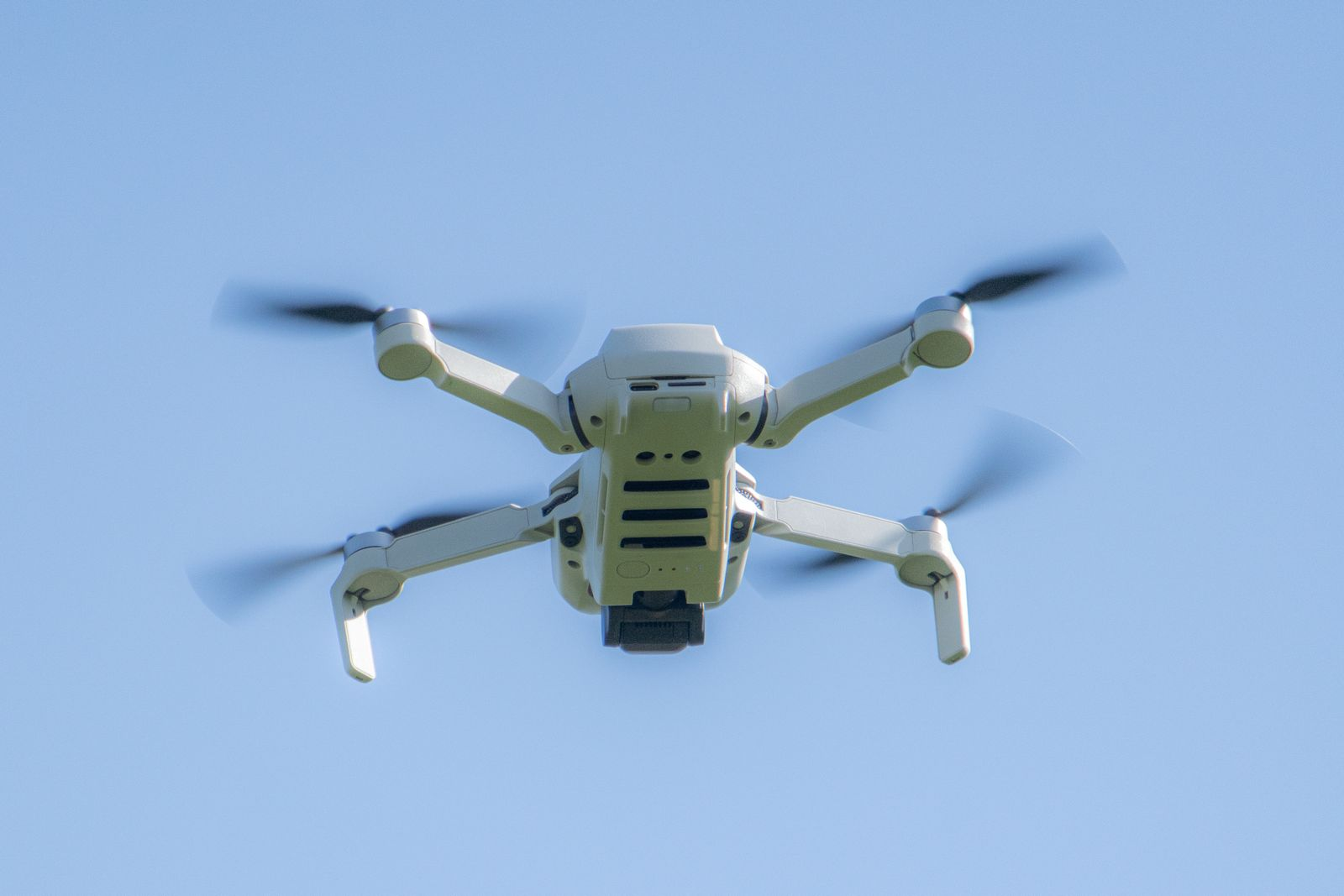
Elbit Systems has launched FUSE for scaled autonomous combat operations. Dominion-X coordinates aerial and ground platforms through a common AI environment designed for distributed missions and contested operating conditions.
-

Australian Army NASAMS has reached final operational capability in service. The milestone completes a phased introduction combining networked air defence, Australian-designed radar, and domestic sustainment.
-
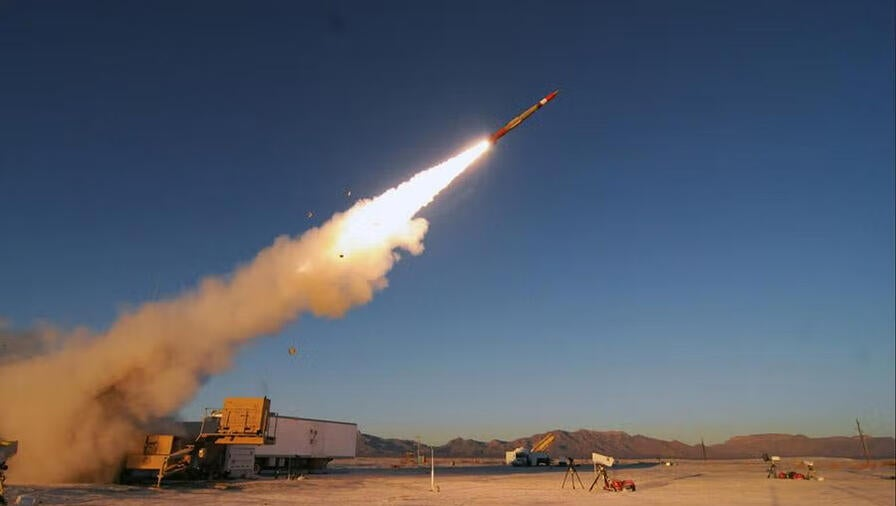
L3Harris secures $4.7bn PAC-3 propulsion award from Lockheed Martin today. The seven-year agreement covers rocket motors and control components as two new Arkansas production buildings move towards operation in 2027.
-
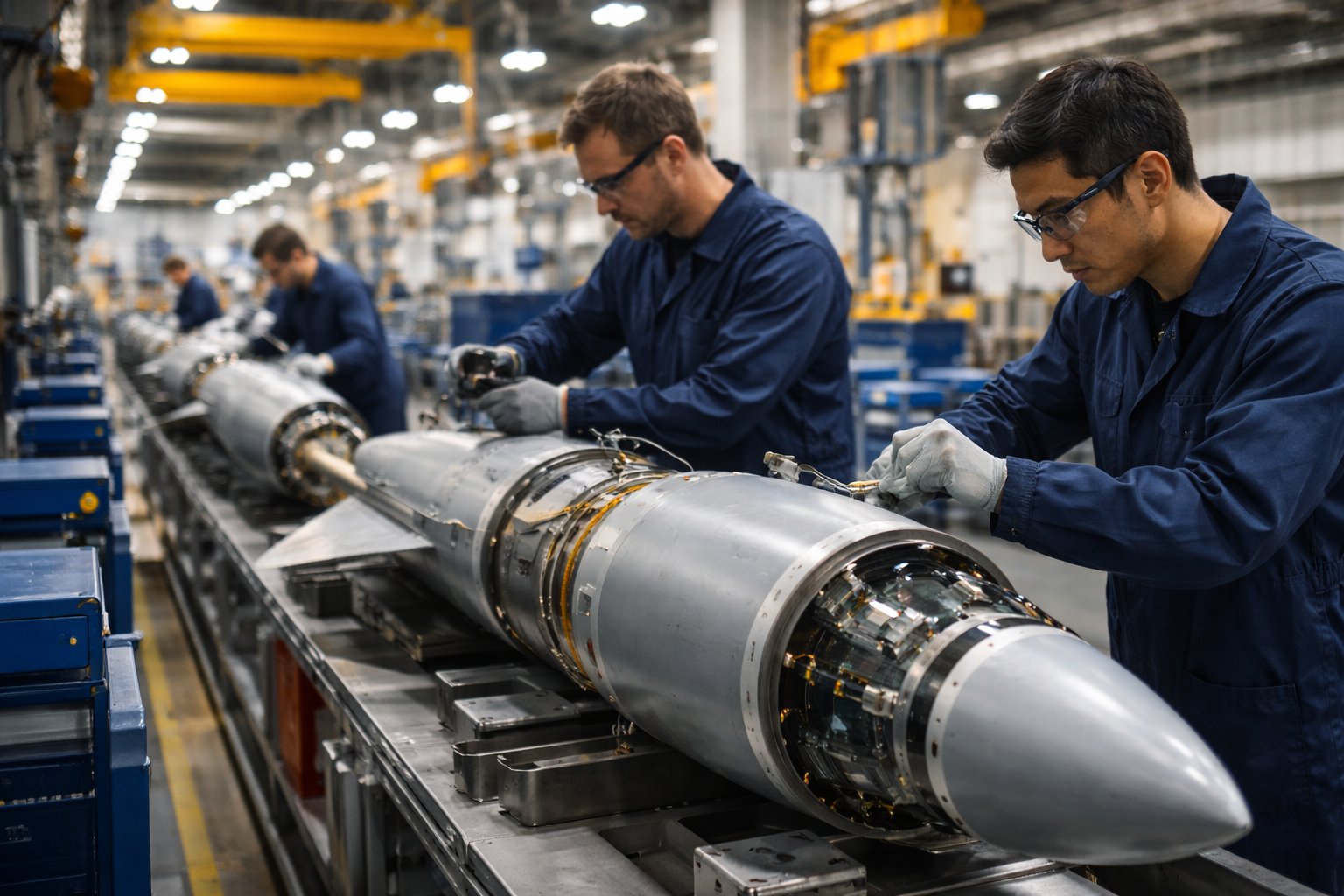
Britain commits another £100m for Ukraine air defence procurement today. The NATO PURL contribution includes Patriot missiles and other equipment for delivery before winter as interceptor demand continues to pressure Western production capacity.
-

ASELSAN secures Polish order for 24 additional ARSUS systems today. Deliveries are scheduled for 2028 and 2029 as the Turkish electronics group expands its reconnaissance partnership with AMZ Kutno.
-
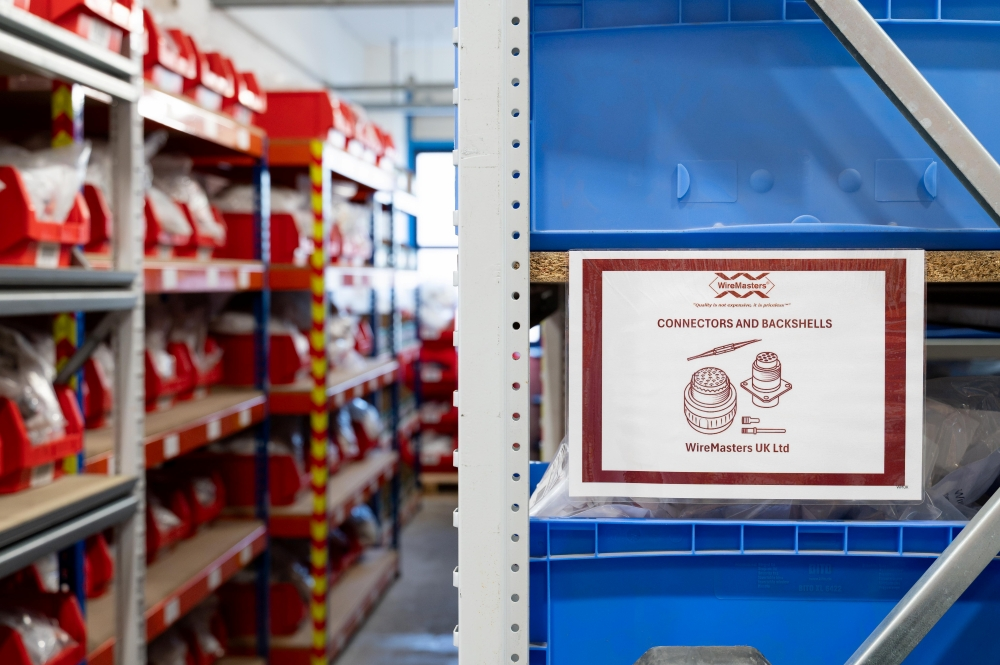
WireMasters will highlight military interconnect supply resilience at DVD 2026. Its VG-standard portfolio is aimed at maintaining component availability and compatibility through lengthy defence vehicle procurement and support cycles.