
Land
-
SPARC AI has launched Overwatch Patrol for GPS-denied dismounted navigation. The application adds shared team positions and rally points while the company explores integration with tactical radio networks following demonstrations in Poland.
-
Hensoldt’s corrected Army rangefinder contract is valued at $65.5m overall. The five-year sole-source award covers Eyesafe Laser Rangefinders with containers and replaces a government notice carrying the wrong value and award date.
-
Northrop Grumman has secured a new US ammunition contract vehicle. The $20m IDIQ covers non-standard ammunition through October 2027, with individual orders determining products, quantities, production locations, and funding.
-
Olin Winchester has secured a major US Army ammunition contract. The $788.4m vehicle covers 5.56mm, 7.62mm, and .50-calibre ammunition, with quantities, funding, and production locations to be determined through individual orders running to 2031.
-
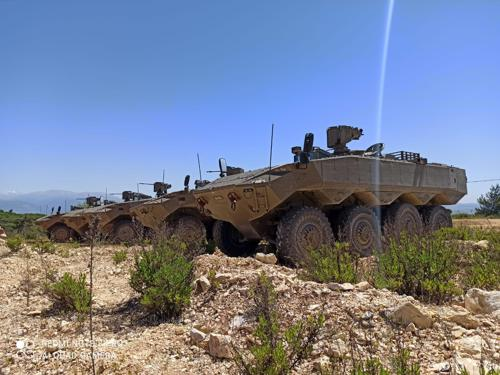
Rolls-Royce has secured another Eitan power-pack production modification worth $39m. The US Army action lifts the cumulative contract value to $158.9m, with South Carolina work continuing through September 2027.
-

Rheinmetall will supply twelve autonomous vehicles to the US Marines. The $7.28m programme adds amphibious kits, PATH autonomy, engineering support, training, and acceptance work for continued expeditionary experimentation.
-

Northrop Grumman is expanding European IBCS industrial partnerships across Estonia. Agreements with Go Craft and DefSecIntel cover systems integration and specialist mast production alongside wider Polish defence-industry cooperation.
-

France has selected THUNDART for sovereign long-range precision land strike. MBDA and Safran will establish a joint venture covering development, production, support, and future evolution towards operational autonomy in 2030.
-
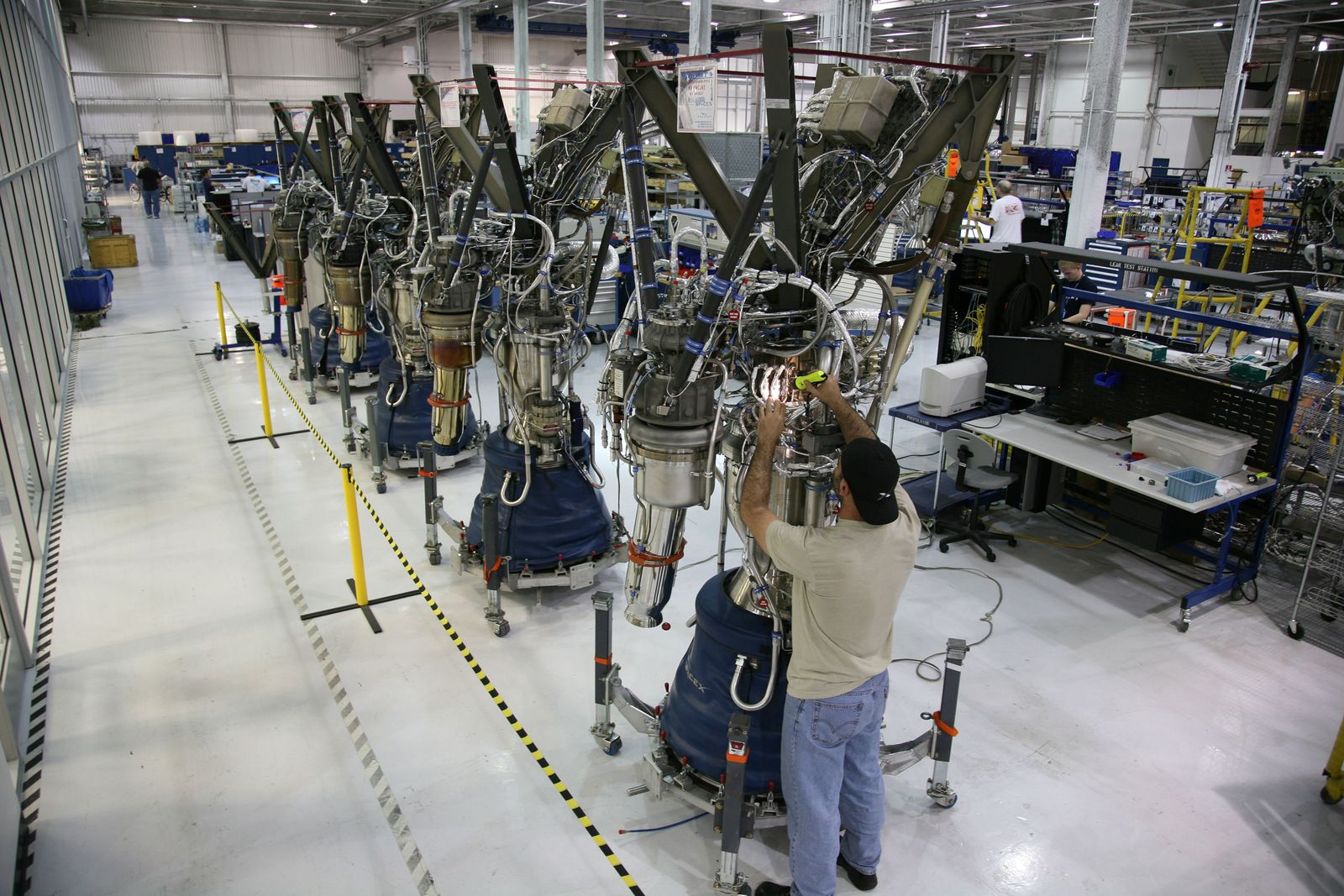
EDGE and Safran plan Brazilian solid rocket motor production capability. The agreement also covers missiles, loitering munitions, coastal defence, navigation, actuation, optronics, and seeker technologies.
-
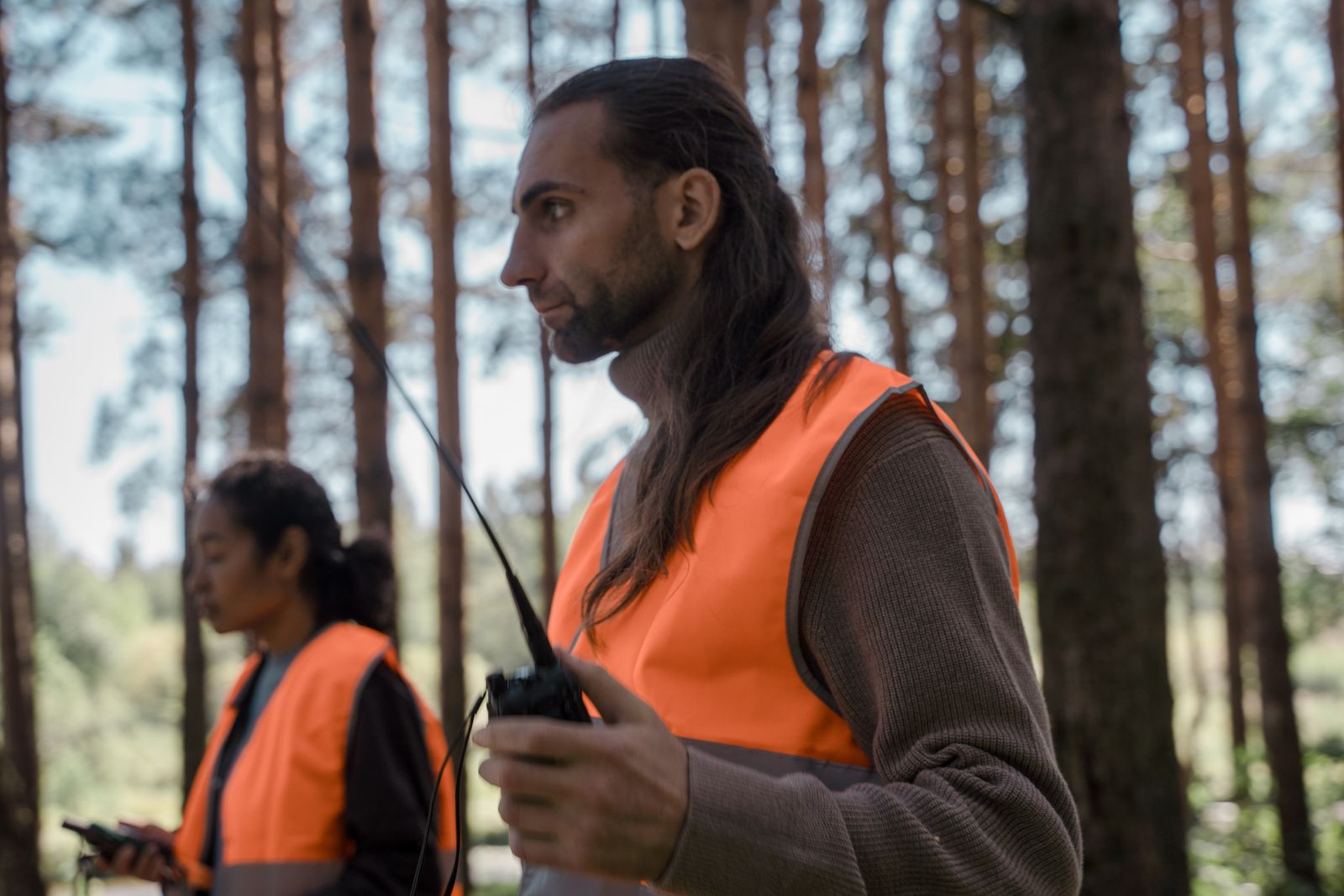
Sweden has ordered Bittium tactical radios for Army pilot testing. The procurement is the first Swedish order under a ten-year Nordic framework designed to support interoperable software-defined communications.