
Land
-
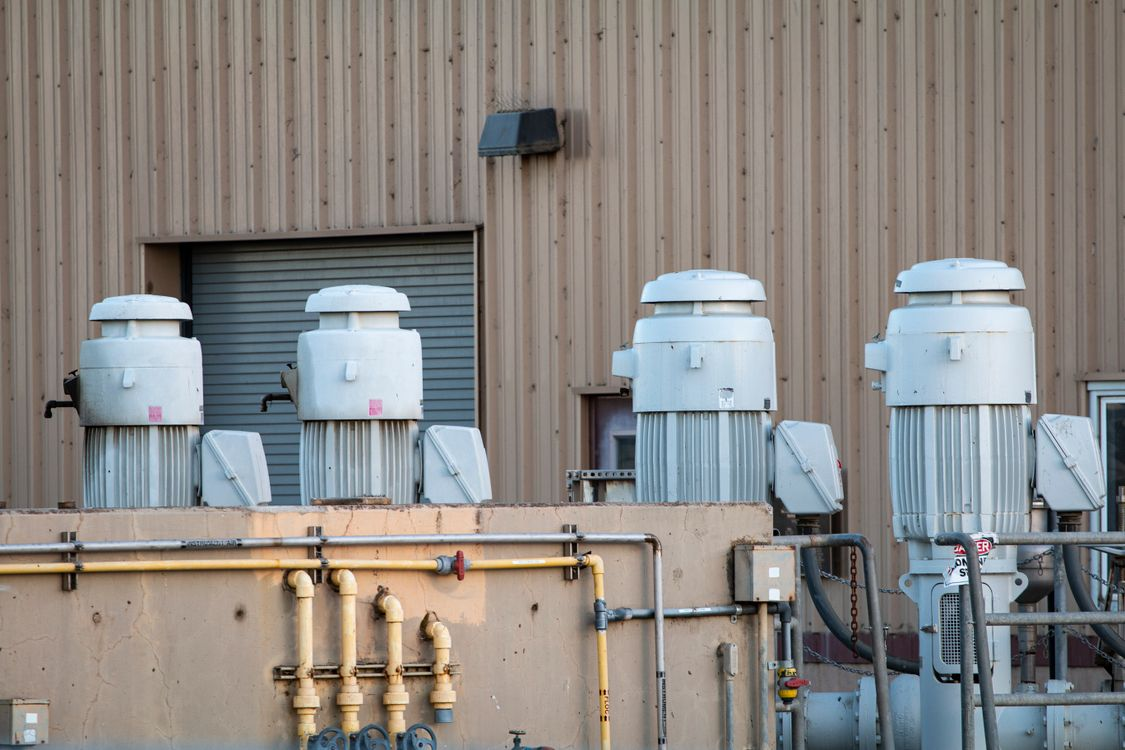
Hanwha plans a $2.2 billion munitions manufacturing campus in Arkansas. The Pine Bluff Arsenal project will focus on 155mm propellant charges and base bleed units, with nearly 400 jobs projected.
-
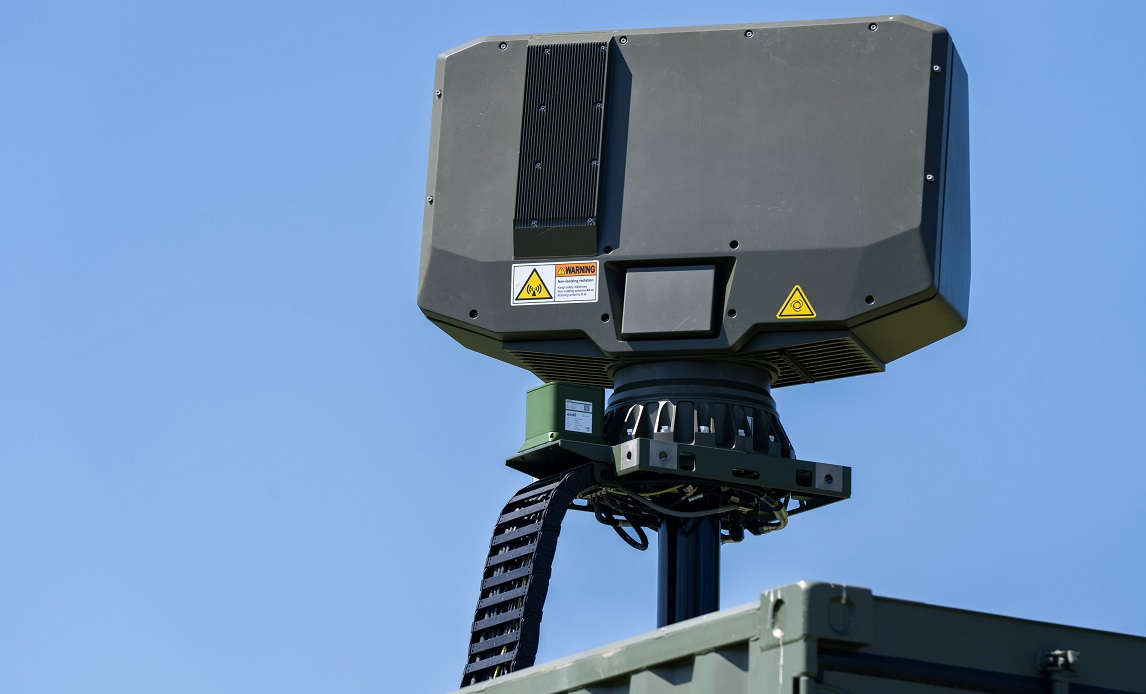
Denmark has ordered additional radars for military counter-drone surveillance duties. The Weibel systems add detection, classification, tracking, maintenance, and continuing software support to the developing national capability.
-
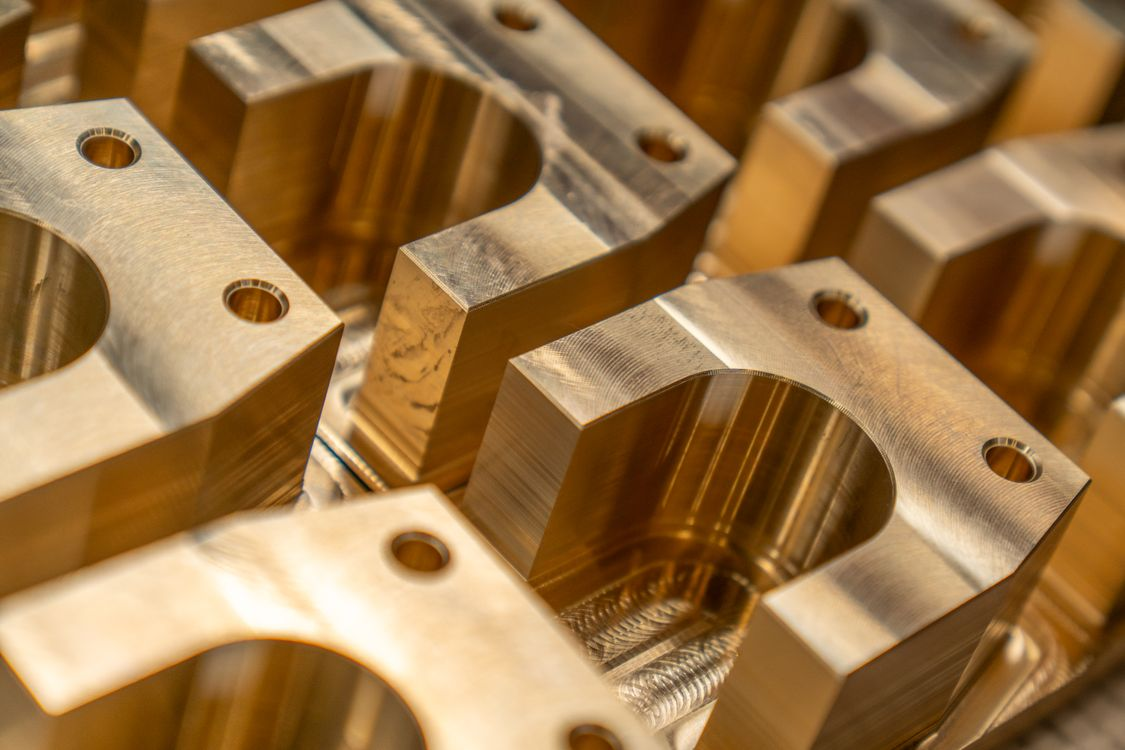
Tirupati Forge has secured approval to manufacture empty artillery shells. The licence covers seven calibres from 105mm to 155mm, with pilot production planned from December 2026.
-
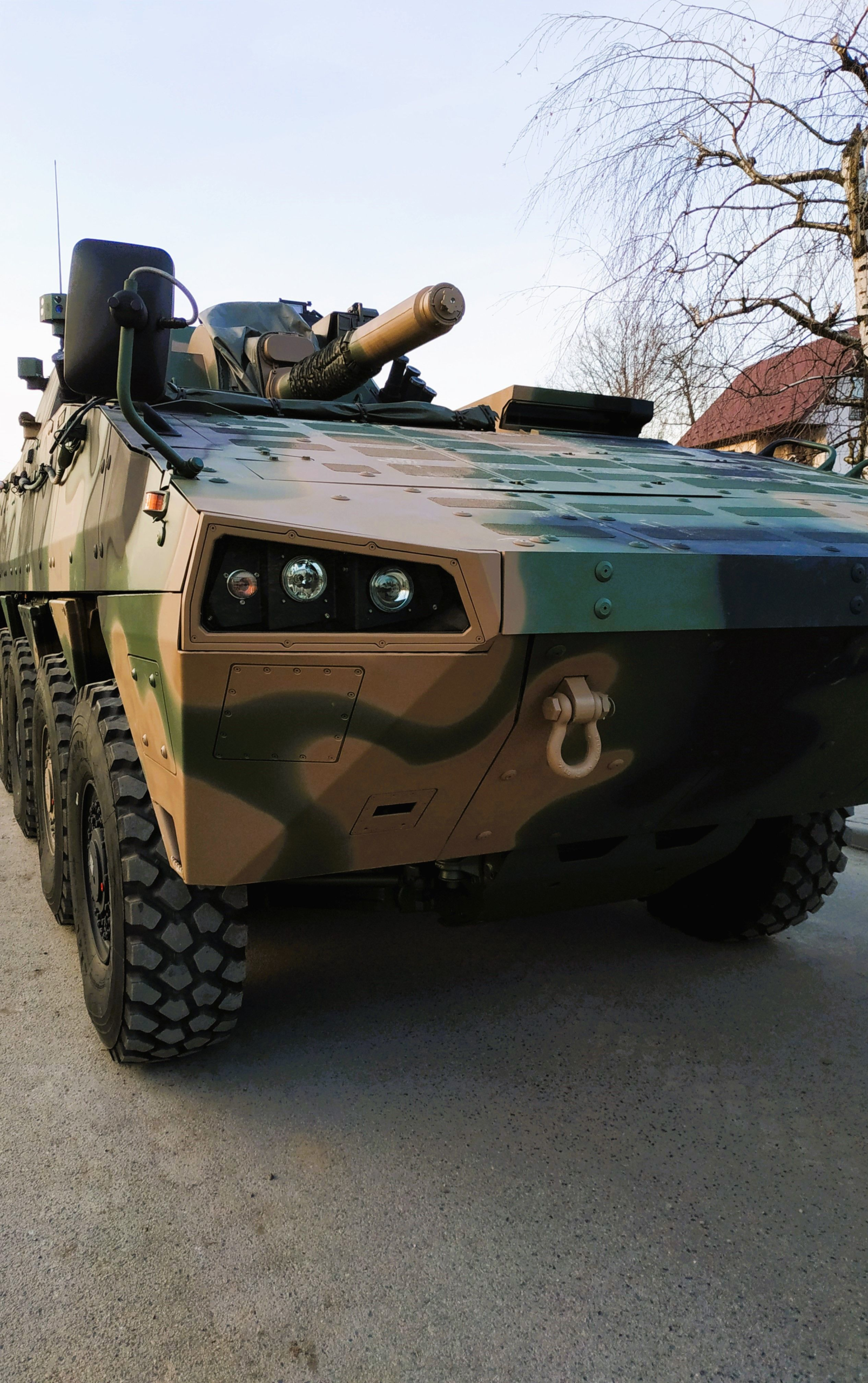
India has ordered indigenous auxiliary power units for armoured fleets. The ₹586 crore contract covers T-72 and T-90 tanks, taking an industry-led Make-II subsystem into production.
-
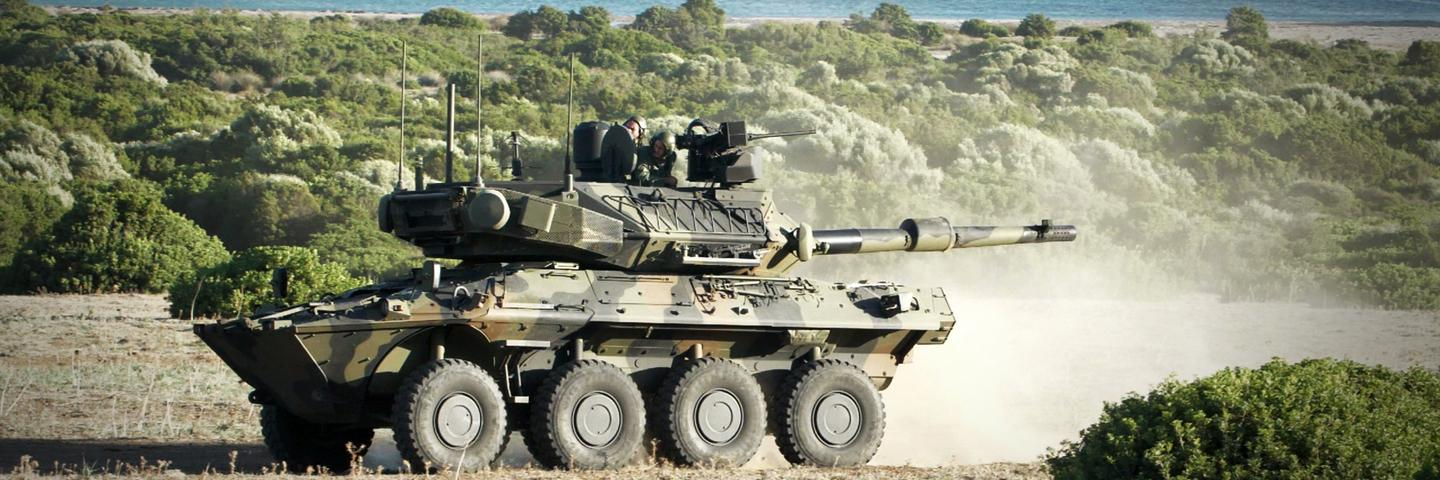
Otokar and Leonardo have completed TULPAR’s latest integration firing trials. Static and moving tests advance the 120 mm HITFACT MkII configuration towards a more mature export offering.
-

Latvia selects Excalibur Army’s Morana for its artillery modernisation programme. The Czech system replaces the previously pursued Archer route after a cost and delivery reassessment.
-
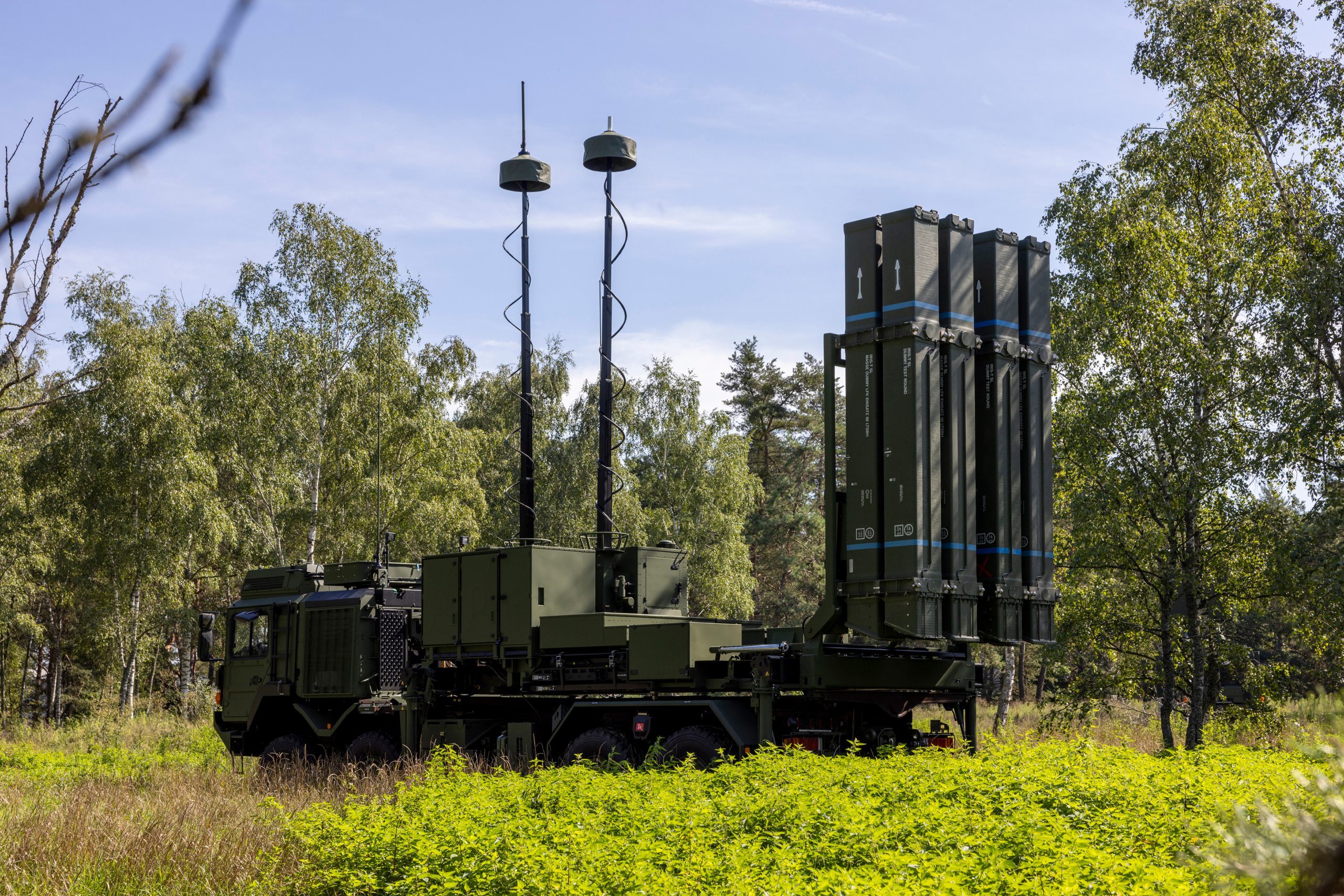
Nammo is developing a new motor for Diehl’s IRIS-T SLX. Prototype work at Raufoss will test a dual-pulse propulsion concept for the extended-range interceptor.
-
BAE Systems OneArc will embed training inside Army combat vehicles. The Fort Hood assessment will test collective training through the same controls and procedures crews use on fielded platforms.
-
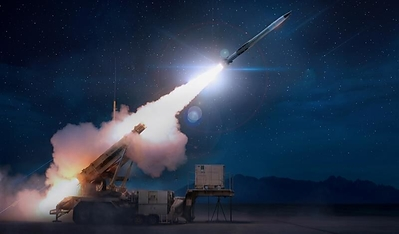
GM Defense delivered PAC-3 housings to Lockheed within twenty-two days. Commercial casting and machining capacity is being introduced into the interceptor’s expanding supplier base.
-
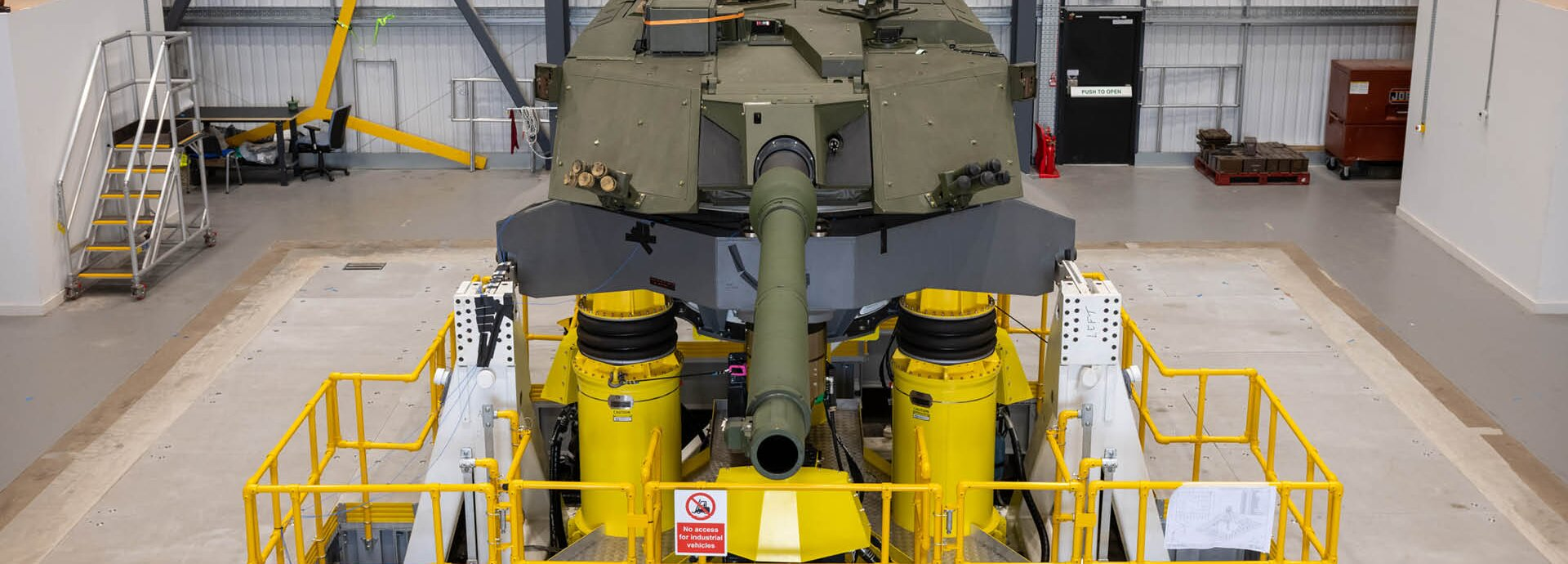
Rheinmetall has opened large-scale vibration testing capability at Telford site. The facility supports Challenger 3 and can test structures and assemblies weighing up to 40 tonnes.