
Land
-

BAE Systems has secured four years of UK artillery support. The Babcock-awarded framework covers weapon system components for the 105mm Light Gun and wider artillery portfolio as domestic barrel manufacturing capacity returns.
-
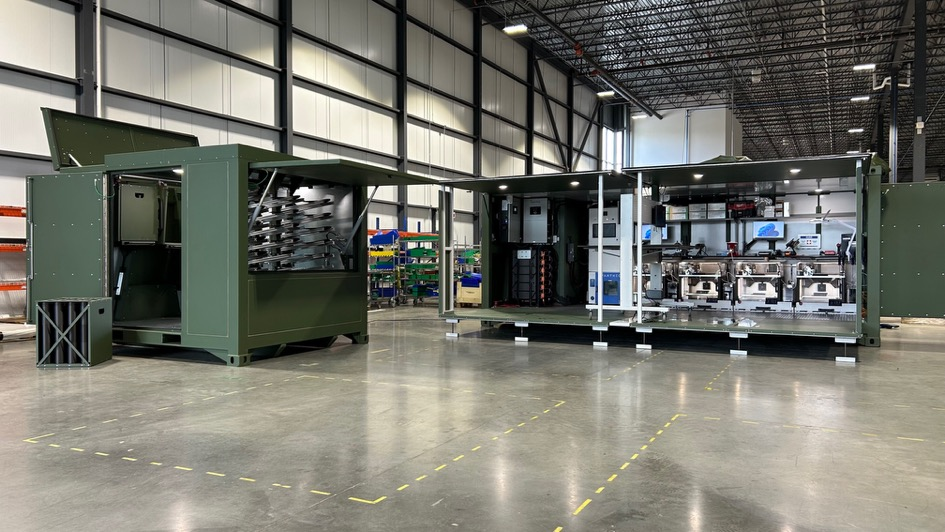
Sentinel has launched a Canadian consortium for deployable defence infrastructure. StarForge combines field manufacturing, communications, autonomy, sensing, power, and command technology under one integration programme.
-
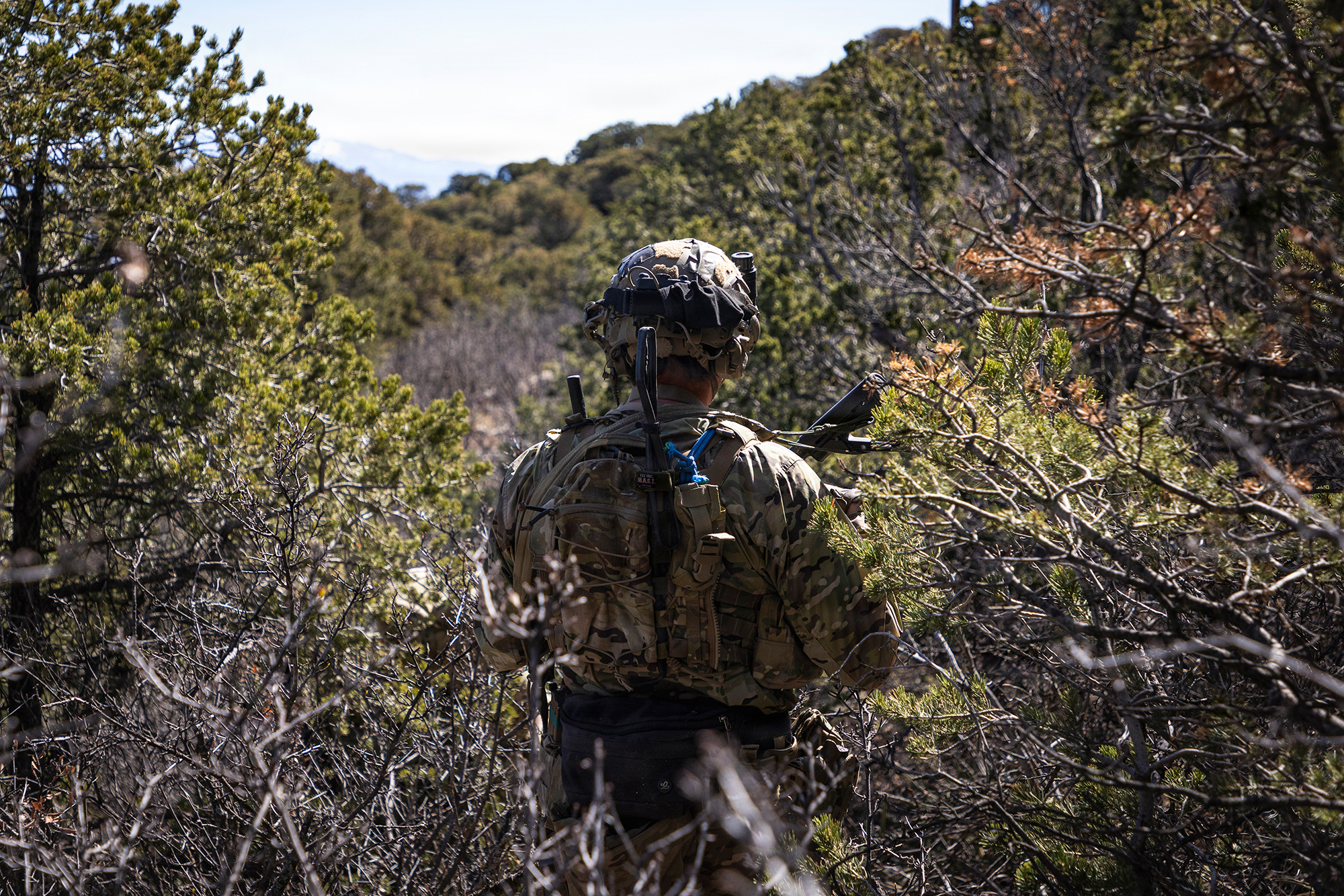
Tycho.AI will develop ten portable counter-UAS interceptors for special forces. The $900,000 programme targets autonomous protection for dismounted operators in contested and GPS-denied environments.
-
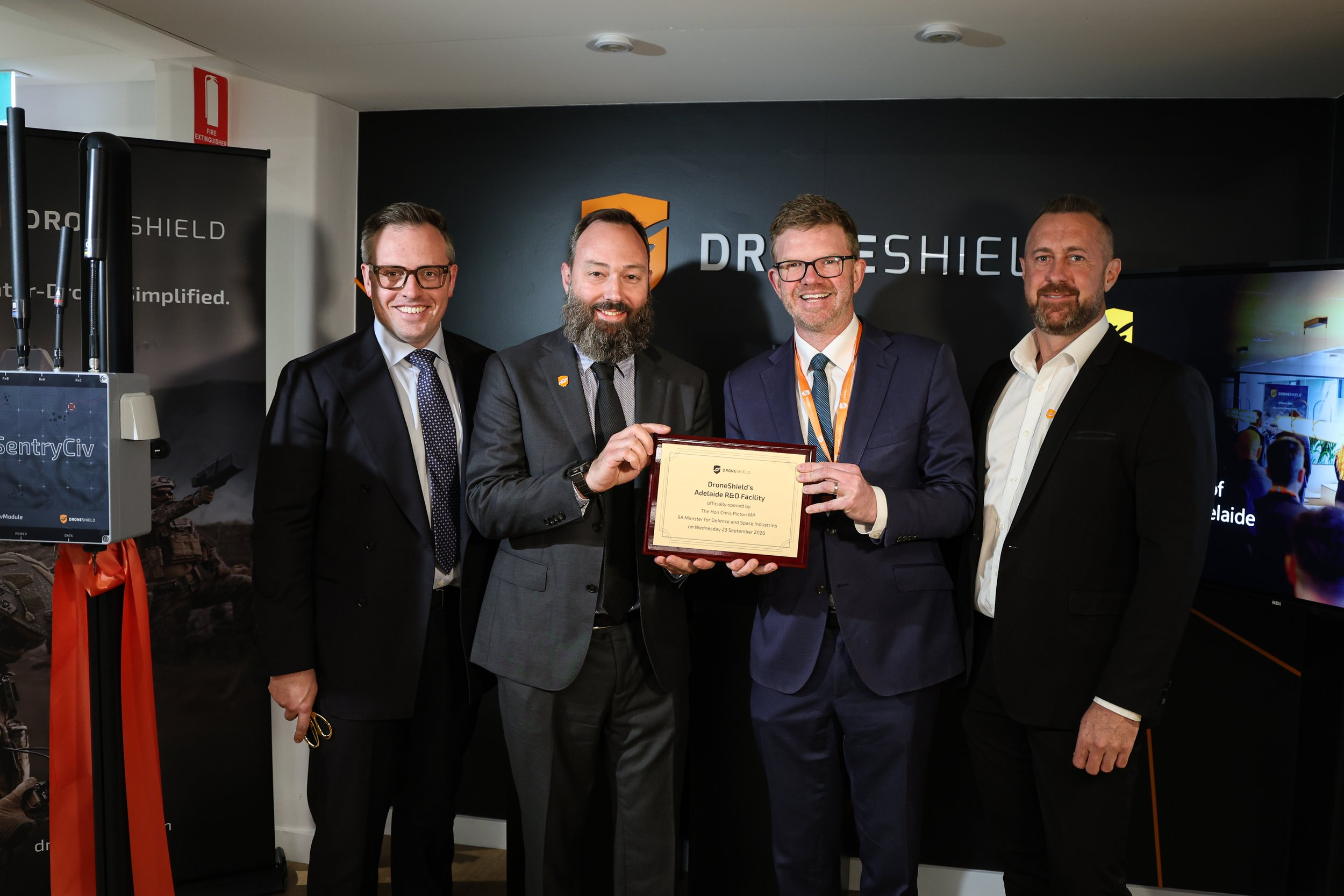
DroneShield has opened a new defence research hub in Adelaide. The facility adds software and dry-laboratory capacity for counter-UAS, sensing, communications, and electronic-warfare development.
-
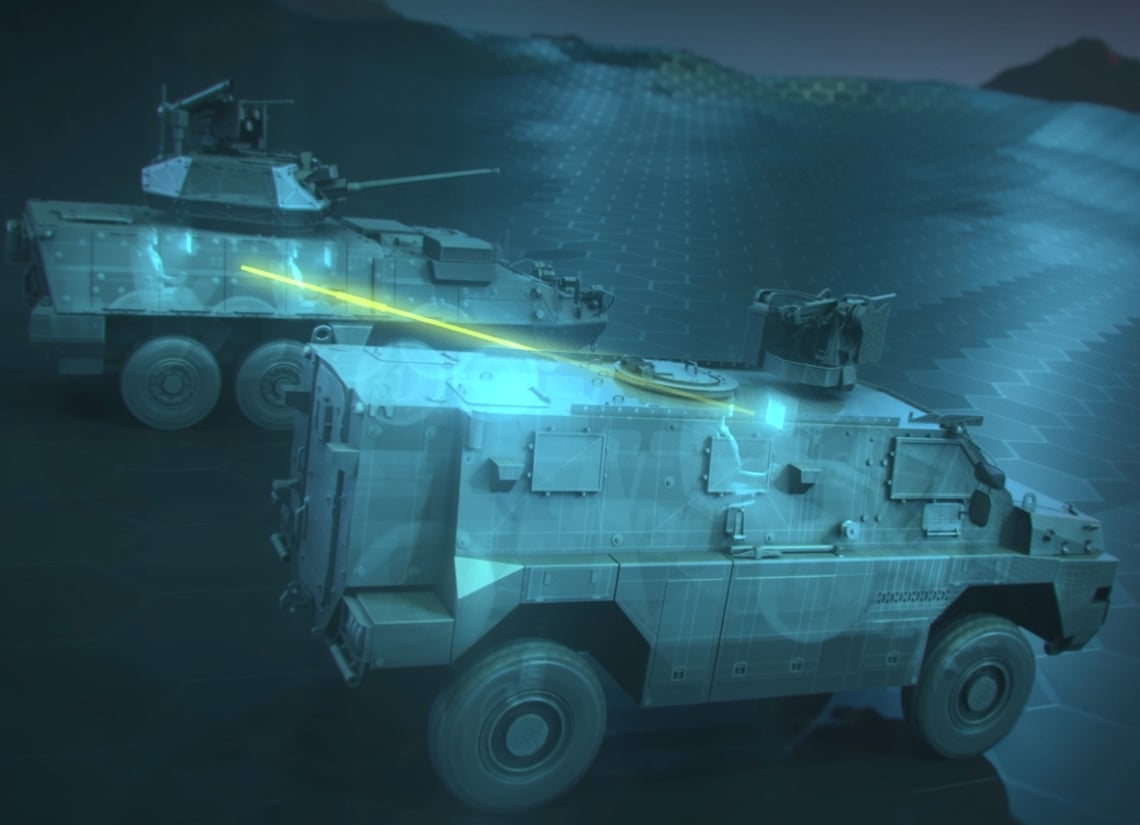
Advanced Navigation will supply KONGSBERG with hundreds of Boreas systems. The €16 million agreement supports PROTECTOR counter-UAS platforms destined for Poland’s expanding air-defence network.
-
GM Defense has received a major ISV Utility modification award. The $697.7 million contract change supports engineering changes as Army demand for the light vehicle family expands.
-
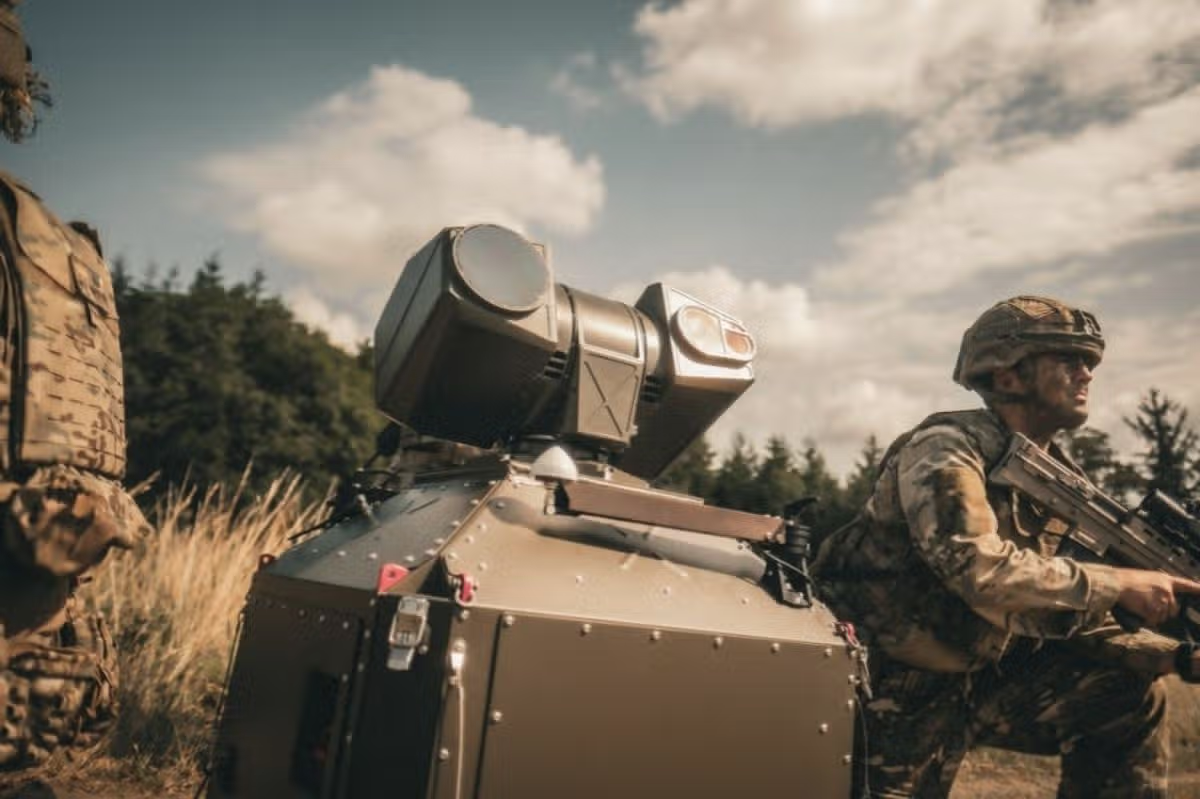
OpenWorks is expanding its American counter-drone manufacturing and support footprint. A Virginia headquarters is operating, with a Detroit production facility planned for later in 2026.
-
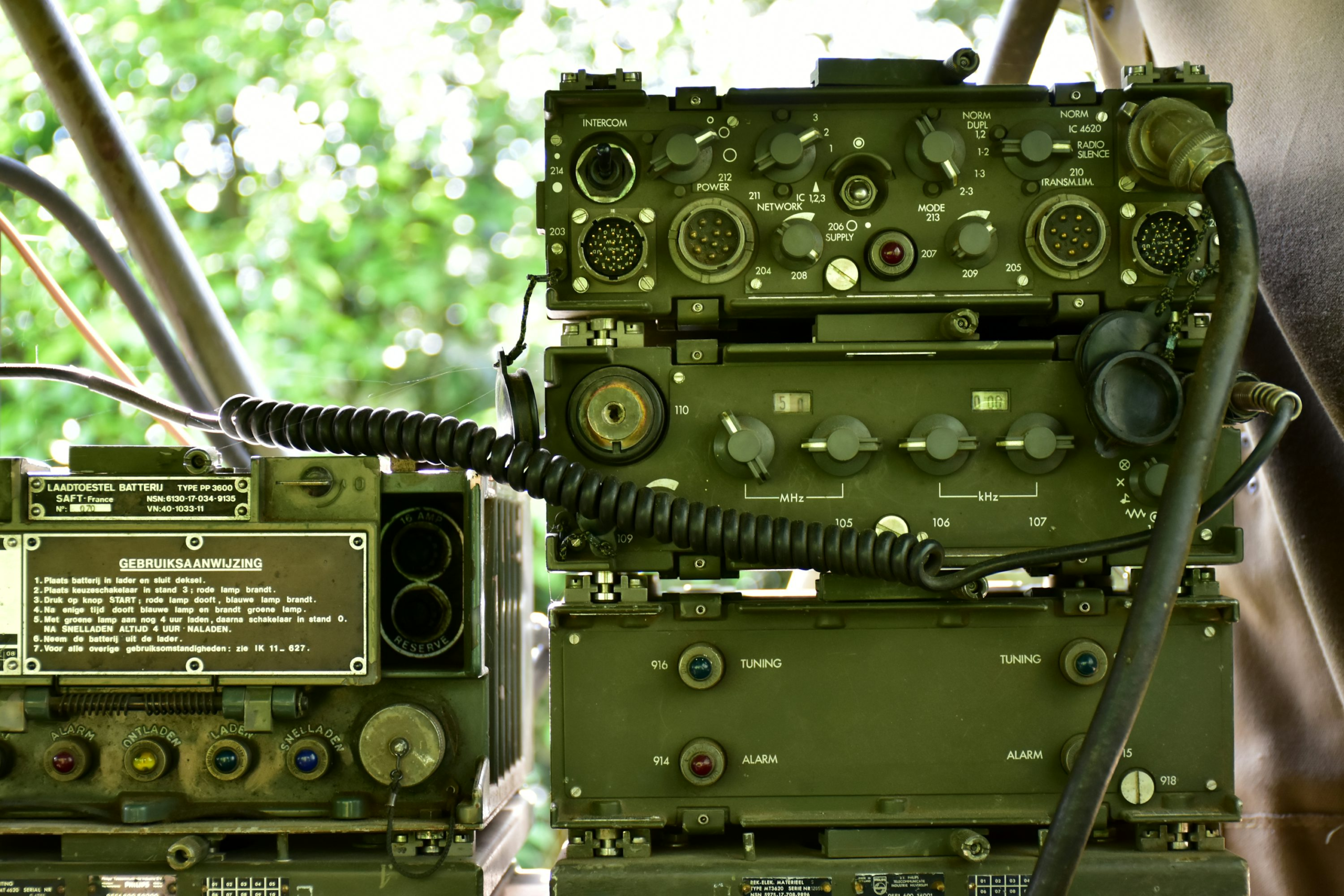
Bittium and Safran will explore French tactical communications programmes together. Their two-year agreement spans air defence, counter-drone systems, unmanned platforms, mission networks, and soldier radios.
-
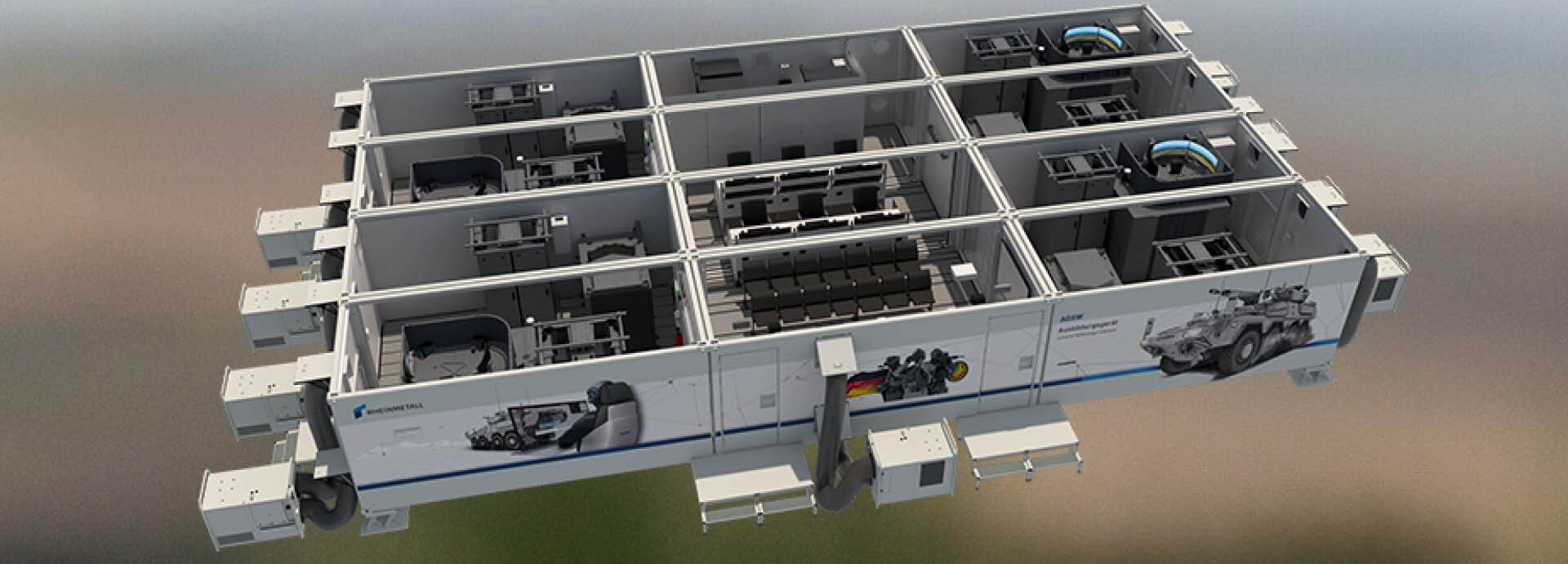
Rheinmetall has cleared factory acceptance for Germany’s new infantry simulator. Five AGSW systems are due by mid-2027 as training begins alongside Heavy Infantry Weapon Carrier deliveries.
-
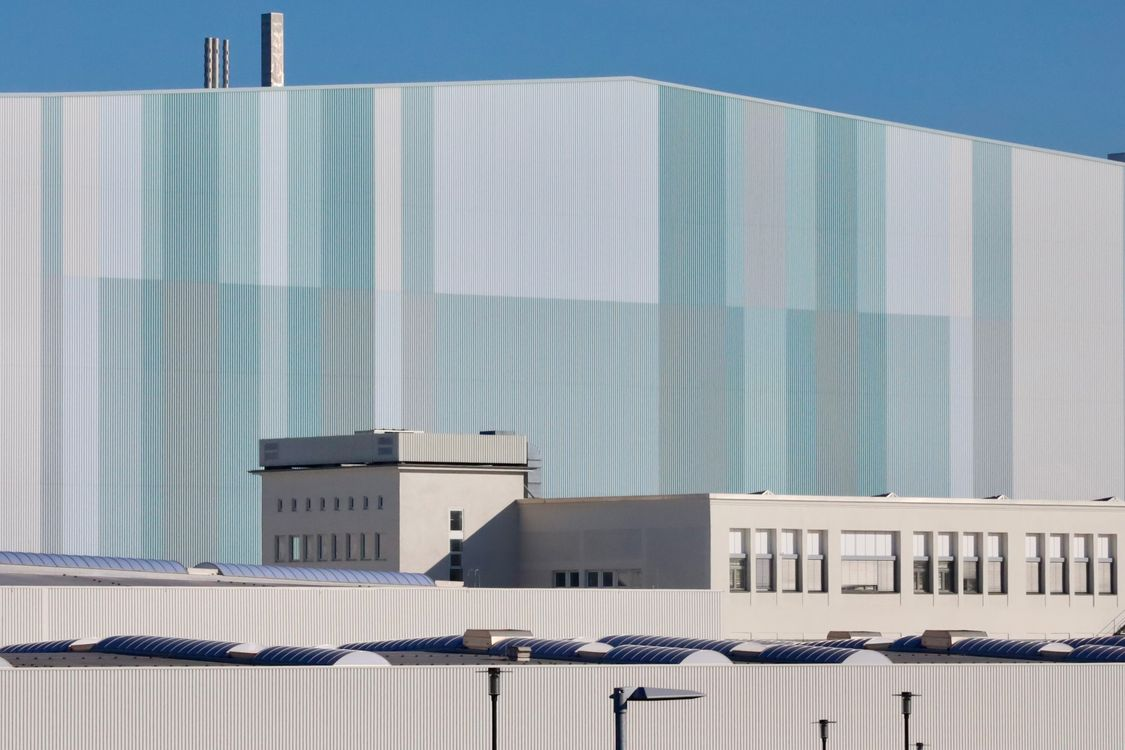
Arcanus plans multi-domain defence manufacturing expansion at Ontario’s Oro Station. The proposed three-phase campus covers UAV production, land systems, counter-UAS integration, and later maritime autonomy.