
Land
-
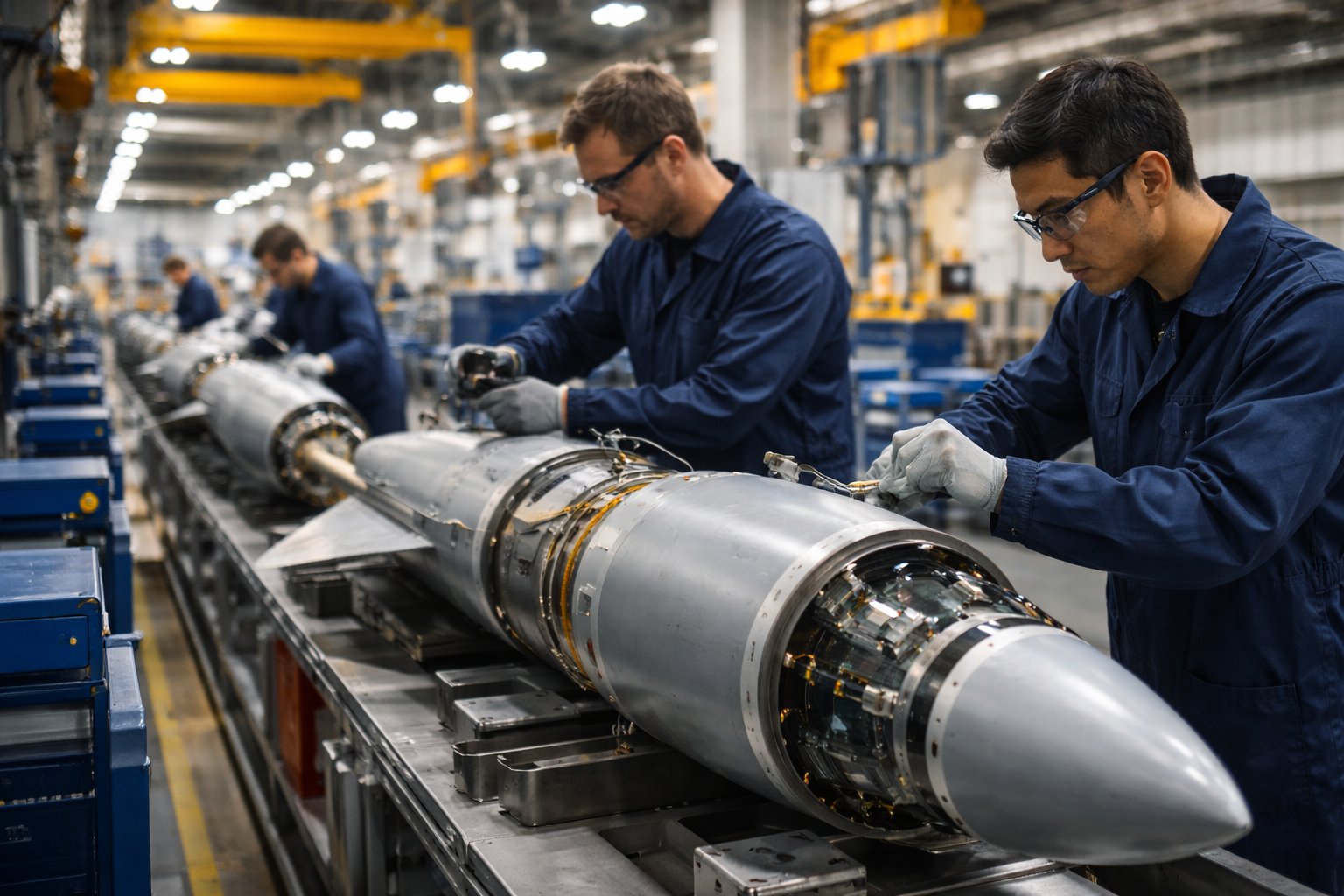
Finland is bringing HIMARS fire-control sustainment inside European industry networks. The Tampere centre will support M270A2 and HIMARS readiness, spares, obsolescence work, and lifecycle services.
-
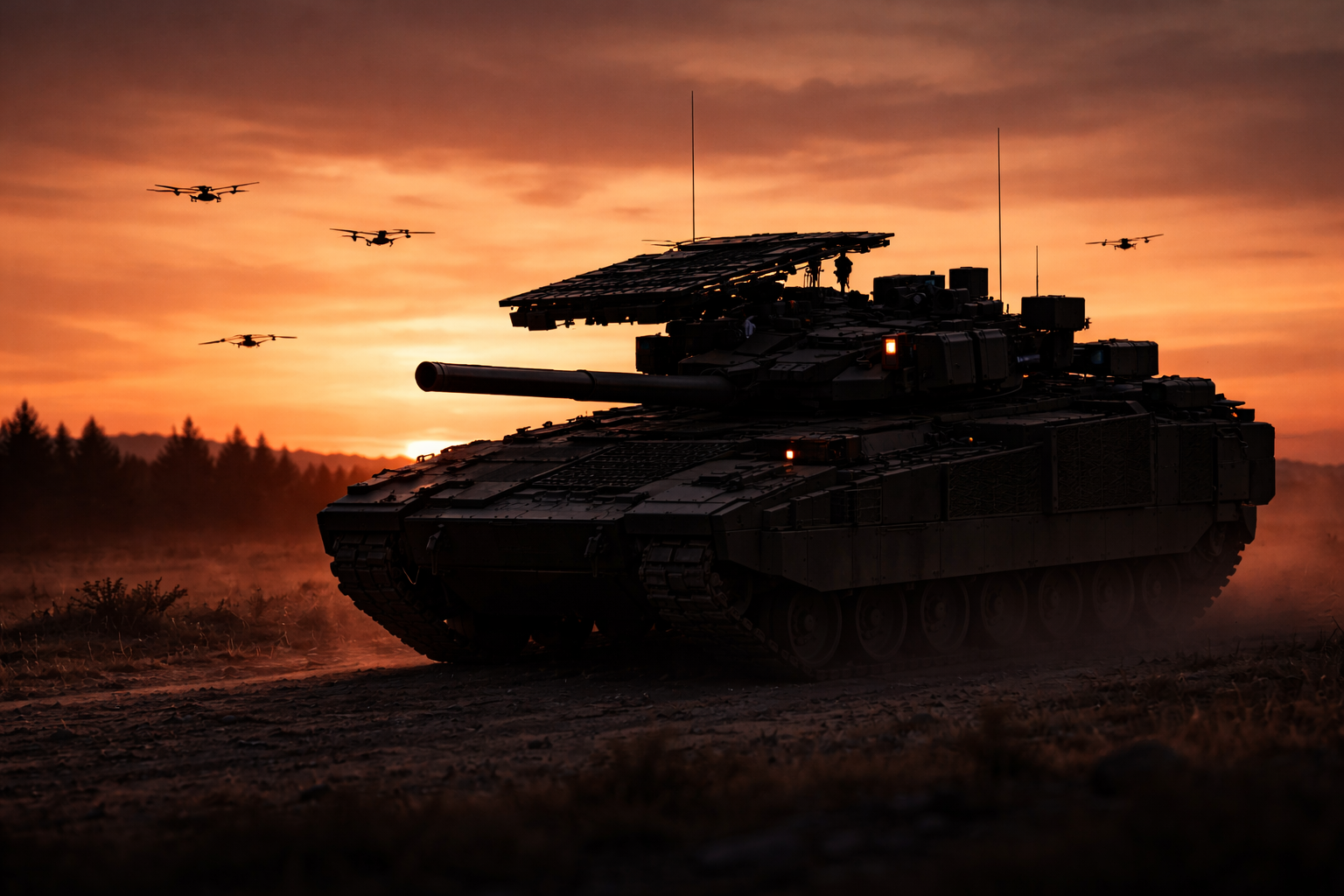
India wants legacy T-72 tanks to become robotic combat mass. The conversion route could create demand for actuators, sensors, autonomy software, rugged electronics, and remote vehicle-control systems.
-
The US Army is testing low-profile CROWS on Paladin howitzers. The work links artillery survivability with remote weapons and counter-UAS integration.
-
Denmark will supply Ukraine with 15,000 extended-range artillery rounds shortly. The package reinforces Europe’s growing pressure around 155mm ammunition production.
-
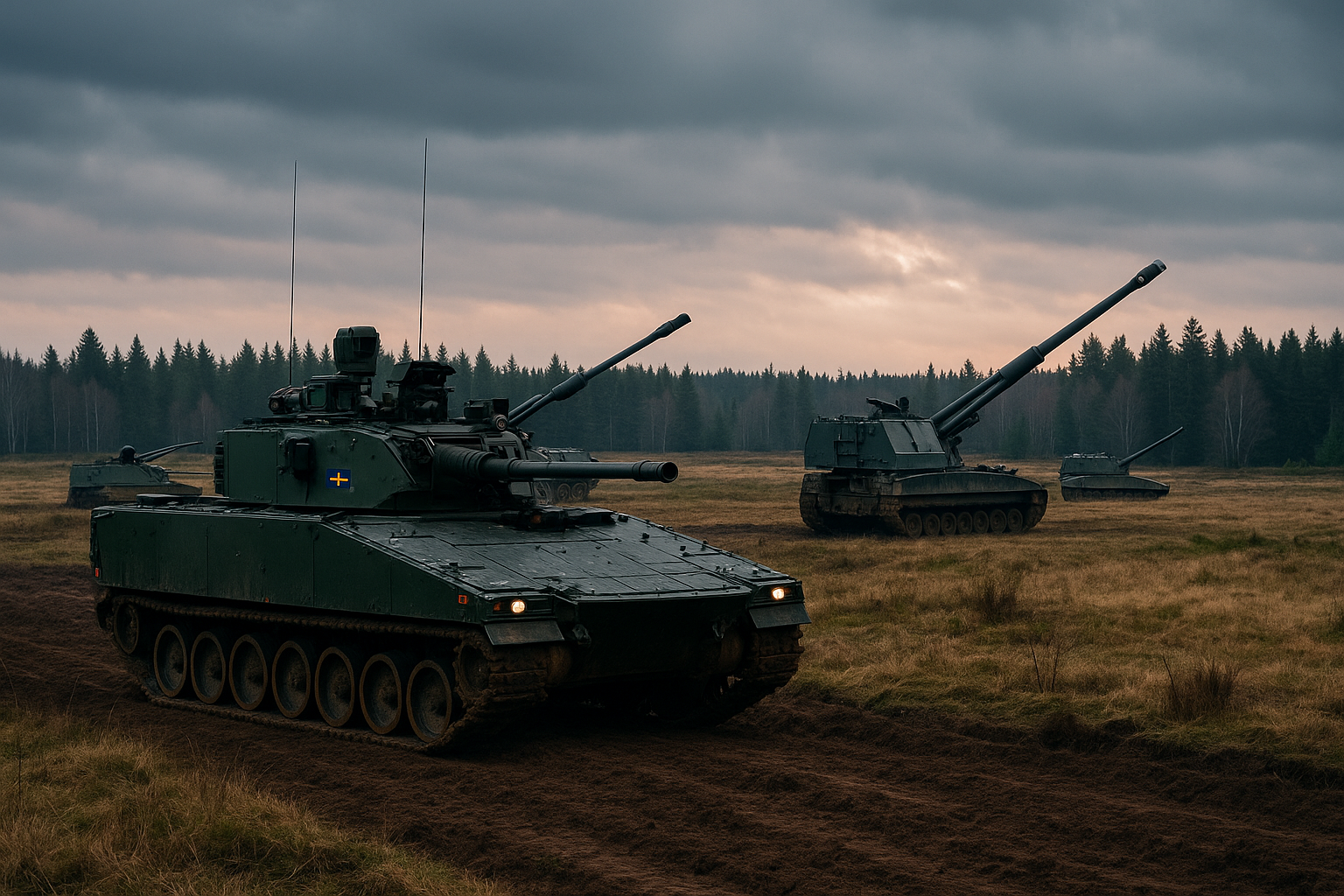
Team Boxer UK has delivered its hundredth Boxer armoured vehicle. The milestone tests Britain’s ability to sustain domestic armoured vehicle production.
-
Thales Australia has unveiled the Bushmaster Mulga utility vehicle variant. The platform shows protected mobility shifting toward modular sensors, effectors, and counter-UAS integration.
-
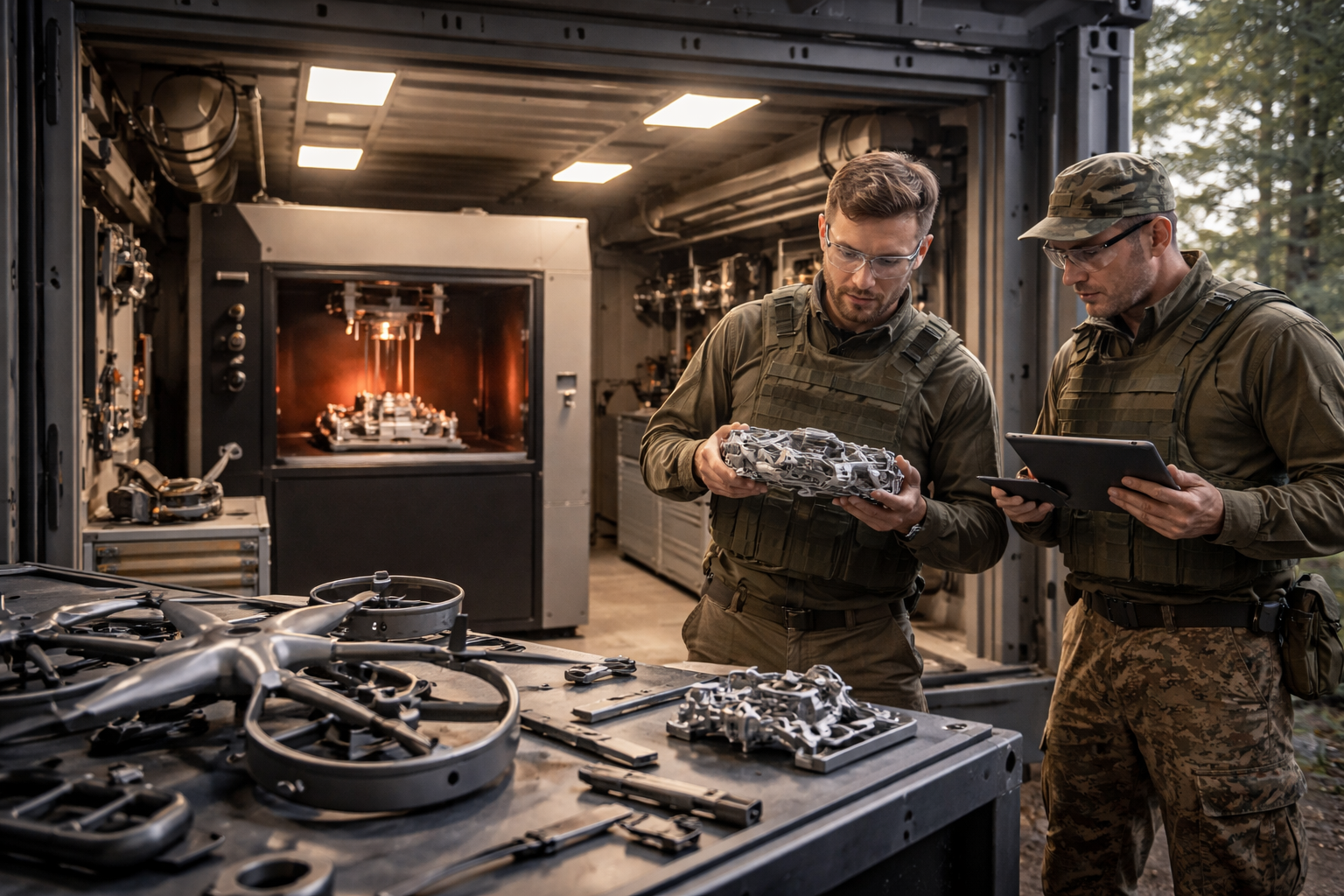
Continuous Composites is now testing additive production for missile structures. The US Army effort targets throughput, yield, producibility, and resilient supply for precision-strike components.
-
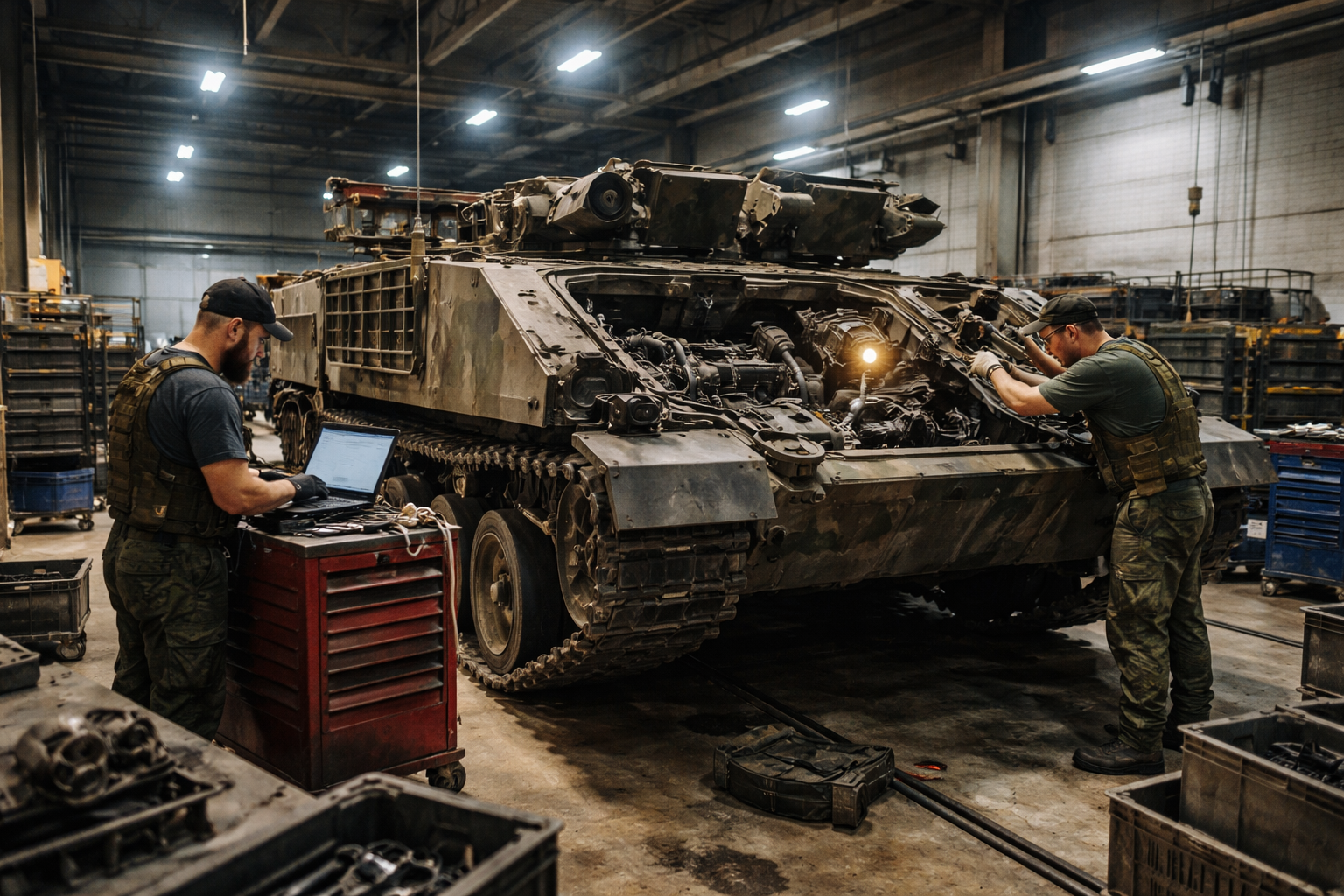
Germany is rebuilding recovery capacity behind its heavy armour fleet. Rheinmetall’s Büffel order reinforces the industrial value of support platforms, obsolescence clearance, and armoured sustainment.
-

Ball bearings have now entered Britain’s defence supply-chain debate sharply. Their production links steel policy to missiles, aircraft, naval gearboxes, armoured vehicles, radar systems, and turret stabilisation.
-
Northrop Grumman will produce programmable ammunition for US Abrams tanks. The five-year M1147 contract supports a US Army shift toward a multi-purpose 120mm round, concentrating production demands around fuze electronics, energetic materials, qualification, quality assurance, and ammunition supply-chain reliability.