
Land
-
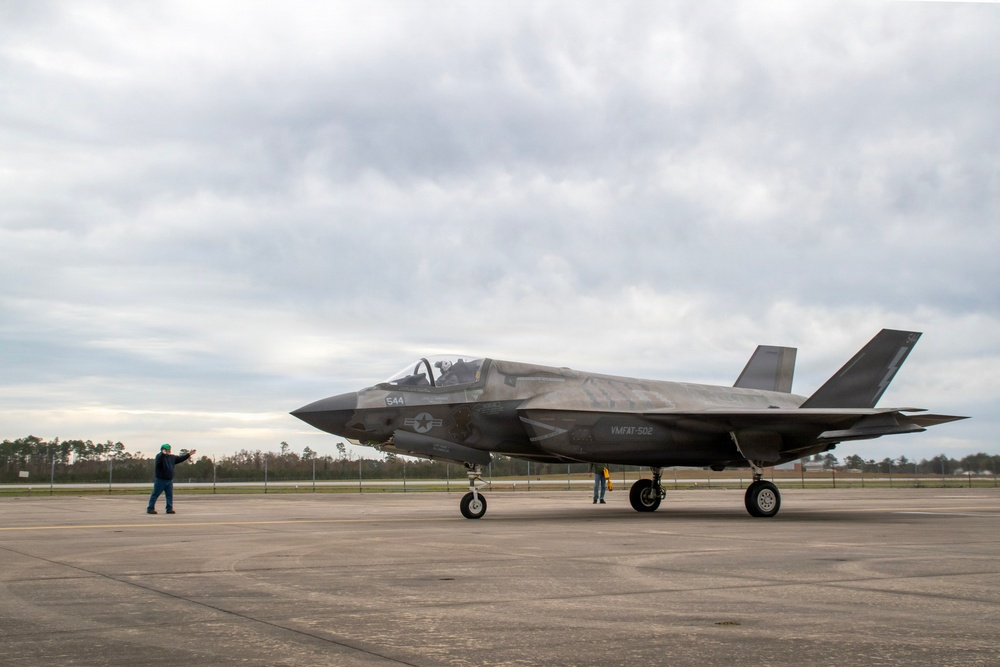
US Marines have deployed new missile systems into Japan’s Okinawa. NMESIS and MADIS reinforce demand for mobile, networked equipment built for distributed Indo-Pacific operations.
-
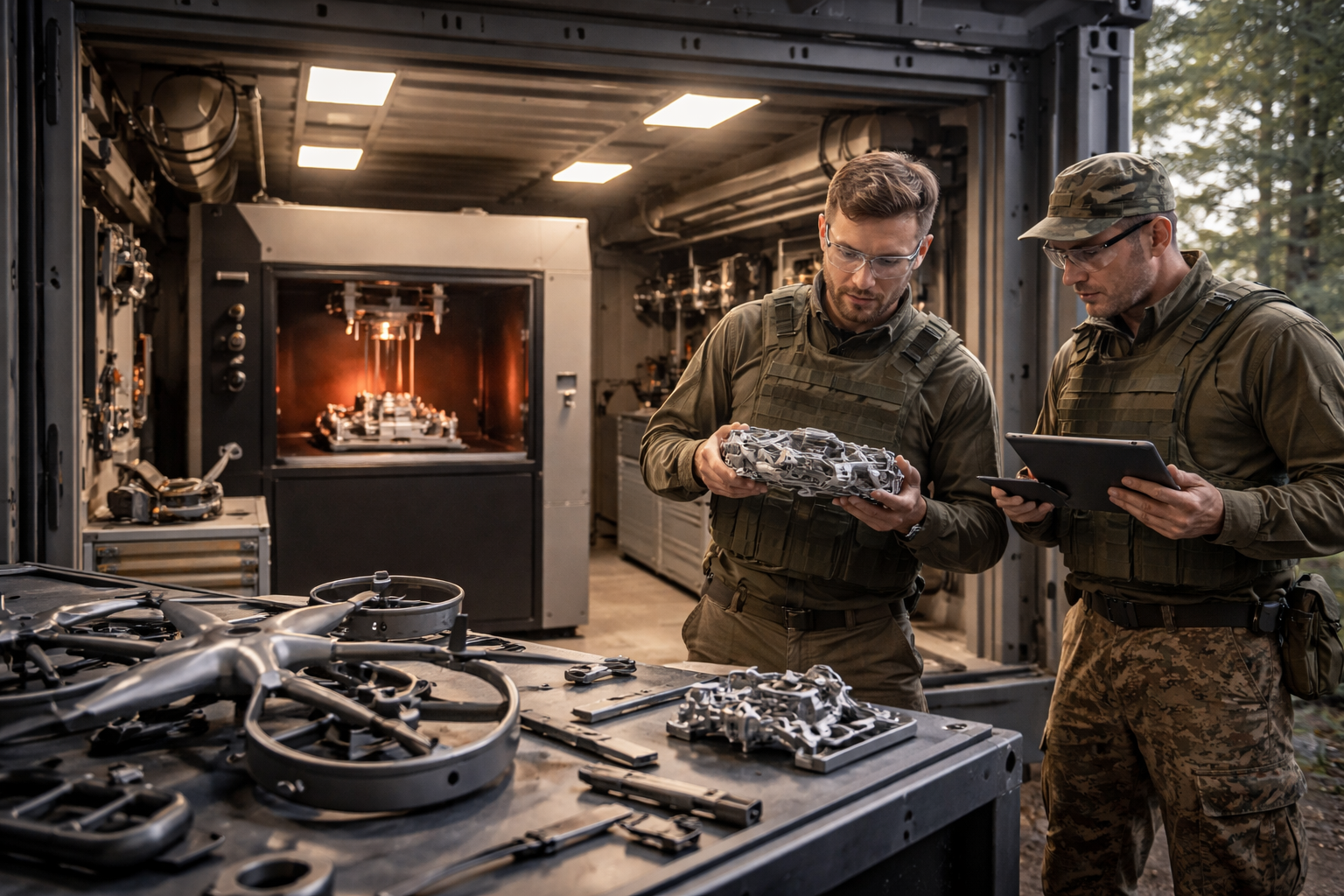
Renault and Thales are industrialising France’s Toutatis loitering munition programme. Production could reach 1,000 units per month from 2027, bringing automotive manufacturing methods into a defence market shaped by drones, stockpile pressure, and high-intensity conflict.
-
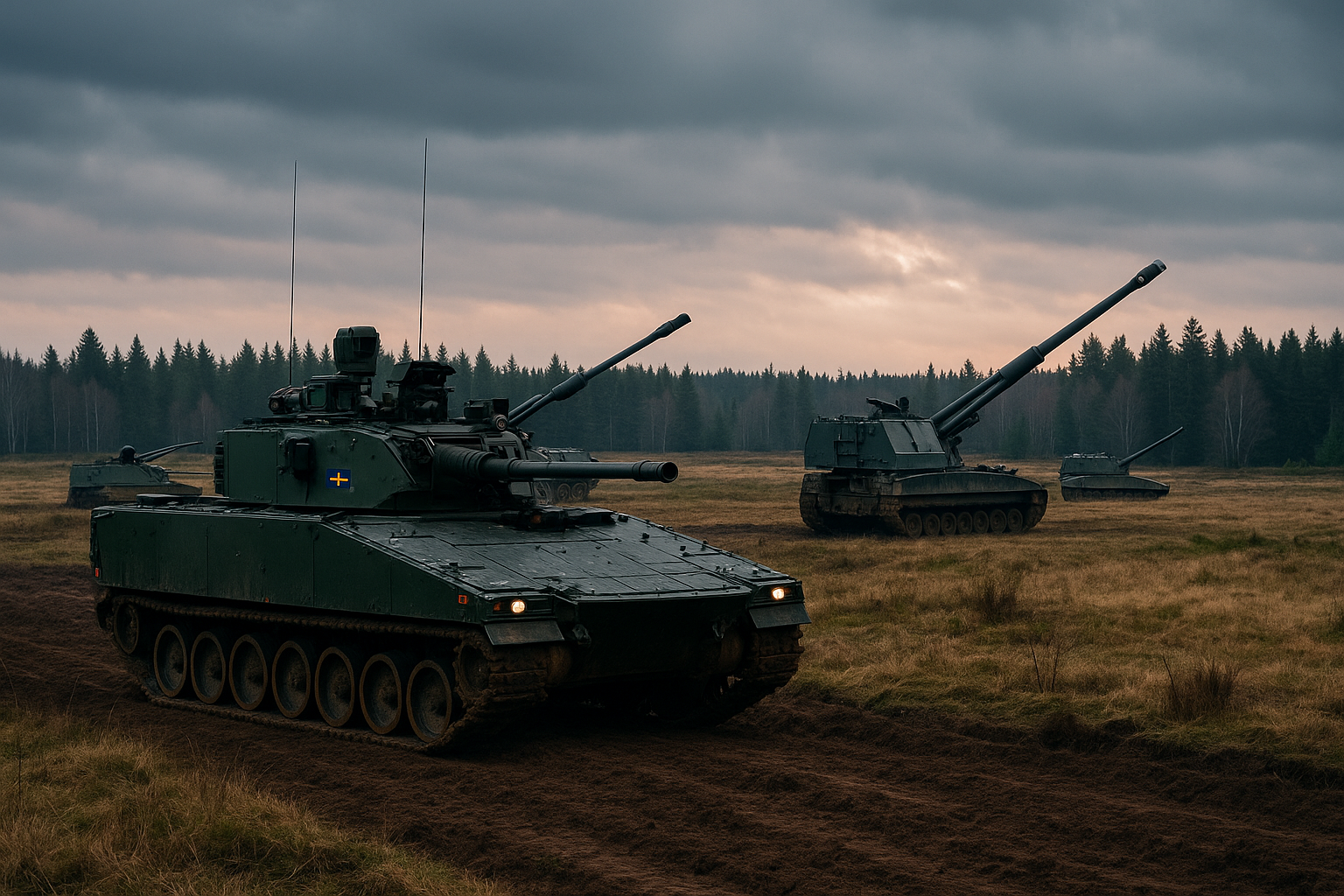
Rolls-Royce is taking hybrid propulsion into heavy armour design planning. The mtu PowerPack Xelerate combines a 10V 199 engine with ZF’s electrified gearbox, giving future tracked vehicles higher electrical power, drive-by-wire readiness, and a route toward unmanned operation.
-

Marshall will support HUMVEE users under an AM General agreement. The arrangement gives the UK Light Mobility Vehicle bid a stronger domestic sustainment layer, covering diagnostics, parts, maintenance support, and through-life service capacity.
-

ASELSAN has now brought DRONEDEF into the counter-UAS market segment. The system combines radar, jamming, laser, high-power electromagnetic effects, interceptor drones, and airburst weapons, reflecting the shift from isolated counter-drone products to integrated production architectures.
-
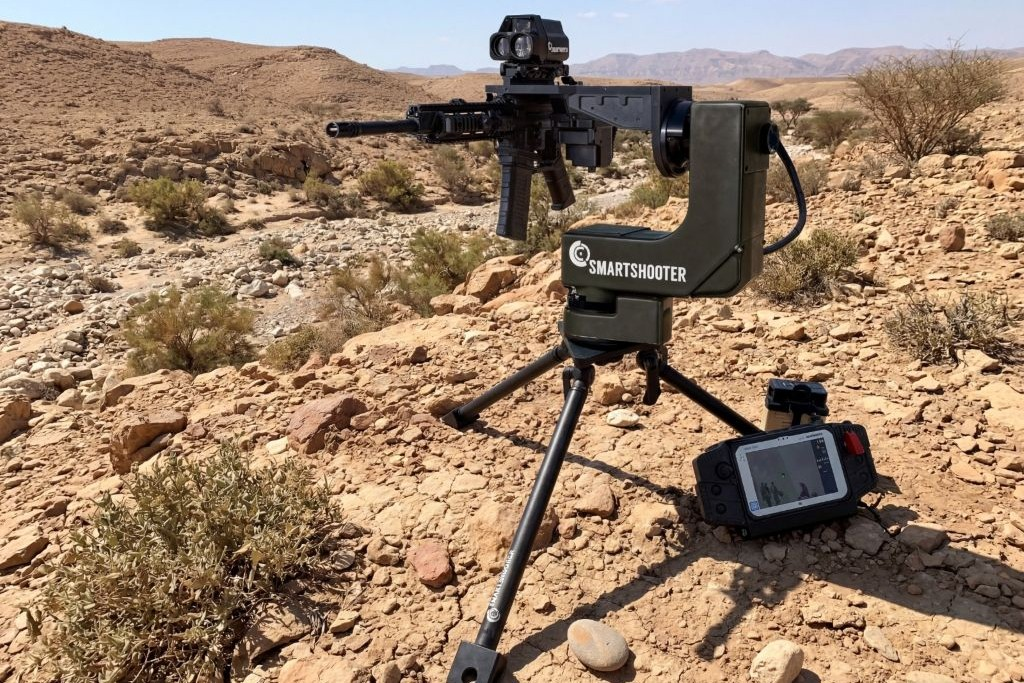
Israel is expanding compact remote fire-control production for deployed forces. The SMASH Hopper order covers systems, spares, and services, strengthening a growing class of lightweight precision-fire equipment for vehicles, fixed positions, and unmanned platforms.
-
Indra’s mobile radar brings counter-battery sensing onto a truck platform. The AESA MTR family supports land, air, and coastal surveillance.
-
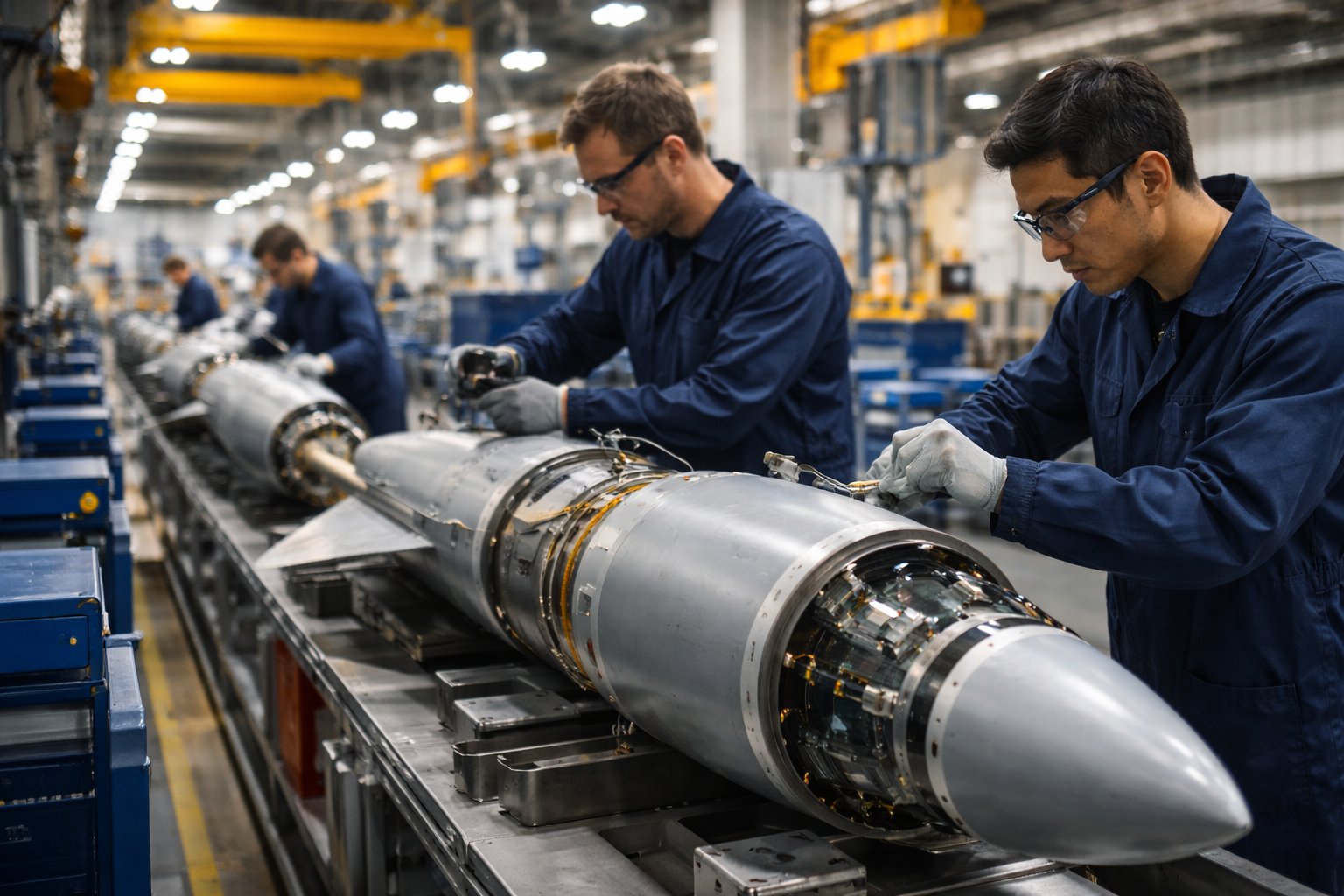
Vektrex gives allied artillery production a precision co-manufacturing test case. Rheinmetall and General Atomics are exploring distributed 155mm output.
-
UK funding will turn Ukraine drone demand into production volume. The package also covers missiles and radars for layered air defence.
-
Kanpur will anchor India’s new military drone production ecosystem now. The hub adds payload, networking, ground-station, and counter-drone capacity.