IN Brief:
- Schemata's $3.25 million AFWERX funding comprises an initial $1.25 million contract and a subsequent $2 million extension.
- The company produces interactive three-dimensional equipment models with an AI instructor to support preparation for practical inspections.
- The programme has expanded from the 97th Logistics Readiness Squadron at Altus to nine Air Force installations across five major commands.
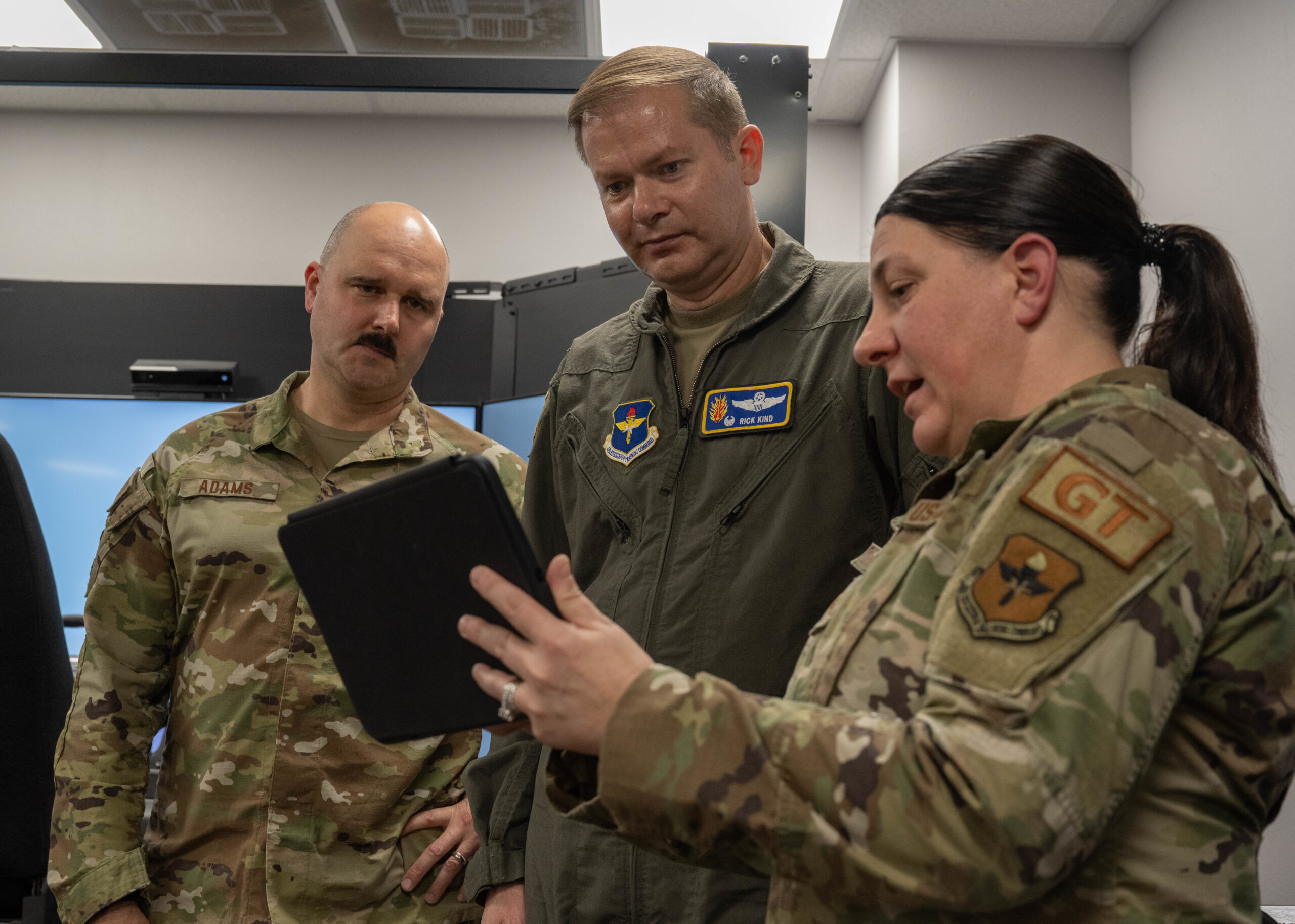
Schemata has secured US Air Force contracts worth a combined $3.25 million to expand a virtual equipment training platform that combines interactive three-dimensional models with AI-assisted instruction. The programme, funded through the Air Force’s AFWERX innovation organisation, began at Altus Air Force Base and has since expanded to nine installations across five major commands, providing personnel with a way to practise equipment inspections before completing practical assessments.
The funding consists of an initial $1.25 million contract followed by a $2 million extension, both of which Schemata describes as fully funded and tied to milestone deliverables. Its original work involved two types of civilian equipment used by the 97th Logistics Readiness Squadron at Altus. The company has subsequently made training modules available at other bases, including Ramstein, Nellis, Andrews, Langley and Whiteman, without additional charges under the existing programme. The October announcement does not identify a separate contract value for each installation or disclose the total number of personnel using the system.
Each module contains a photorealistic digital representation of equipment that users can examine and interact with during a simulated inspection. An AI instructor provides guidance and responds to questions, allowing personnel to work through the training material without requiring a qualified instructor to supervise every step. The system is intended to support preparation for hands-on equipment certification, rather than replace practical testing on the real asset. Schemata has not published the complete inventory of equipment models now available to the participating Air Force units.
The original requirement arose from limitations on the availability of physical training equipment and instructors. According to the company, classes of 20 or more personnel were sharing a small number of training assets, sometimes requiring ten people to gather around one item of equipment. This constrained the time available for individual practice, even where personnel understood the procedures they were expected to perform. A digital representation allows trainees to revisit component locations and inspection sequences while the physical equipment remains available for other work.
Building such a module requires an accurate representation of the equipment and the identification of components that users need to inspect. Schemata describes a process in which physical assets are captured, converted into three-dimensional models and divided into meaningful components. Technical information can then be linked to those components, allowing the instructional interface to guide a user through a procedure in the context of the equipment being examined. The usefulness of the result depends on the accuracy of the model and the relationship between its interactive content and the approved inspection instructions.
Changes to physical equipment create corresponding responsibilities for maintaining the digital training material. Components can be replaced, maintenance procedures revised and safety instructions updated, requiring changes to the model or its associated guidance. A module that no longer reflects the equipment used by a particular unit could reinforce an incorrect procedure. Schemata has not disclosed the detailed verification and configuration management arrangements used across the nine installations, making continuing oversight of the training content an important aspect of wider deployment.
The AI instructor adds another requirement because its responses must remain consistent with the applicable training material. Generative software can provide explanations in a conversational format, but an answer that sounds plausible is not necessarily an authorised maintenance instruction. The source material and controls used to govern responses therefore influence the suitability of this approach for military equipment training. The company identifies its ability to meet demanding Air Force cybersecurity requirements as one reason for the initial selection, although it has not disclosed the architecture of the instructional model or the procedures used to validate each response.
Schemata has reported reductions of 12 to 20 hours in instructor time, a doubling of instructor-led training capacity and increased confidence among all personnel surveyed about their experience using the platform. These are company-reported results from the programme, without publicly available details of the sample sizes, measurement periods or independent assessment methods. They indicate the outcomes Schemata attributes to its deployments but cannot establish that identical improvements will occur for every type of equipment or at every Air Force installation.
Virtual inspection also has limitations that affect its relationship with physical training. A three-dimensional model can show where a component is located and how a procedure should progress, but some defects require touch, measurement or observation of equipment operating under load. Corrosion, unusual movement, damage and other conditions may not correspond precisely with the examples represented in a training module. Personnel therefore continue to require practical assessment on the real equipment, supported by qualified instructors and the relevant technical documentation.
Expanding the modules to additional locations requires control over user access, software compatibility and the equipment configurations represented at each base. Units may have different versions of similar assets, creating a need to establish which training model corresponds to the equipment in service. New users also need suitable devices and technical support to access the material. Although the company has extended access without additional government charges under the current agreements, that does not establish the cost or contractual arrangements for future modules or programmes.
James Brown, Schemata’s co-founder and chief executive, said Air Force personnel had contributed to the platform’s development alongside the company’s engineers. He identified the new funding as an opportunity to extend the capability beyond the original wing. Schemata is discussing additional applications with Air Force organisations, potentially involving other equipment and facilities, but has not announced contracts covering every proposed use or confirmed that the platform can substitute for existing technical qualification requirements.
The $3.25 million programme provides an established funding basis for expanding training material that has already been introduced at operational Air Force facilities. Further progress will depend on how accurately new equipment is represented, how instructional content is maintained and whether the reported benefits are sustained as the number of users grows. The next measurable developments will be additional verified training modules, expansion under approved contracts and evidence from subsequent practical assessments.