IN Brief:
- Parsons reports a cumulative $250m booked against its five-year US Cyber Command Joint Cyber Hunt Kit agreement.
- The agreement carries a $750m ceiling; that maximum is not equivalent to bookings, revenue or kit deliveries.
- SealingTech received the full-rate production award in August; the new development is the October financial disclosure.
Parsons Corporation has booked $250 million against its five-year US Cyber Command Joint Cyber Hunt Kit (JCHK) agreement, giving a newly disclosed measure of contractual activity on the deployable defensive cyber programme. The company also reports that production is running at full rate under the agreement, which has a ceiling of $750 million. SealingTech, the Parsons subsidiary responsible for the programme, secured its full-rate production award in August; the October development is the cumulative bookings figure disclosed alongside Parsons’ third-quarter results.
The ceiling establishes the maximum potential value available through the current contracting vehicle, not an amount automatically committed for expenditure. Parsons’ $250 million in bookings reflects business recorded against that agreement to date; it is not described as a single third-quarter order and cannot be equated directly with recognised revenue. The results also do not attach a unit count, kit delivery schedule or per-system price to the cumulative figure. These distinctions matter when assessing the scale of activity already secured compared with the broader contracting capacity still available.
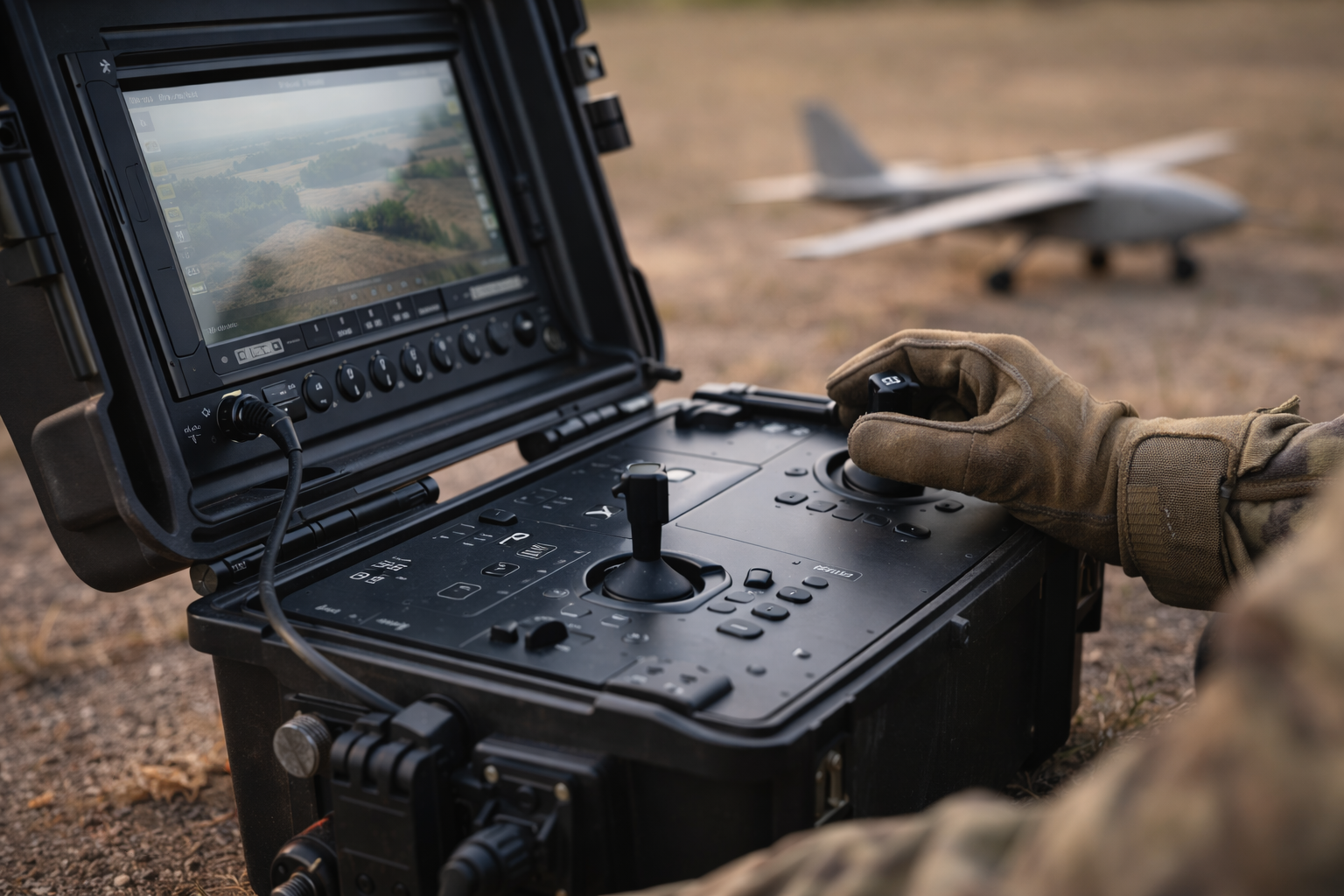
SealingTech is the sole prime contractor for JCHK production. The system provides a transportable set of computing, networking and analysis resources for US military Cyber Protection Teams carrying out defensive operations away from permanently equipped security centres. The Defense Innovation Unit has described the programme’s requirement as a mobile security operations centre that a nine-person team can move and operate. JCHK is intended to support cyber hunt activity where teams have limited access to conventional infrastructure or cannot rely on sending information to an external location for analysis.
A deployable cyber capability requires more than equipment small enough to travel. Processing and storage capacity, network interfaces, security software and controlled system images must function together after transport and setup, including in disconnected or contested environments. SealingTech uses a modular hardware approach derived from its portable edge-computing and Cyber Fly-Away Kit experience. That architecture provides a basis for configuring equipment to a mission, but Parsons has not assigned published processor specifications or component quantities to kits supplied under the current production arrangement.
The procurement followed a prototype selection process led by the Defense Innovation Unit in February 2025, when SealingTech and two other businesses received development opportunities. Subsequent prototype work included accreditation, training and testing. US Cyber Command then issued an intent-to-award notification in February 2026 referencing a possible $500 million contracting ceiling. The five-year production agreement secured in August instead carried a $750 million ceiling and named SealingTech as the sole prime contractor. The newly disclosed bookings are measured against that existing agreement rather than a fresh October award.
Production at scale introduces configuration and supply considerations beyond prototype development. Computers, network components and software versions need controlled build records so kits assembled at different times can be supported consistently. Acceptance and accreditation processes have to accommodate changes to hardware and software without losing the established security baseline. Parsons’ production status confirms the manufacturing phase, but the company has not specified output per month, quantities accepted by US Cyber Command or the physical composition of an individual JCHK shipment.
The programme has incorporated allied operational requirements during its development. The Defense Innovation Unit worked with the UK’s Joint Defensive Cyber Unit and Australia’s Joint Capabilities Group to exchange requirements and testing experience, and representatives from both countries were involved in the prototype selection process. Cooperation on specifications is distinct from procurement. Parsons has attributed the current agreement to US Cyber Command; no new British or Australian purchase can be inferred from the $250 million bookings figure.
Parsons’ wider financial results show why the new number is significant within the company’s federal business while remaining separate from programme deliveries. Third-quarter revenue was approximately $1.7 billion, up 2 per cent year on year, and total backlog reached $9.4 billion, including $6.8 billion funded. The company recorded $1.8 billion in net bookings during the quarter across its operations. These corporate totals reflect several programmes and business segments rather than a direct financial breakdown of JCHK production costs, margins or cash receipts.
The five-year agreement provides room for further orders under its ceiling, subject to US Cyber Command’s requirements and the contracting process. SealingTech’s earlier prototype and production milestones establish how the programme reached its current stage; Parsons’ October disclosure puts a cumulative $250 million figure against that production activity. Future information on order timing, kit acceptance and deliveries will establish how recorded bookings translate into equipment and realised sales. For now, the remaining ceiling capacity is potential contract value, not a confirmed purchase commitment.