IN Brief:
- AMETEK Programmable Power has received a requirements contract with a maximum value of $29.78m for VDATS instrumentation kits.
- The equipment supports assembly of modular test stations using VME Extensions for Instrumentation technology.
- Work is scheduled through October 2031, with no funding obligated when the contract was awarded.
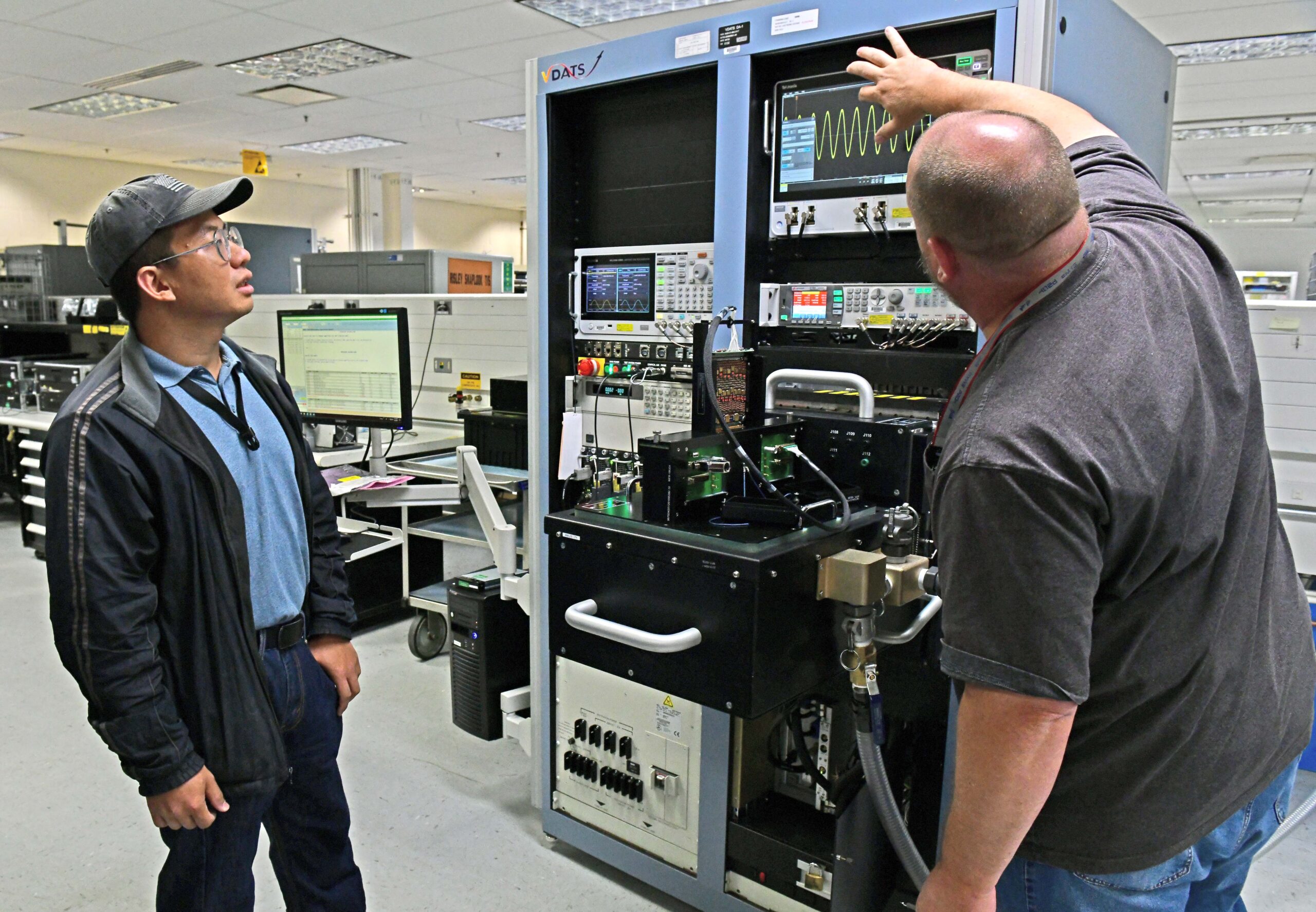
AMETEK Programmable Power has secured a US Air Force requirements contract with a maximum value of $29.78 million to supply instrumentation kits for Versatile Diagnostic Analog Test Stations. The equipment will support assembly of the Air Force’s established VDATS testing systems, with work scheduled in California and Georgia through October 2031.
The $29,779,727 firm-fixed-price requirements contract, FA8579-27-D-0001, was awarded through a sole-source acquisition administered by the Air Force Sustainment Center at Robins Air Force Base. Work will take place in San Diego and at Robins, with completion expected on 29 October 2031. No funds were obligated at award, and subsequent expenditure will depend on orders placed under the contract.
The kit requirement concerns an existing modular test architecture rather than development of a completely new diagnostic platform. The Air Force’s wider VDATS programme, referred to in its maintenance and engineering material as the Versatile Diagnostic Automatic Test Station, was developed to support multiple avionics testing workloads through common equipment. The October contract specifically uses the Analog Test Station designation for the kits being procured.
VDATS uses an open architecture incorporating VME Extensions for Instrumentation, or VXI. This technology allows different electronic instruments to operate within a compatible test environment, with software controlling the sequence of measurements and the signals applied to equipment under examination. The station can be configured for different maintenance tasks by combining the relevant instrumentation, interfaces and test programmes.
Aircraft electronics frequently require examination under electrical conditions that reproduce parts of their normal operating environment. A test system can apply controlled signals, measure the response of an electronic assembly and compare the results with defined limits. The process helps technicians identify equipment that requires investigation or repair before it can be returned to service.
The usefulness of a common test station depends on how its hardware and software are combined. One avionics component may require a particular voltage or signal pattern, while another needs different measurements or timing arrangements. A modular system allows engineers to configure suitable instruments for each workload, provided the associated test programme and interfaces have been developed and approved.
VXI provides one of the hardware foundations for that approach. Compatible instruments can be connected within a common system and controlled through defined interfaces, reducing the need to build an entirely separate test installation for every type of electronic assembly. The architecture still requires specialist hardware where a particular maintenance task cannot be performed using the standard instrument configuration.
VDATS originated within the Air Force’s depot maintenance organisation and has been developed through cooperation between engineering and sustainment teams. Robins Air Force Base plays a major role in maintaining the system and supporting the test programmes used across different aircraft platforms. Its engineering personnel develop and sustain software that allows approved equipment to be examined through the relevant station configuration.
The Air Force has described VDATS as a modular, commercially based automatic test system capable of supporting depot and intermediate maintenance. Its common software environment is intended to encourage consistency across the different test programmes hosted by the equipment. Individual workloads nevertheless retain their own technical requirements, making configuration control essential when instruments, adapters or software are changed.
A test programme must identify the correct measurement sequence and the operating limits applicable to the equipment being examined. The station then controls the instrumentation and records the resulting data, allowing technicians to determine whether a component behaves as expected. Where the test indicates an abnormal condition, further engineering work may be required to establish which part of the assembly is responsible.
Accurate results depend on the measurement equipment remaining within its calibration requirements. Instruments must produce or measure signals with the necessary precision, while connections to the equipment under test must preserve the relevant electrical characteristics. A fault in the test station can otherwise create misleading results even when the avionics component itself is operating correctly.
Replacing obsolete instrumentation presents a further engineering challenge. Electronic test products may be discontinued while the aircraft and maintenance systems they support remain in service. A replacement instrument must provide the required functions and operate with existing software and interfaces, or the approved test configuration must be revised and evaluated before routine use.
AMETEK’s role in supplying approved kits therefore supports continuity of the installed equipment baseline. The company manufactures programmable electrical test and power equipment, while related businesses within the group provide modular instrumentation used in engineering applications. The contract does not identify the individual products included in each kit, preventing the award value from being assigned to particular catalogue items.
Assembly of a complete VDATS station requires the correct instruments, chassis, interfaces and software to be available together. Each element must meet the applicable configuration requirements before the system can be accepted for its intended maintenance workload. Procuring instrumentation through an established supplier provides one part of that process, while government engineering teams remain responsible for the broader test station and its supported applications.
Robins personnel have also worked on making diagnostic capability more accessible outside traditional depot facilities. A separate development effort involving Robins and Hill Air Force Base has explored deploying suitable VDATS functions closer to operational aircraft. That initiative is distinct from the October AMETEK supply contract, which identifies instrumentation kits for assembly of established stations.
The Air Force has awarded other VDATS equipment contracts during 2026, including separate arrangements with Rohde & Schwarz and Teradyne. Those procurements involve different suppliers and contractual scopes within the broader diagnostic equipment programme. Their values should not be combined with the AMETEK contract to suggest a single new acquisition unless the Air Force establishes that programme total separately.
The October agreement provides a mechanism for ordering approved instrumentation as requirements arise through 29 October 2031. Its $29.78 million maximum defines the upper value of the contract, not the amount already spent or a confirmed quantity of completed stations. Individual orders will determine the equipment delivered and the funding committed during the five-year period.
AMETEK’s supply arrangement will support the continuing assembly and maintenance of modular avionics diagnostic systems at Robins. The equipment’s role is to preserve the availability of qualified test instrumentation, enabling the Air Force’s engineering and maintenance organisations to sustain the electronic systems already used across its aircraft fleets.