IN Brief:
- Lithuanian and Latvian forces coordinated airspace arrangements during the final DiBaX 2026 trials.
- Lithuanian reconnaissance and combat drone systems were tested for compatibility with national and allied digital networks.
- The experiments enabled information exchange and tracking of some participating aircraft, identifying requirements for further integration.
NATO Allied Command Transformation has completed a series of multinational technology trials in Latvia, with Lithuanian and Latvian forces testing the coordination of unmanned aircraft across national boundaries. The closing DiBaX 2026 activities examined how military drones, surveillance information, and digital command systems could operate together despite differences in national equipment and procedures.
Held between 19 and 30 October, Digital Backbone eXperimentation brought allied military organisations and technology suppliers together to evaluate the practical integration of communications and command equipment. Lithuanian land forces took part in the final exercises, working with Latvian personnel and NATO partners to coordinate airspace arrangements and exchange information from unmanned aircraft.
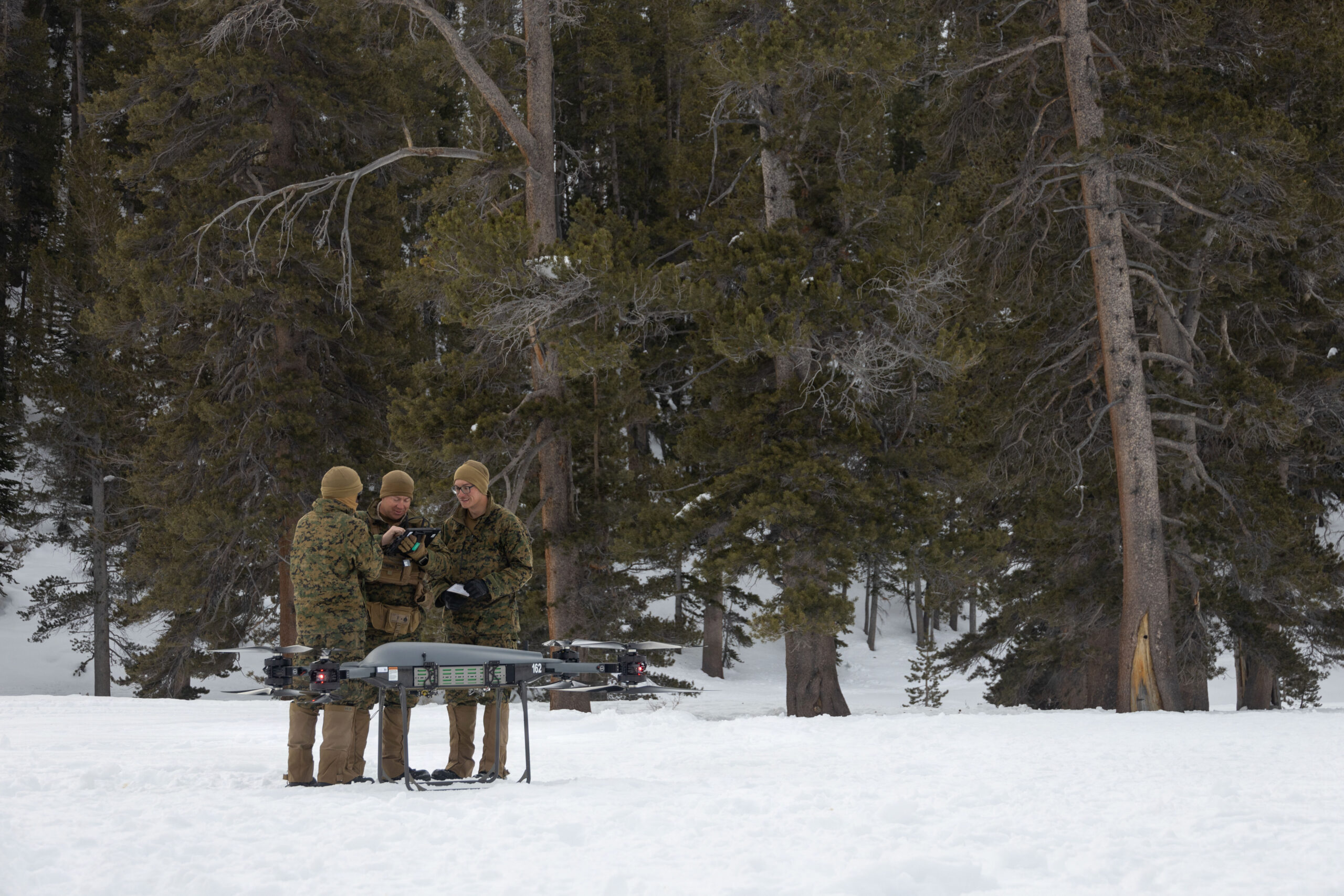
Lithuanian personnel launched drones and carried out practical tests from their own territory, using systems developed by domestic defence technology companies. The work involved reconnaissance and combat unmanned aircraft, whose compatibility with Lithuanian military networks and NATO partner systems was evaluated. Integrating those platforms allowed the participating organisations to exchange surveillance observations and improve their understanding of activity within the exercise area.
The forces coordinated the airspace arrangements needed to conduct the trials. This included aligning procedures between the two countries while operating equipment linked to different national command and information systems. Lithuanian military authorities confirmed that the available equipment and shared information enabled personnel to observe some participating aircraft and track their movements.
Those results establish a practical exchange of surveillance information, although the military account does not identify the number of aircraft tracked or confirm complete integration of every participating system. The trials were intended to identify the capabilities already available and the additional work required to improve cross-border coordination.
Connecting national drone systems requires more than a communications link. Information generated by one aircraft must be represented in a form that can be interpreted by the receiving system. Position, identification, timing, and other observations need to remain associated with the correct aircraft, while command applications must determine how to display or use the information under the applicable operational arrangements.
Differences between national platforms can complicate that exchange. A drone manufacturer may use its own ground-control software, sensor formats, and communications interfaces, while a military organisation may operate several separate applications for surveillance and command. Integration equipment must provide the necessary connections between those systems without altering the meaning of the information being exchanged.
The DiBaX trials addressed these requirements through practical cooperation between military users and technology developers. Lithuanian companies supplied unmanned aircraft systems for evaluation, while national and NATO partners provided the broader digital environment. The resulting tests examined whether information could move between those components and support a shared view of the aircraft operating in the area.
Information exchange also depends on the quality and continuity of communications. Delays or interruptions can affect the usefulness of an aircraft position report, particularly when the aircraft is moving. A receiving system needs to know when information was generated and whether it remains suitable for the task being undertaken. The experiments demonstrated aspects of observation and tracking but did not publish measured data latency or network availability.
Although the cross-border coordination was the latest disclosed result, it formed part of a larger NATO programme focused on resilient digital infrastructure. DiBaX 2026 also examined commercial 5G equipment, satellite communications, and integration of sensors with command-and-control systems. These technologies provide potential routes for connecting military equipment that would otherwise depend on separate communications arrangements.
The NATO Communications and Information Agency tested the use of 5G network slicing, which allows different logical services to operate over shared telecommunications infrastructure. Such arrangements can support designated communications requirements without assigning a separate physical network to every user. Their effectiveness still depends on the underlying radio and transport equipment, together with the controls applied to each service.
NCIA also examined the management of radio spectrum when several systems require access to overlapping frequency ranges. Its experimental deconfliction software allowed participating radios to adjust operating frequencies as demands changed, with frequency switching observed within seconds. This work addressed one of the practical constraints affecting communications between mobile military systems in congested electromagnetic environments.
The same experimentation programme included a connection between an NCIA 5G system and European Space Agency satellite communications infrastructure. Applications at ESA’s European Space Research and Technology Centre in the Netherlands communicated with systems taking part in the Latvian trials. The experiment provided another example of information moving between geographically separated networks through an integrated arrangement.
Counter-drone systems were also tested within NATO’s command architecture. Sensors, defensive equipment, and command applications must exchange compatible information if their separate functions are to support coordinated operations. Trials involving different drone sizes examined detection and potential interception capabilities, while the communications work considered how information could be passed between the systems involved.
The Lithuanian–Latvian activities supplied a national interoperability example within this wider technical programme. Rather than assessing one sensor or radio in isolation, the forces attempted to combine actual unmanned aircraft, shared airspace arrangements, and separate military information systems. The outcome identified functions that could already be coordinated and further development needed to strengthen the connections.
Latvia’s defence ministry worked with NATO Allied Command Transformation and the national armed forces to organise the event. LMT Defence provided technology integration and supporting infrastructure, bringing commercial communications expertise into an exercise that also involved military equipment suppliers and operational users.
The 2026 trials concluded with evidence of cross-border drone coordination and the exchange of surveillance data between participating systems. Further engineering and military evaluation will determine how those arrangements can be extended to more equipment types and used consistently across national command structures. The next development work will concentrate on the compatibility and operational controls needed to move from limited experimental connections towards repeatable allied interoperability.