IN Brief:
- Bell has secured a $114.69m modification under its existing H-1 SPINE Phase III contract.
- The award provides 15 A-kits, four mission kits, nine aircraft installations, and associated equipment and support.
- The wider modernisation programme covers up to 49 helicopters, with initial upgraded fleet deliveries expected in 2028.
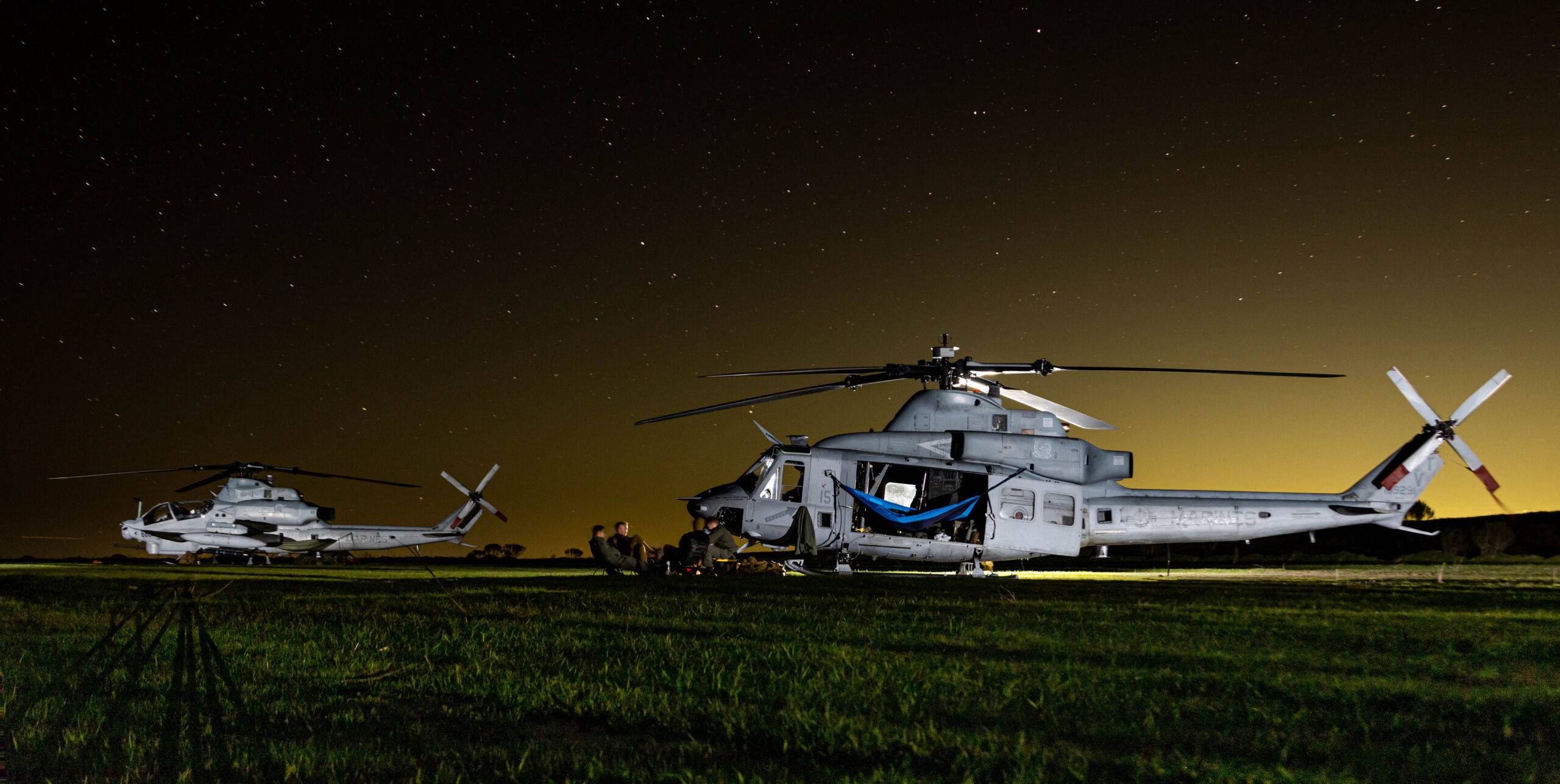
Bell Textron has secured a $114.7 million US Navy contract modification covering further structural and electrical power improvements to Marine Corps AH-1Z Viper and UH-1Y Venom helicopters. The award exercises an option under the existing Structural and Power Improvements for NextGen Effects programme, providing additional equipment and installation work as the service prepares to introduce upgraded aircraft into its operational fleet.
The $114,692,840 modification, P00001, forms part of contract N00019-26-C-0140 and covers 15 A-kits, four mission kits, nine aircraft installations, long-lead components, associated materials and labour, and spare parts. The full modification value is being obligated from fiscal 2027 Navy aircraft procurement funding. Work is scheduled for completion in June 2028.
Bell’s programme, known as SPINE, is intended to increase the electrical capacity of the H-1 helicopter family while introducing structural improvements needed for additional mission equipment. The AH-1Z provides attack capability, while the UH-1Y supports utility and transport requirements. Both aircraft share elements of the H-1 design, allowing the modernisation programme to address common engineering requirements while accommodating differences between the variants.
The Marine Corps’ existing helicopters must support equipment introduced after their original configurations were established. New defensive systems, communications equipment, sensors, and network-enabled weapons place additional demands on electrical power and onboard interfaces. SPINE provides an upgraded electrical architecture and structural provisions intended to accommodate these systems, reducing the limitations imposed by the earlier aircraft configuration.
Electrical capacity influences the equipment that can operate simultaneously aboard an aircraft. Generating and distributing additional power involves more than installing a higher-output source, because associated wiring, protection devices, and equipment interfaces must remain compatible with the approved configuration. Power loads also have to be managed alongside the helicopter’s existing systems, making testing of the complete installation necessary before the aircraft can return to service.
Structural improvements address the physical installation of additional equipment. Aircraft components and mission systems must be secured using approved mounting arrangements, with the resulting installation evaluated for its effects on the airframe and surrounding equipment. Any modification can introduce new requirements for access, inspection, and maintenance, particularly where additional hardware occupies spaces already used by existing aircraft systems.
SPINE provides the foundation for Bell’s broader Series A capability development. The manufacturer identifies increased aircraft electrical power, improved defensive systems, and digital interoperability as principal elements of that future configuration. Series A also includes plans for an advanced data bus, Link 16 connectivity, and integration of network-enabled weapons, allowing the upgraded helicopters to exchange information with other appropriately equipped military platforms.
The electrical and digital elements serve different purposes. Additional power supports the operation of installed equipment, while compatible data interfaces allow mission information and control signals to move between aircraft systems. Link 16 provides a separate tactical information exchange capability, whose operation depends on approved communications equipment and integration with the aircraft’s wider mission architecture.
Bell has described the upgraded data architecture as an enabler for longer-range, network-enabled weapons and sensors. Such capability depends on the aircraft being able to receive and process relevant information from other platforms and present it through suitable onboard systems. The October modification funds defined SPINE equipment and installation work, rather than confirming that every Series A function has already been integrated or qualified for operational use.
The newly exercised option follows the July 2026 award of a contract with an estimated value of approximately $300 million, including its available options. Bell identified a potential programme covering 49 aircraft, comprising 21 UH-1Y helicopters and 28 AH-1Z helicopters. That figure represents the wider fleet modification scope and should be distinguished from the installation and kit quantities covered by the October contractual action.
Development work had already produced upgraded aircraft before the current production phase. Bell completed structural and electrical modifications on an AH-1Z and a UH-1Y, with the aircraft transferred from its Amarillo Assembly Center to Naval Air Station Patuxent River for further flight testing. Those initial aircraft allowed the programme to assess the modified configuration before introducing the changes across a larger number of operational helicopters.
The first two modified aircraft form part of a transition from engineering development to repeatable installation activity. A production modification programme requires consistent assembly instructions, approved components, appropriate inspection arrangements, and testing against the authorised aircraft configuration. Installation packages must also be coordinated with the maintenance and operational availability of individual helicopters.
Manufacturing work under the latest option will be distributed across Bell facilities and specialist suppliers. Fort Worth accounts for 38.1% of the contracted activity, while Amarillo represents 28.7%. Additional work is allocated to facilities in Arizona, Michigan, Oklahoma, California, New Hampshire, Florida, Illinois, and other locations. The distribution reflects a programme involving specialised components and engineering functions beyond the final aircraft installation site.
Long-lead components are included in the award because some equipment must be ordered or manufactured before the associated installation work can begin. Delays in receiving approved parts can interrupt the modification sequence even where aircraft and technical personnel are available. The procurement of materials and spare parts alongside installation services therefore supports the planned transition to a larger production programme.
The 15 A-kits, four mission kits, and nine installations are separate contract deliverables. Their quantities cannot be added together to determine the number of helicopters being upgraded, since the equipment may be purchased, delivered, or installed at different stages. The contract record also does not identify the individual aircraft receiving each kit.
Bell expects fleet modification work at Amarillo to begin during 2027, with the first upgraded operational aircraft scheduled for delivery in 2028. The June 2028 completion date attached to the latest option provides a separate contractual reference. Aircraft modifications, flight testing, acceptance, and subsequent operational introduction will need to be coordinated as the programme progresses.
The award continues the production preparations established under the existing SPINE contract, with $114.7 million committed to defined equipment and installation work. Its delivery arrangements support the introduction of additional electrical and structural capability across the H-1 fleet, while later Series A integration and operational qualification remain subject to their respective programme milestones.