IN Brief:
- Babcock is one of five priority proponents progressing memoranda of understanding for Western Defence Forge.
- The company proposes uncrewed aircraft production as an anchor activity at the planned manufacturing hub.
- Western Australia received 179 expressions of interest from domestic and international organisations.
Babcock Australasia has been selected as one of five priority proponents for Western Australia’s planned Western Defence Forge, where it is proposing uncrewed aircraft manufacturing as a possible anchor activity. The company is progressing a memorandum of understanding with the state government alongside OQ Technology and AROSE, Thales Australia, NIOA and Honeywell.
Babcock Australasia has not identified the aircraft, manufacturing rate, customer or capital investment attached to its proposal, so priority proponent status remains an entry into detailed negotiations rather than a tenancy or production contract. Those discussions are intended to examine industrial activity, workforce requirements, jobs and participation by local suppliers before either side commits to a final manufacturing model.
Those negotiations sit inside a much larger development process because Western Australia received 179 expressions of interest for the precinct, including 118 from local businesses and 41 from international organisations. The first five priority proponents span advanced manufacturing, autonomous systems, guided weapons, communications, aerospace and space, suggesting the site is intended to support several industrial disciplines rather than one dominant programme.
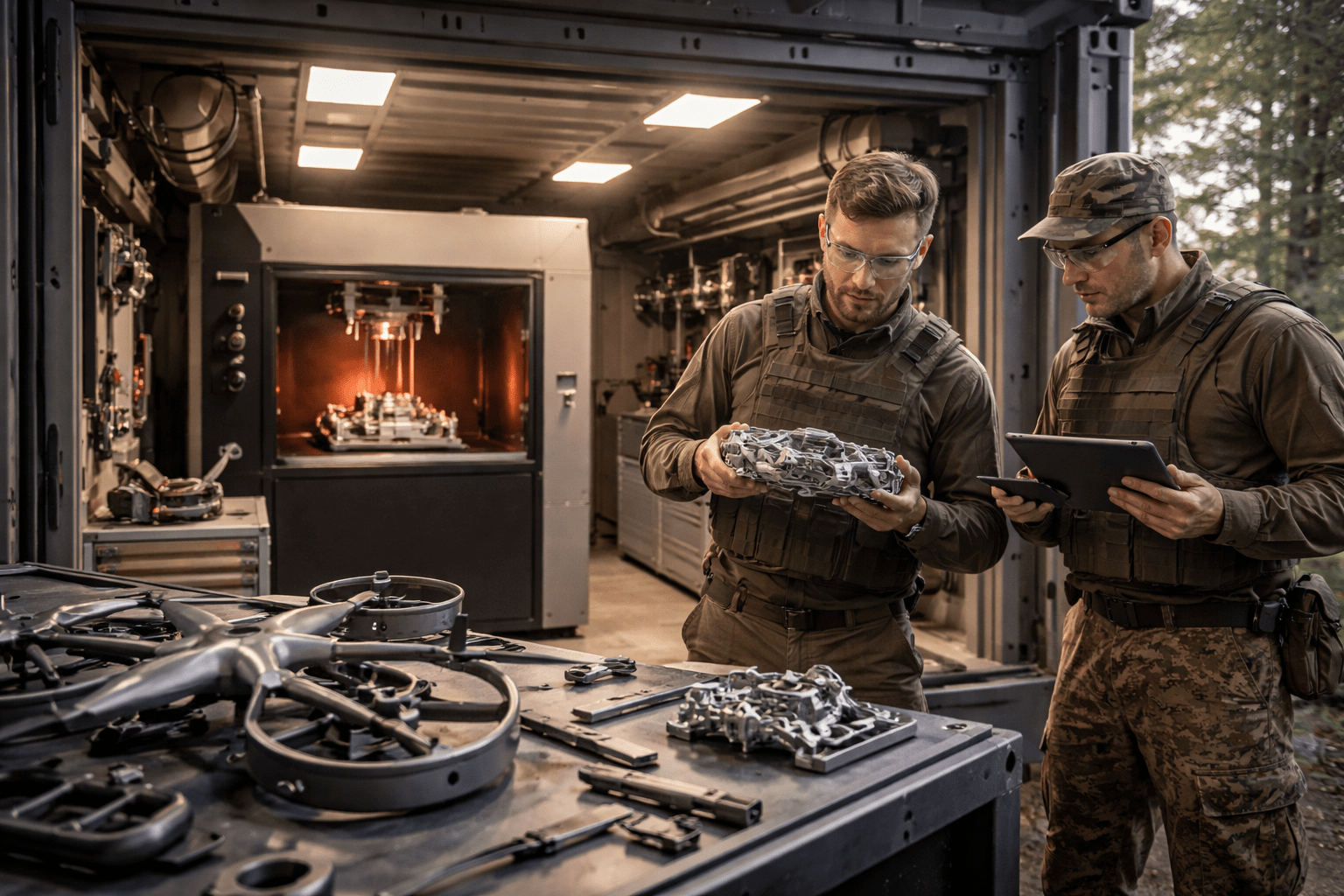
For Babcock, the eventual aircraft selected for production will determine much of the infrastructure required because different classes of uncrewed system impose very different demands on a factory. A small electric aircraft can use comparatively light structures and electronics equipment, whereas a larger platform may require substantial tooling, controlled production areas, propulsion infrastructure and formal airworthiness processes.
The production flow would also depend on how much of the aircraft is manufactured at the site rather than delivered as finished assemblies. Structural work, electronics installation, software loading, communications checks and final acceptance each require different equipment and skills, while any flight test activity has to be linked to approved procedures and configuration records. Those requirements can change substantially with aircraft size, propulsion type and mission system complexity.
Where several companies occupy the same precinct, some of those costs can be shared if the underlying requirements overlap. Secure data systems, controlled storage, test equipment and specialist suppliers can support more than one programme, while clustering several primes in one location may give smaller manufacturers enough aggregate demand to serve multiple customers instead of depending on a single contract.
Pooling facilities and suppliers can reduce duplication without removing the controls specific to each programme. Aircraft configuration, software, production records and acceptance criteria must remain traceable to the relevant customer and design authority, so common infrastructure can support several programmes while engineering and quality responsibility stays separated.
Western Defence Forge also builds on an existing defence base around Henderson and naval sustainment rather than attempting to create an industrial cluster in isolation. The state intends the precinct to broaden that base into additional manufacturing disciplines, with workforce development and local supplier participation included in negotiations with priority proponents.
Converting expressions of interest into functioning production will depend on land, utilities, security requirements and commercial terms, but sufficient customer workload will be equally important. A manufacturer needs enough committed work to justify relocating staff and equipment or installing new capacity rather than continuing production elsewhere, particularly where specialist tooling has little value outside the programme for which it was purchased.
Babcock’s proposed UAS operation will therefore be shaped by the demand attached to the eventual aircraft. Recurring Australian orders, export work or several related products sharing equipment could support an enduring line, whereas a limited initial programme could leave dedicated capacity underused once the first build is complete.
The same calculation applies lower in the supply chain because local manufacturers need visibility over volume before investing in tooling, staff and qualification. If future demand remains uncertain, established overseas sources may remain commercially attractive because their processes are already qualified and their existing production equipment can be spread across other customers.
Supplier qualification can also lengthen the route into local production because parts have to meet the same material, dimensional and traceability requirements as components sourced elsewhere. Moving a component into an Australian supply chain may therefore require process approval, inspection records and repeat production evidence before it can be incorporated into a customer aircraft, even where the underlying manufacturing technique is already established.
By progressing memoranda of understanding before a final production commitment, the government and proponents can test those assumptions against more detailed scenarios. Workforce numbers, security requirements, utilities, factory equipment and likely supplier participation can be assessed against expected production volumes rather than inferred from the overall ambition of the precinct.
Babcock has therefore advanced further into the selection process without yet securing a manufacturing programme. Whether its proposed uncrewed aircraft operation becomes an anchor activity at Western Defence Forge will depend on the platform, customer demand and production schedule that eventually make the investment case credible.