IN Brief:
- Rosebank Engineering is joining Lockheed Martin Australia’s UH-60M sustainment network under a proposed standing agreement.
- Work will cover flight control, mechanical, environmental and landing gear systems.
- Australia is acquiring 40 UH-60M Black Hawks through LAND 4507 as domestic sustainment capacity expands.
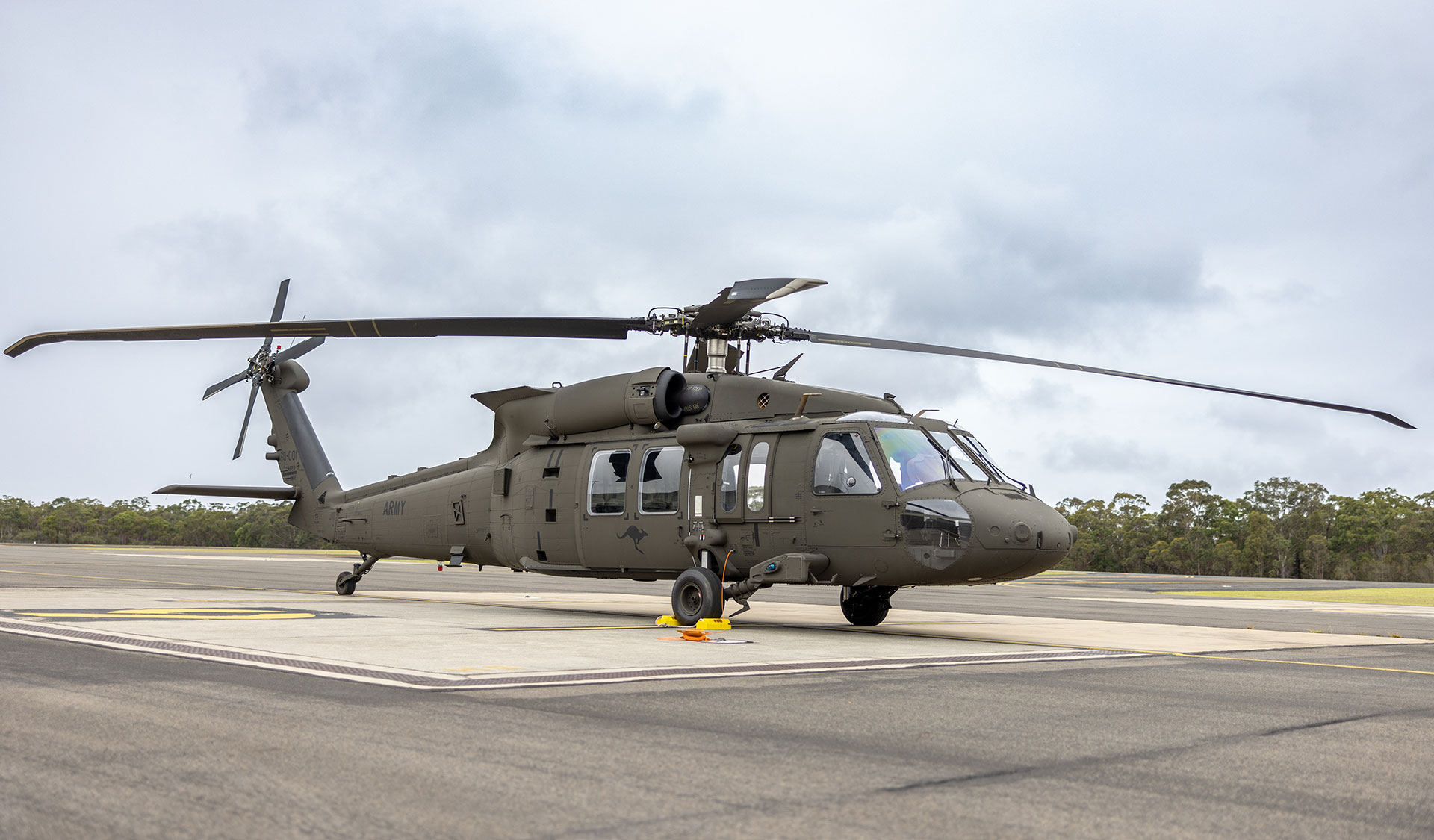
Rosebank Engineering is set to join Australia’s UH-60M Black Hawk sustainment network under a proposed standing agreement with Lockheed Martin Australia covering specialist maintenance, overhaul, testing, manufacturing and engineering work. The scope includes flight control, mechanical, environmental and landing gear systems for a fleet that is still expanding under LAND 4507.
Lockheed Martin Australia already holds an Integrated Support Contract covering maintenance, training, supply and engineering services for the Black Hawk fleet. Signed in February 2024 and running for five years, that arrangement provides the structure through which specialist tasks can be distributed across a wider domestic network as more aircraft enter service.
Rosebank would deepen that network at component level because the systems in its proposed scope contain mechanical, hydraulic and electromechanical assemblies requiring inspection, dimensional checks, approved repairs and functional testing before they can return to an aircraft. Bringing more of that work into Australia can reduce dependence on overseas depot maintenance if the local facilities possess the technical data, tooling and approvals needed to complete the entire repair process.
The economics of establishing those facilities improve as the fleet grows because specialist test benches and qualified technicians can be used across a larger volume of work. Australia is acquiring 40 UH-60M Black Hawks, and increasing flying hours across the fleet will generate more scheduled inspections, component removals and repair demand than the smaller number of aircraft currently operating.
That demand is already spreading geographically as Black Hawks enter service at locations including Holsworthy in New South Wales and Oakey in Queensland, while the Army Aviation Training Centre has also begun operating the type. More operating sites increase the number of aircraft requiring routine support and make turnaround time more important when components are removed from service.
Sending an occasional assembly overseas can be manageable during early fleet introduction, but repeated shipments increase transport time and force the operator to hold more replacement components while removed equipment is being repaired. Local overhaul can shorten that cycle, although the benefit only materialises if the repair can be completed and tested domestically rather than stopping part way through the process and sending the unit abroad for final work.
As repair volume becomes more predictable, local capability can also change the size of the spare component pool needed to support the fleet. Faster turnaround means a removed unit can return to stock sooner, reducing the time another serviceable assembly has to cover for it. That relationship makes repair capacity part of inventory planning as well as an engineering function, particularly for components that are costly or slow to source.
Rosebank enters the programme with regulatory standing as a Military Design Organisation recognised by Australia’s Defence Aviation Safety Authority. That does not automatically authorise every Black Hawk repair, but it places the company inside an established military aviation engineering framework from which individual component tasks can be approved and controlled.
Flight critical systems make those approvals necessary because repaired hardware cannot simply be returned to stock once visible defects have been corrected. Hydraulic actuators, flight control assemblies and landing gear components have to demonstrate movement, pressure tolerance, leakage limits and other acceptance criteria before release, tying maintenance capability directly to specialised test equipment and documented engineering procedures.
Those procedures also have to preserve configuration traceability because a repair may involve replacement parts, approved limits or modifications that differ between component versions. Recording exactly what work was completed and which standard was applied allows the operator and design authority to know the condition of the unit when it returns to service.
The manufacturing element of Rosebank’s proposed scope could extend that domestic capability where repairs require replacement parts or approved modifications create demand for new components. Lockheed Martin has not identified which parts may be produced, so the arrangement should not be treated as a general authority for Australian manufacture across the Black Hawk platform.
The proposed local work would remain connected to the wider US Black Hawk support system rather than replacing it. Foreign Military Sales arrangements provide established spares, technical services and less frequent repairs, while Australian companies can take responsibility for tasks where turnaround time, fleet availability and sufficient demand justify domestic investment.
As operational data accumulates, recurring component removals and lengthy repair cycles will show where additional Australian capacity produces the greatest reduction in aircraft downtime. Rosebank is entering the programme as sustainment becomes a larger determinant of fleet availability, with its contribution depending on how much specialist work can be completed, tested and returned to service in Australia.