IN Brief:
- Hensoldt's nine-month order intake increased 76.7% to €3.56bn, with the backlog reaching €10.37bn.
- Sensors and Optronics recorded strong growth, supported by Eurofighter programmes, TRML-4D radars, and military vehicle equipment.
- Full-year revenue guidance increased to approximately €2.8bn, with an adjusted EBITDA margin of around 19%.
Hensoldt recorded a 76.7% increase in order intake during the first nine months of 2026, with demand for air defence radars, military vehicle electronics, and Eurofighter equipment taking the German manufacturer’s backlog to a record €10.37 billion.
Orders reached €3.56 billion, compared with €2.02 billion in the corresponding period of 2025. Revenue increased 21.3% to €1.86 billion, supported by higher deliveries of air defence equipment and increased activity across the company’s service operations.
Adjusted earnings before interest, tax, depreciation, and amortisation rose 33% to €281 million. The adjusted EBITDA margin improved from 13.7% to 15.1%, with higher production volumes and cost management contributing to the increase.
The results prompted Hensoldt to raise its full-year revenue guidance from approximately €2.75 billion to €2.8 billion. Its adjusted EBITDA margin forecast has also been refined from a range of 18.5% to 19% to approximately 19%.
Hensoldt operates through two principal segments, Sensors and Optronics, which supply different but complementary military electronics capabilities. Both recorded substantial order growth, although the rate of expansion and the underlying programmes varied considerably.
The Sensors segment received €2.63 billion in orders, an increase of 54.5% compared with the previous year. Its backlog reached €7.4 billion, while the book-to-bill ratio stood at 1.7, reflecting new orders exceeding the revenue recognised during the period.
Major contributions came from the Eurofighter programme, including Mk1 radar development, the Halcon programme, and Türkiye’s aircraft procurement. Further orders for TRML-4D air defence radars and prototype work on the Knifefish electronic attack system also supported intake.
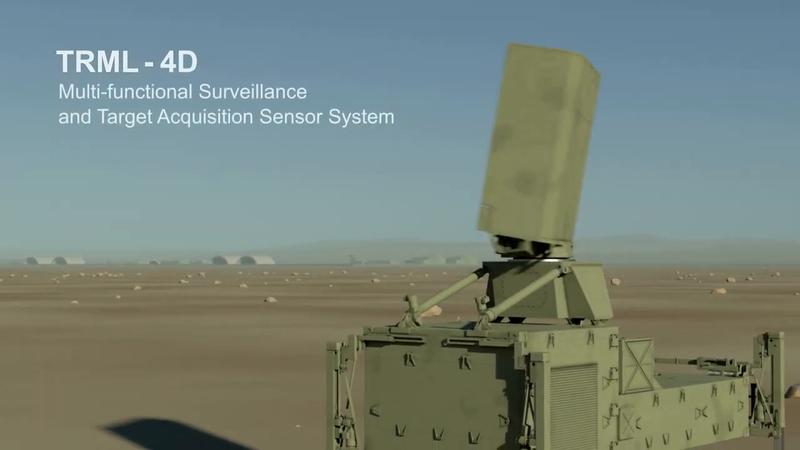
The TRML-4D is a ground-based radar used in air defence applications, including the IRIS-T SLM system. Its sensing and tracking functions provide information used by the wider air defence architecture to detect and follow airborne objects.
Modern radar systems combine radio frequency equipment, antenna technology, digital signal processing, and specialist software. The complete installation must provide the information required by connected command systems while meeting the applicable technical and environmental requirements.
Manufacturing and delivering these systems involves several stages. Electronic assemblies and other components must be produced and integrated, followed by equipment testing, software configuration, and acceptance against the customer’s specified requirements.
Higher demand for completed radars therefore creates requirements throughout the associated electronics and manufacturing supply chain. Additional orders increase the production workload, but revenue is recognised according to the applicable delivery and contractual arrangements rather than when every order enters the backlog.
Hensoldt’s Sensors revenue increased 15.5% to €1.52 billion. The company identified higher TRML-4D deliveries and an expanding service business among the principal drivers, while revenue excluding pass-through activity grew by 10.9%.
Adjusted EBITDA for Sensors increased 18.5% to €236 million, producing a margin of 15.5%. Higher revenue and cost discipline supported the improvement, although additional research and development expenditure partly offset those benefits.
The Optronics segment recorded considerably faster order growth. Intake increased 252.7% to €1.16 billion, taking its backlog to €3.2 billion and producing a book-to-bill ratio of 3.3.
Major contracts included commander and gunner sighting systems and self-protection equipment for the Schakal wheeled infantry fighting vehicle and Puma infantry fighting vehicle programmes.
These systems combine optical or electro-optical sensing with processing equipment and interfaces to other vehicle systems. Commander and gunner sights support observation and targeting functions, while self-protection equipment provides additional capabilities according to the configuration selected for the vehicle.
Integrating such equipment requires attention to the installation environment, electrical interfaces, mechanical arrangements, and the interaction between sensors and onboard control systems. The equipment must also meet the qualification requirements specified for the intended vehicle platform.
Production programmes involving different vehicle types can share specialist manufacturing and engineering capabilities, although individual equipment configurations remain dependent on customer and platform requirements.
Optronics revenue increased 52.4% to €354 million. Hensoldt identified Customer Support, Reconnaissance Systems, and Ground Based Systems as important contributors, with the Luchs 2 programme also supporting growth.
Adjusted EBITDA in Optronics rose from €12 million to €45 million, lifting the adjusted margin from 5.1% to 12.6%. The company attributed the improvement primarily to higher volumes and economies of scale as activity expanded.
The difference between the two segments illustrates the changing composition of Hensoldt’s order book. Sensors remains the larger revenue contributor, while Optronics has recorded particularly strong growth in orders associated with military vehicle programmes.
At group level, the order backlog increased from €7.10 billion a year earlier to €10.37 billion at the end of September. The book-to-bill ratio rose to 1.9, compared with 1.3 in the previous nine-month period.
Those figures provide a measure of future contracted activity but do not represent revenue already earned. Production capacity, supplier performance, engineering resources, and customer delivery schedules will determine how the backlog is converted into completed equipment and recognised sales.
Adjusted free cash flow remained negative at €104 million for the nine months, compared with negative €119 million previously. Hensoldt nevertheless expects full-year adjusted free cash flow conversion of approximately 50% of adjusted EBITDA, reflecting the anticipated concentration of activity later in the year.
The company expects additional orders during the fourth quarter across electromagnetic warfare, naval and land systems, and Eurofighter equipment. The PEGASUS programme represents a further potential contribution, although its award could move into early 2027.
Hensoldt expects its full-year book-to-bill ratio to reach the upper end of the existing 1.5 to 2.0 range even if PEGASUS is delayed. If that contract is awarded during 2026, the company estimates that the ratio could increase to approximately 2.3.
Fourth-quarter deliveries and customer acceptance are also expected to make a substantial contribution to annual revenue and profitability. The company’s revised guidance therefore depends on completing scheduled production and acceptance activity during the remaining months of 2026.
Hensoldt will hold a Capital Markets Day in London on 10 November, with preliminary full-year results currently scheduled for 24 February 2027. Those updates will provide further information on the progression of the enlarged order book and the company’s manufacturing and technology investment plans.