IN Brief:
- Rheinmetall reduced its 2026 sales forecast from €13.7bn–€14.2bn to approximately €13.2bn.
- Nine-month revenue rose 38% to €8.38bn, while operating profit increased 68% to €1.34bn.
- The €78bn reported backlog includes signed framework agreements, while inventories and delayed advance payments have affected cash flow.
Rheinmetall has reduced its 2026 revenue forecast to approximately €13.2 billion after delays affecting a major German armoured vehicle programme and artillery ammunition acceptance procedures shifted anticipated business into the following financial year.
The German defence manufacturer previously expected annual sales between €13.7 billion and €14.2 billion. Its operating margin forecast has also been lowered from approximately 19% to 18.5%, despite substantial increases in revenue and operating profit during the first nine months of the year.
Germany’s Arminius programme is a principal cause of the revision. The planned Boxer armoured vehicle procurement remains in the final stages of contractual negotiations, and Rheinmetall no longer expects the programme to be commissioned during 2026.
The delay affects both anticipated revenue and customer advance payments. Although the manufacturer expects the programme to progress in 2027, the current guidance excludes the contribution previously anticipated during the final months of this year.
Artillery ammunition acceptance has created another constraint. Rheinmetall identified delays in lot acceptance tests as a reason that some expected ammunition revenue will move into a later reporting period.
Ammunition contracts typically require manufactured batches to satisfy specified technical and quality requirements before customer acceptance. Production, inspection, testing, and contractual acceptance form separate activities, with the timing of recognised revenue governed by the relevant accounting and contractual arrangements.
The company has not identified the individual batches affected or disclosed specific technical deficiencies. The reported problem concerns the timing of acceptance, rather than a published finding that particular ammunition products have failed to meet their required performance standards.
Rheinmetall’s nine-month results nevertheless show substantial expansion in production and deliveries. Revenue increased 38% to €8.38 billion, compared with €6.06 billion in the corresponding period of 2025.
Operating profit rose 68% to €1.34 billion from €795 million, raising the operating margin from 13.1% to 16%. Higher sales volumes were the main contributor to the improvement, with revenue growth distributed across the group’s principal defence businesses.
Vehicle Systems generated €3.90 billion in sales, an increase of 20%. The division manufactures wheeled and tracked combat vehicles, military logistics equipment, and related mobility systems, with deliveries to German and other European customers supporting its performance.
The division’s reported nominations increased to €7.91 billion, helped by Germany’s additional order for 200 Puma infantry fighting vehicles and Romania’s procurement of 298 Lynx vehicles under arrangements financed through the European SAFE programme.
Operating profit in Vehicle Systems increased to €466 million, with the margin improving from 10.7% to 12%. Rheinmetall attributed part of the improvement to changes in the mix of logistics vehicle deliveries.
Production of armoured vehicles involves the integration of hull structures, powertrains, running gear, protection systems, electrical equipment, and mission technologies. Manufacturing schedules must accommodate the readiness of these assemblies and the technical configuration specified by each customer.
The Arminius delay is primarily a procurement timing issue at this stage. It has removed an anticipated contribution from the annual forecast without establishing that the programme has been cancelled or that its planned vehicle requirements have disappeared.
Weapon and Ammunition recorded €2.71 billion in nine-month sales, up 34%. Operating profit increased to €634 million, producing a margin of 23.4%, compared with 21.9% a year earlier.
The segment’s reported nominations reached €4.54 billion, slightly below the equivalent 2025 figure. New business included ammunition and weapon system requirements from Germany and several European customers, alongside medium-calibre ammunition orders associated with Romania.
Rheinmetall invested €338 million in the segment during the period, with projects covering gun barrel capacity in the United Kingdom, artillery ammunition manufacturing in Lithuania, medium-calibre production in Spain, and powder manufacturing in Germany.
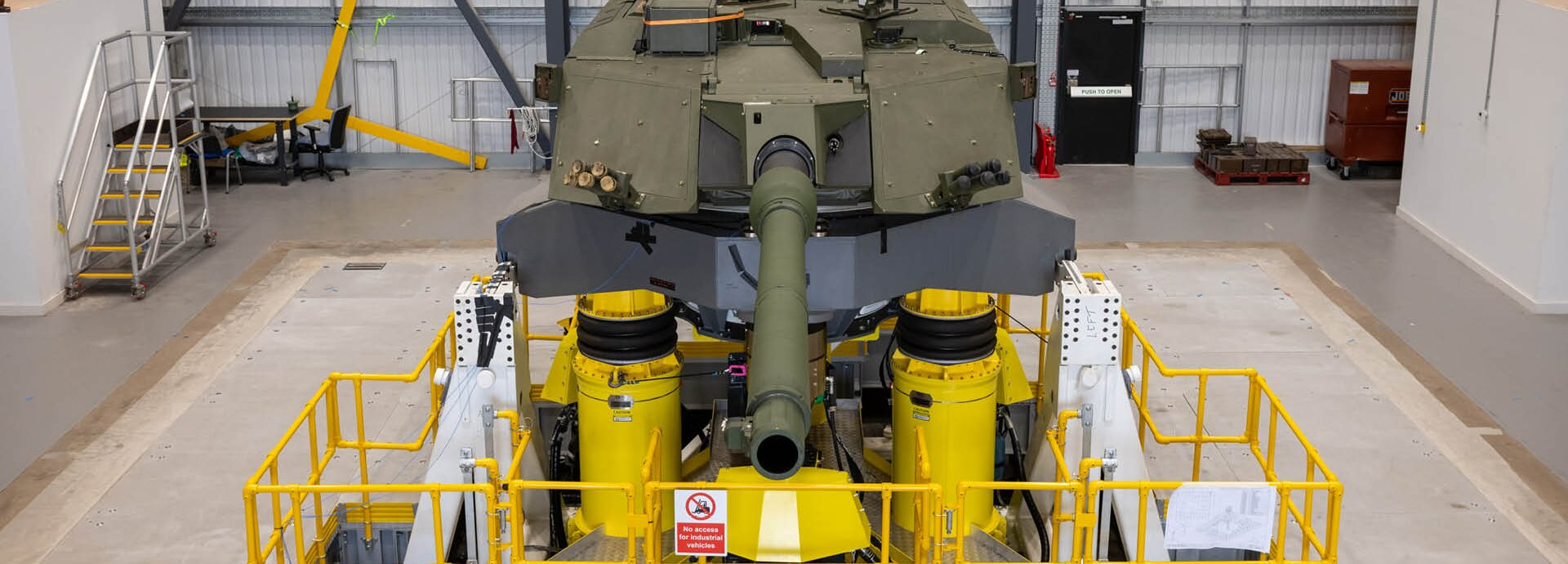
At Telford, the company has brought a new British gun manufacturing facility into operation following the conversion of an existing industrial building. Rheinmetall said the production hall became operational within eight months.
The wider expansion programme adds manufacturing equipment and specialist processes intended to support higher production volumes. Output remains dependent on the availability of materials, qualified components, manufacturing capacity, and the completion of required inspection and acceptance activities.
Air Defence recorded sales of €731 million, an increase of 63%, supported by production of Skynex and Skyranger systems and ammunition deliveries. New nominations reached €1.73 billion, approximately five times the prior-year level.
The segment’s backlog increased to €4.10 billion, while operating profit more than doubled to €135 million. The systems combine detection, command functions, and defensive weapons, with equipment configurations varying according to the customer’s installation and operational requirements.
Digital Systems generated €1.33 billion in sales, up 29%, supported by German military digitalisation programmes and increased activity involving short-range defence capabilities.
Its nominations declined to €4.90 billion from approximately €9.97 billion, following a previous period containing particularly large framework agreements. The division’s reported backlog nevertheless increased to €20.40 billion.
Naval Systems, reported separately following an acquisition completed in February, contributed €679 million in sales during its first seven months within Rheinmetall. Shipbuilding programmes, maintenance contracts, and a Romanian naval order supported activity.
Across the group, Rheinmetall reported €19.1 billion in nominations during the first nine months, up from €16 billion. Its definition of nominations includes conventional order intake and new framework agreements, making the measure broader than confirmed equipment purchases alone.
The reported backlog reached €78 billion at 30 September, compared with €56.7 billion a year earlier. Rheinmetall’s backlog measure also includes signed framework agreements, so the total cannot be interpreted entirely as firm orders awaiting delivery.
Cash generation has been weaker than the increase in operating profit might suggest. Operating free cash flow declined to negative €1.70 billion, compared with negative €798 million in the corresponding period of 2025.
The company attributed the deterioration partly to inventories being built up ahead of expected production growth. Additional stock ties up working capital before the related equipment has been delivered and customer payments have been received.
The previous year’s results also benefited from substantial customer advance payments. With anticipated Arminius payments now shifting into 2027, Rheinmetall has withdrawn its earlier target for operating free cash flow conversion above 40%, although it continues to expect positive operating free cash flow for 2026.
Revenue and cash flow therefore remain subject to different pressures. Manufacturing expansion can support future output, while contract signatures, equipment deliveries, and customer acceptance determine when the associated business is recognised and paid for.
Rheinmetall’s revised guidance leaves substantial production and acceptance activity scheduled for the final quarter. The outstanding Arminius contract negotiations and artillery ammunition approvals will determine how much previously anticipated business moves into 2027.