
Land
-

The US Army is approaching autonomous missile-launcher development awards now. The CAML programme must reconcile common vehicle architecture with dissimilar weapons, cyber-secure autonomy, field reloading, and the physical demands of launch.
-
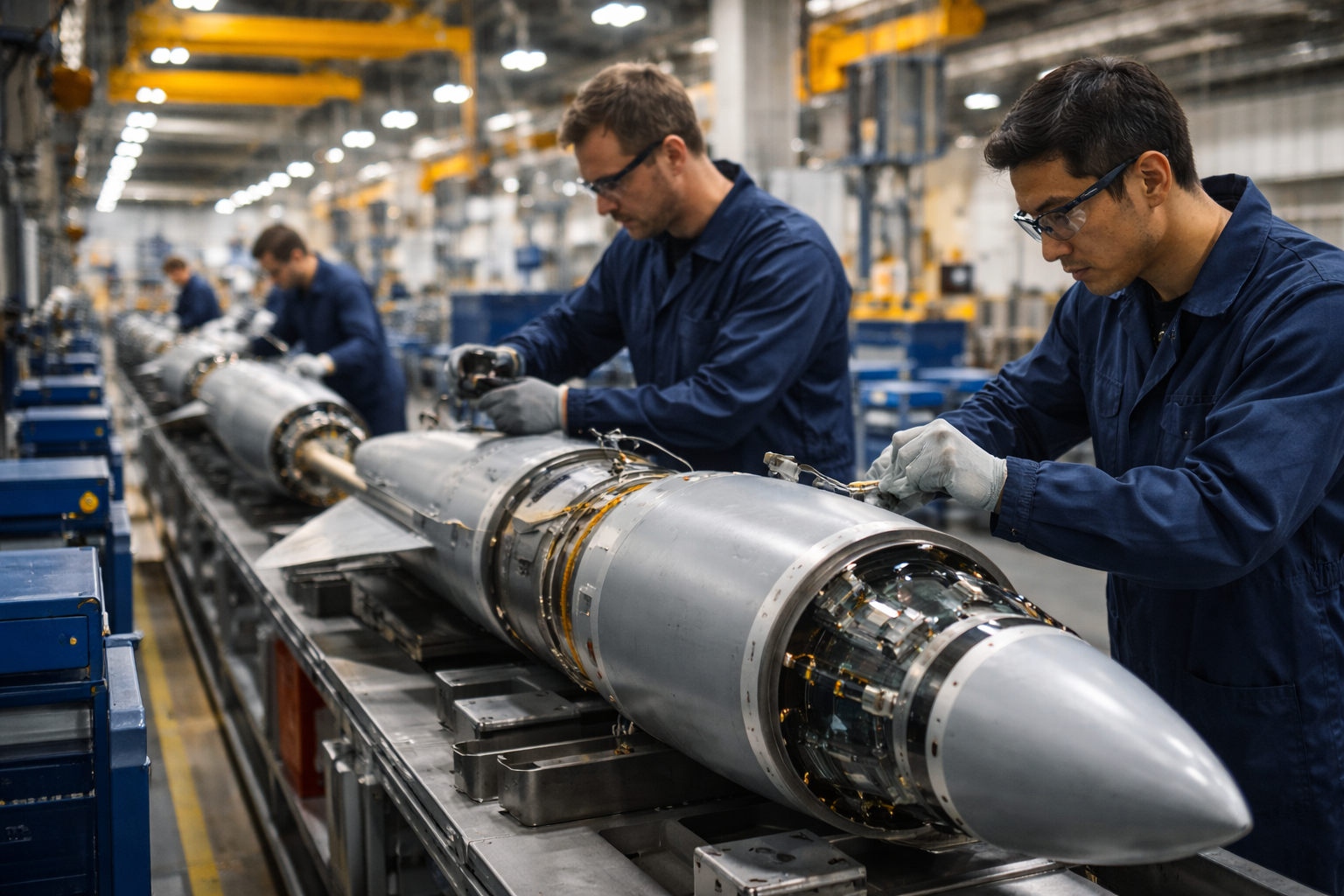
France is rebuilding domestic production of small-arms ammunition at scale. The Clérieux line targets 75 million rounds annually, requiring secure component supplies, energetic-material controls, automated inspection, and sustained military demand.
-
Northrop Grumman has expanded Sentinel’s secure engineering footprint in Utah. The new facility will support systems integration, software, programme control, and classified collaboration across a complex missile and infrastructure replacement effort.
-
Britain has backed three companies to develop affordable drone interceptors. Their designs must combine credible engagement performance with scalable manufacture, resilient components, practical launchers, rapid testing, manageable storage, and sustainable replacement rates.
-

Hyundai Rotem has secured NATO quality certification for K2 vehicles. The approval strengthens its European export position while imposing continuing demands across configuration management, supplier assurance, manufacturing records, testing, and corrective action.
-

Japan has selected Terra Drone for rapid domestic interceptor trials. The programme will test whether an emerging design can combine autonomous engagement, maritime operation, dependable communications, and production economics suitable for larger procurement.
-
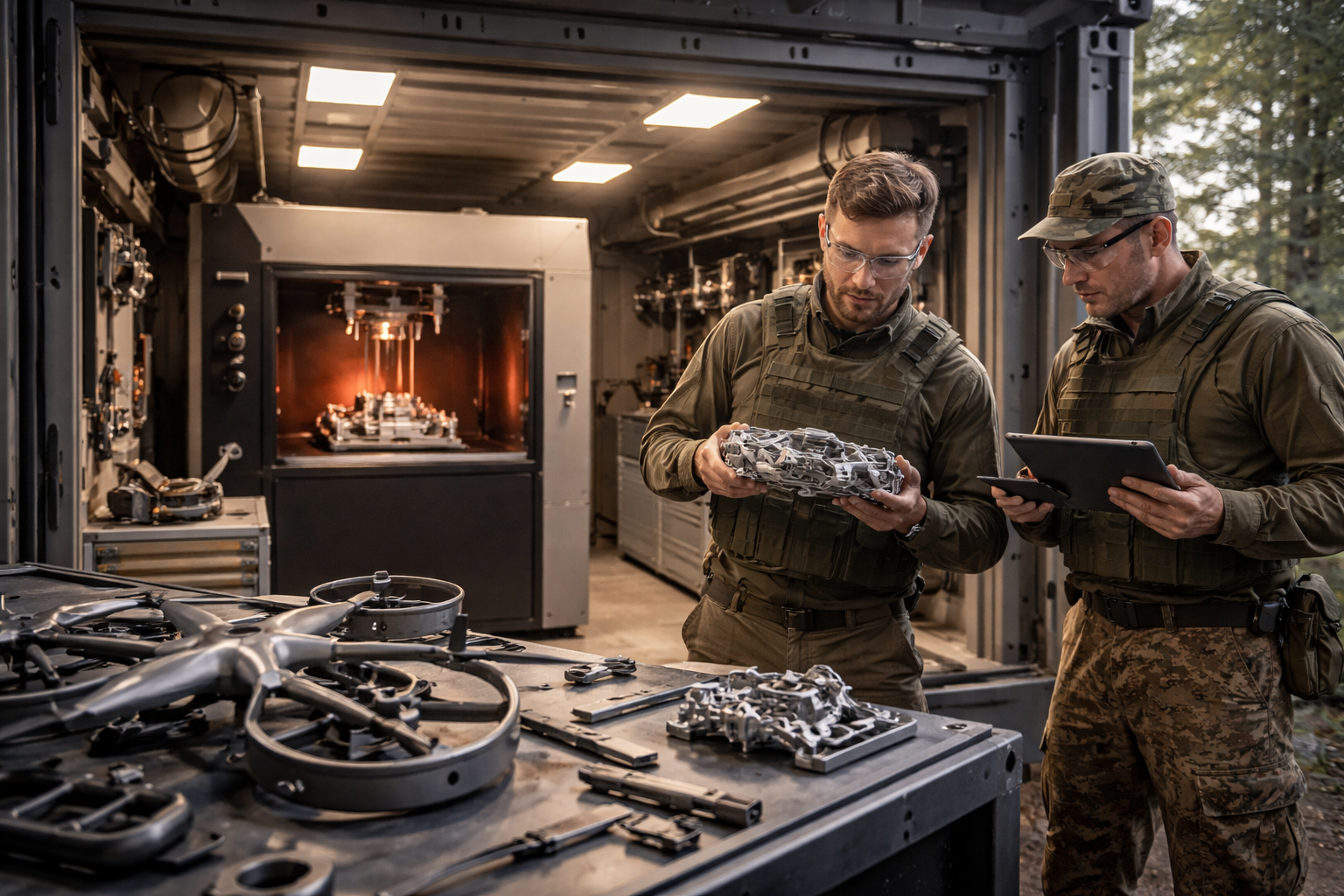
Britain has opened new funding for early-stage military autonomy technologies. The competition targets enabling ideas before they reach conventional prototype maturity or established procurement routes.
-
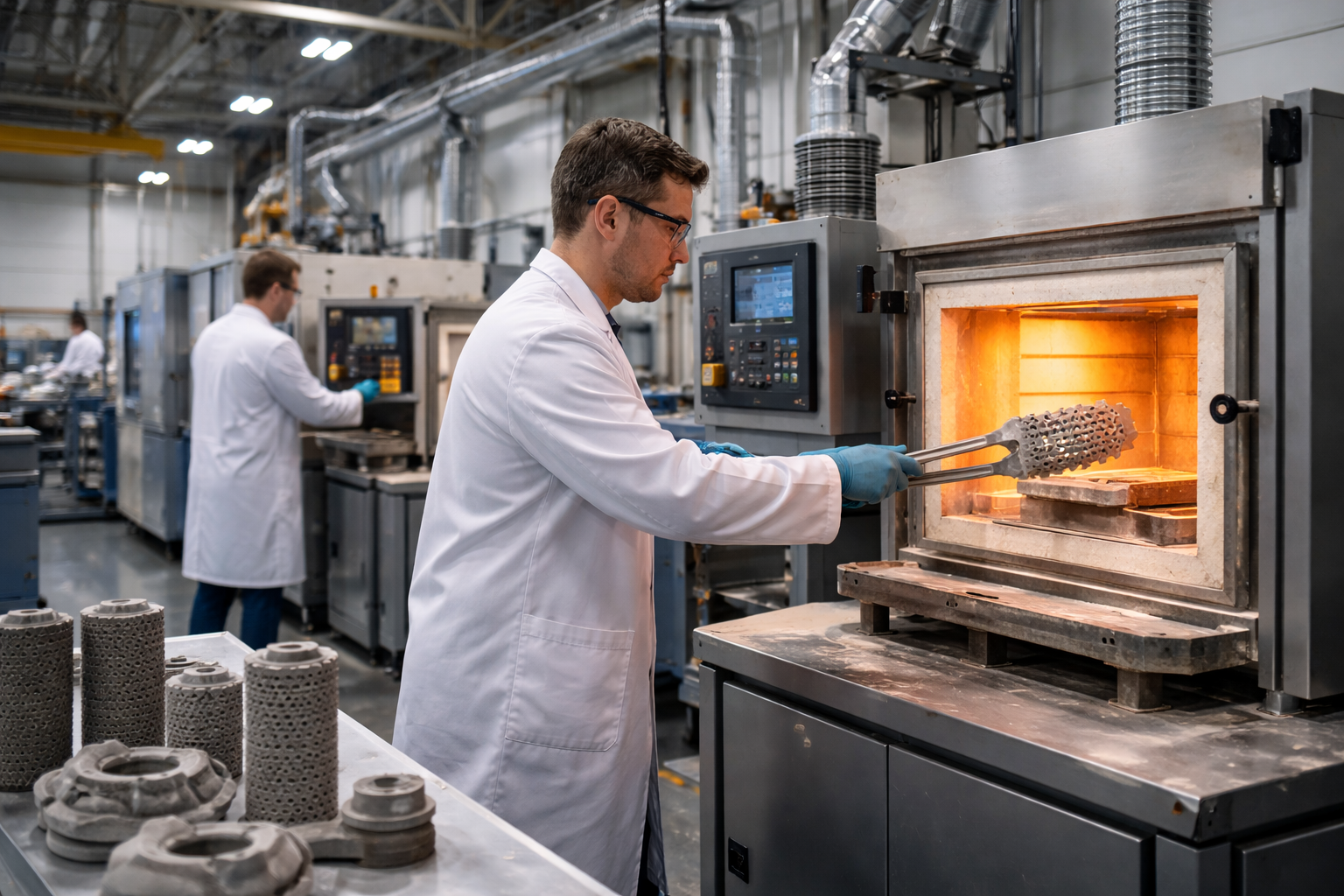
Rheinmetall has delivered Unterlüß-built 155mm projectiles into Ukraine’s supply chain. The first shipment turns a major German capacity investment into accepted ammunition output.
-
US lawmakers are considering Bullseye funding for Marine Corps trials. The missile combines multi-platform launch, resilient navigation, modular payloads, and planned American production within the expanding market for affordable long-range strike.
-
Four teams will develop autonomous breaching systems for the Army. The programme combines heavy machinery, robotic vehicles, modular tools, and beyond-line-of-sight control ahead of an operational assessment planned for 2027.