
Land
-
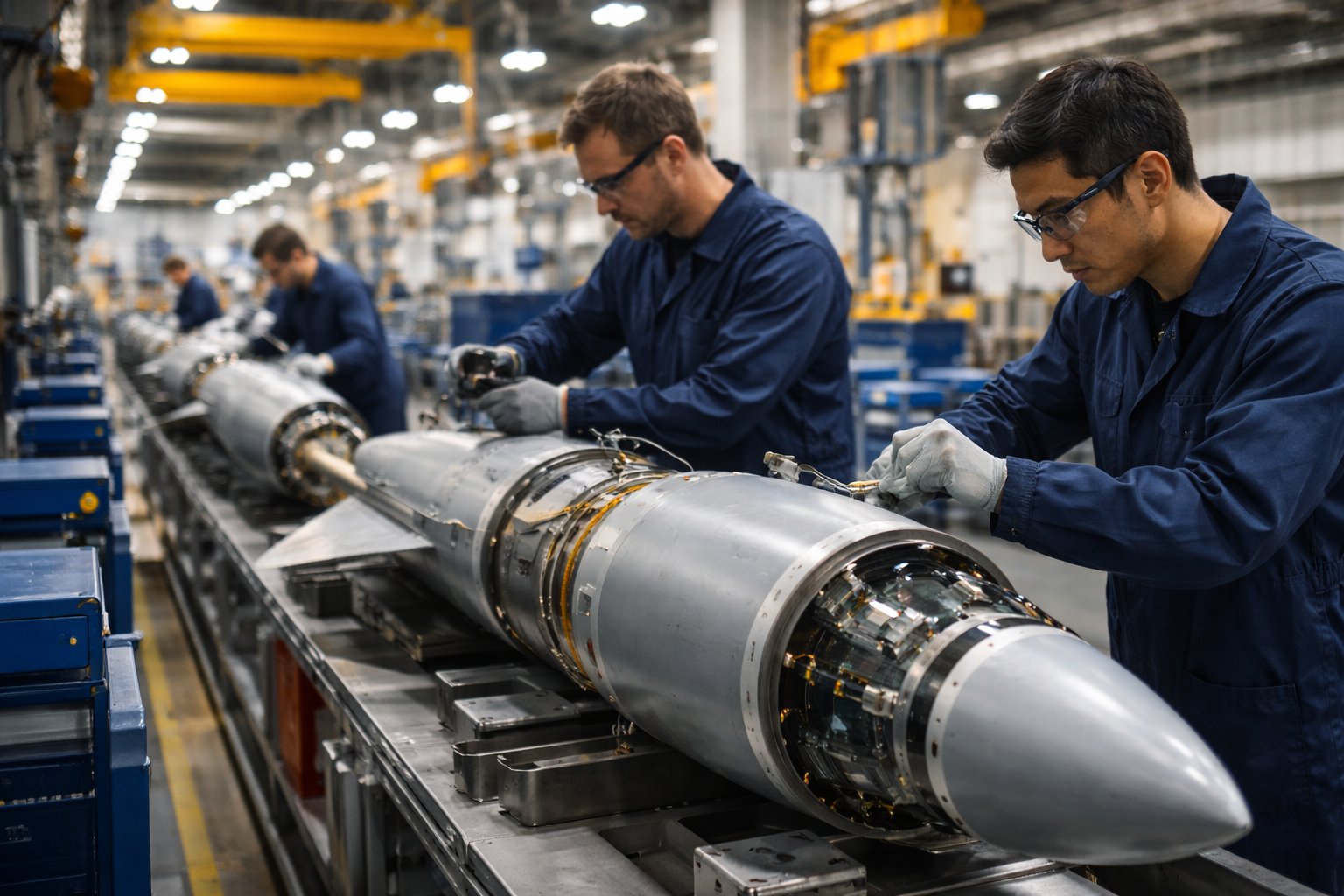
BlackThorn brings common warhead architectures to several autonomous weapon classes. BAE Systems is linking modular effects with lower integration costs, faster qualification, and production routes spanning missiles, drones, and uncrewed ground systems.
-
Hanwha’s Arion-SMET selection moves Korean military robotics towards serial production. A final contract would shift attention from demonstrations to repeatable manufacture, battery support, payload control, software assurance, and fleet maintenance.
-
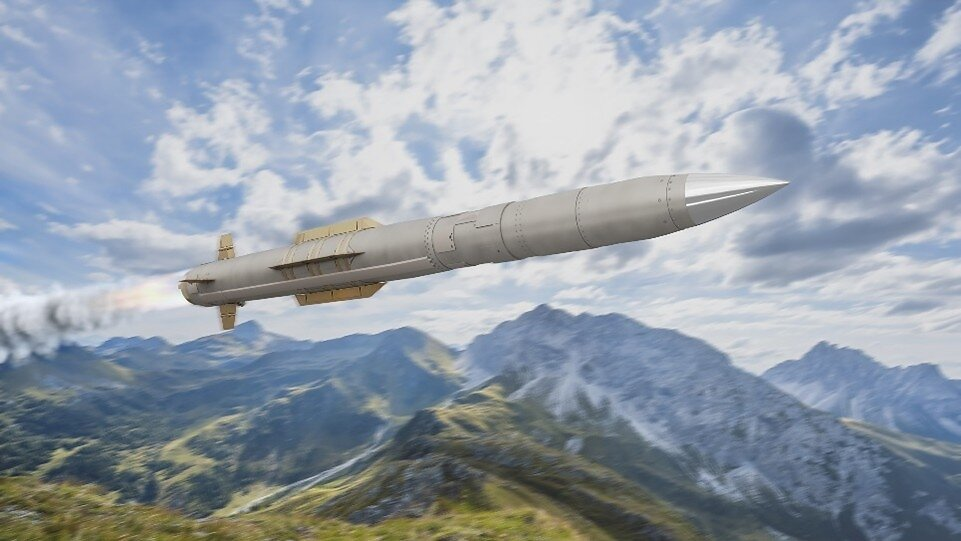
Lockheed Martin has introduced a lower-cost interceptor for Patriot users. PAC-3 ACE is intended to widen available missile stocks without using the full performance and manufacturing cost of PAC-3 MSE against every target.
-
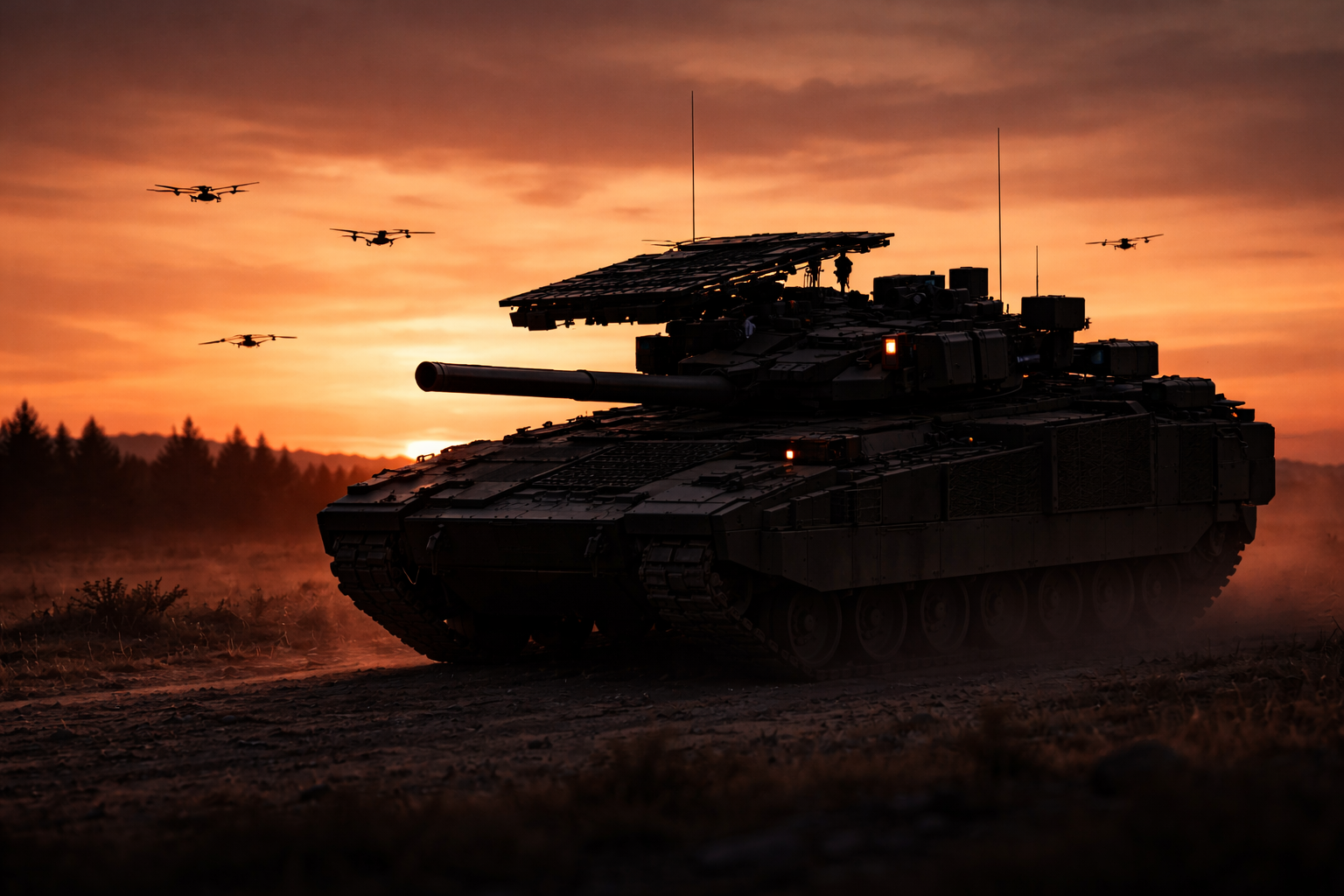
Japan has selected Quantum Systems for accelerated interceptor-drone field trials. The evaluation will test autonomy, sensor handover, electronic resilience, safety, cost, and the industrial arrangements needed for any follow-on production.
-
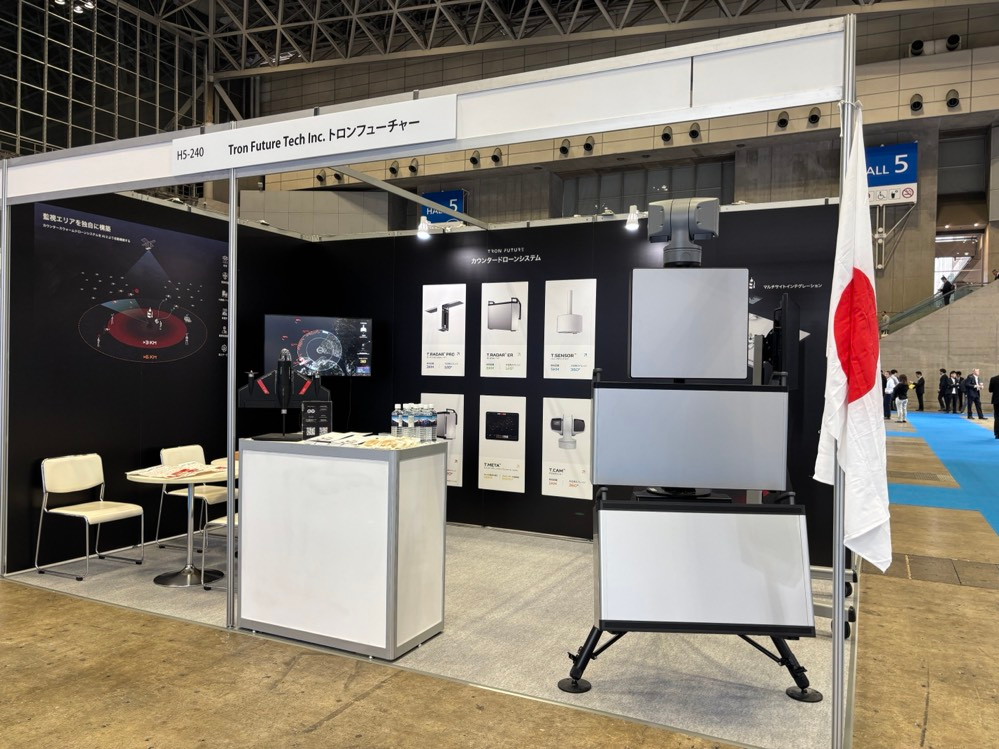
Taiwan is moving to cancel a troubled counter-drone systems contract. Repeated acceptance failures have exposed the difficulty of turning radar, radio-frequency sensing, optical tracking, jamming, and command software into one reliable defensive system.
-
Ukraine has tested an unnamed ballistic missile after major redesign. Improved accuracy and a 30% cost reduction leave serial production, propulsion, guidance, and quality control as the next hurdles.
-
Britain will spend £350 million doubling Army-operated Sky Sabre systems. Launchers, missiles, radar, command networks, support vehicles, training, and replenishment capacity must all expand together.
-
Australia’s first domestic Apache firing tested its entire support chain. Weapons handling, maintenance, infrastructure, training, and sustainment now determine how quickly the 29-aircraft fleet matures.
-
Chinese footage appears to show airburst effects from the PHL-191. The unidentified round brings programmable fuzing, warhead consistency, launcher integration, and volume production into focus.
-
Raytheon’s Stinger replacement has successfully completed several guided firing tests. The interceptor now faces a production contest shaped by seeker supply, motor manufacture, vehicle integration, and the need to avoid another fragile ammunition line.