
News
-

Indonesia will receive 12 Bayraktar Kizilelma unmanned combat aircraft from 2028, giving Baykar its first export customer for the jet-powered platform and placing unmanned fighter production, sustainment, and carrier-compatible operations at the centre of Jakarta’s future airpower planning.
-
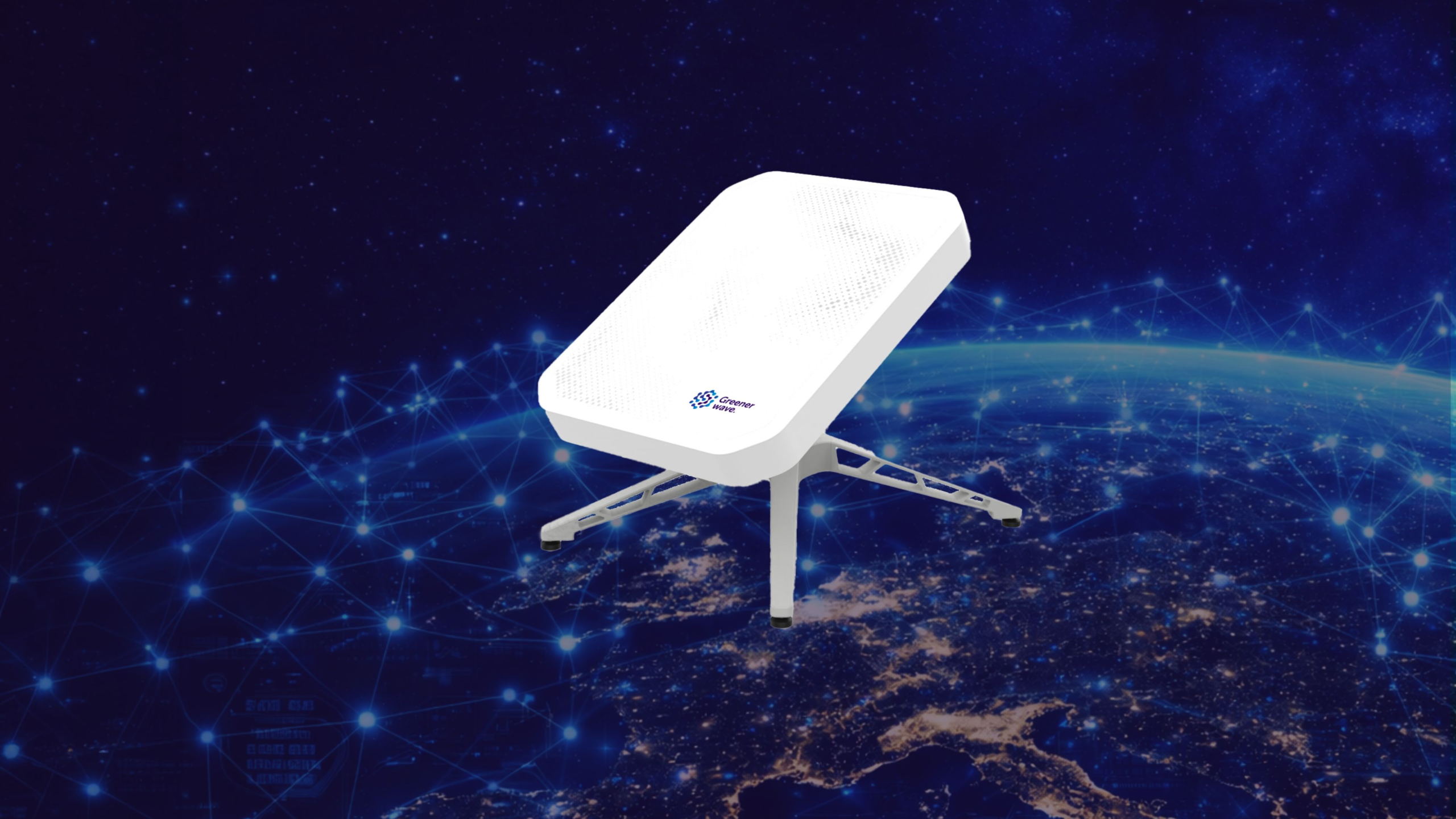
Greenerwave and Telespazio France have signed a strategic agreement to distribute low-power, multi-orbit SATCOM terminals across European defence and government markets. The partnership links sovereign communications, GEO/LEO resilience, antenna manufacturing, and operational continuity for critical missions.
-
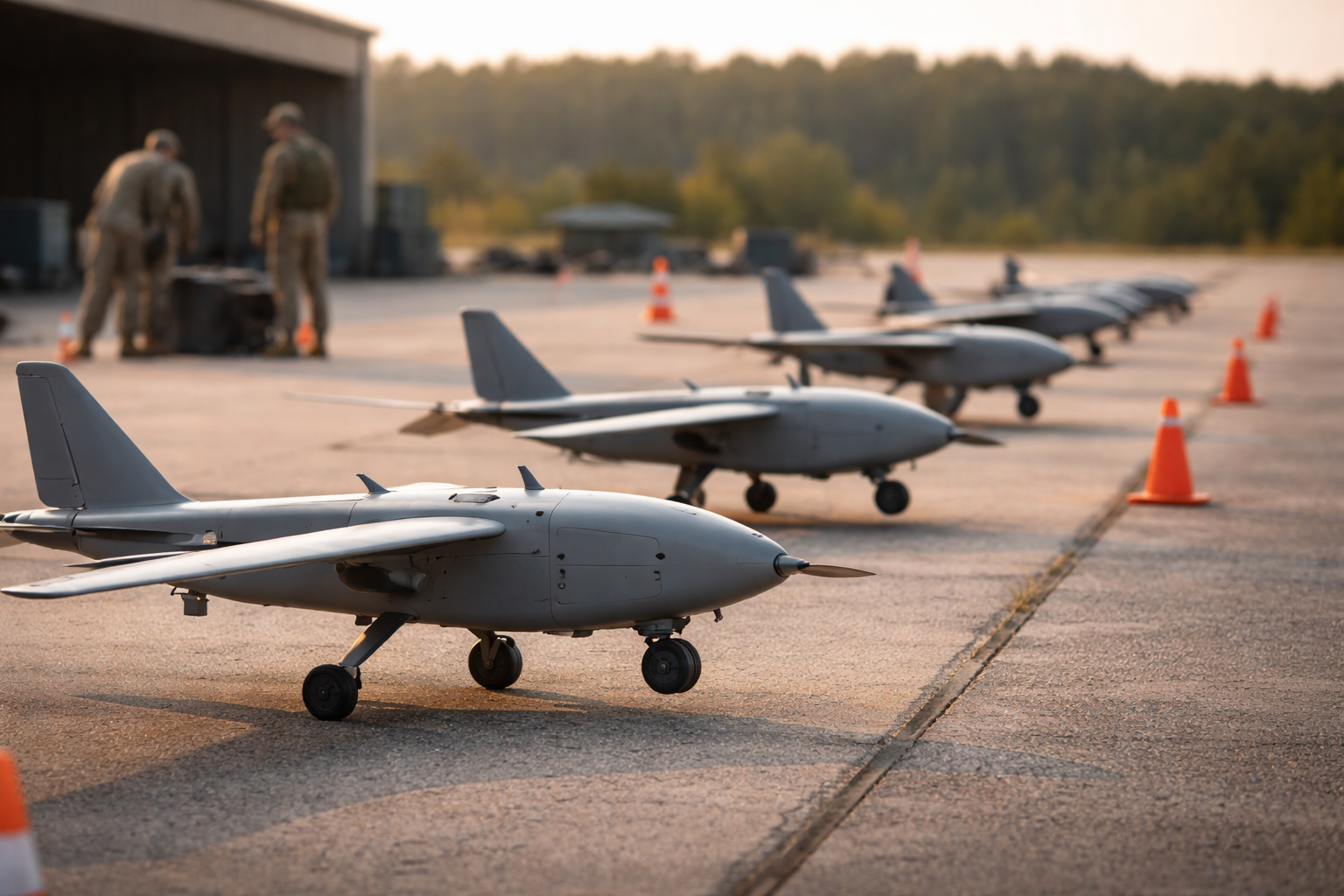
The Pentagon is seeking AI-enhanced target recognition for close-in counter-drone systems, initially focused on remote weapon stations including CROWS. The effort links computer vision, sensor fusion, prototype testing, land and maritime firing, and future small-arms integration.
-
HAVELSAN has introduced ADVENT-AI as an artificial intelligence layer for its naval combat management system. The upgrade targets anomaly detection, tactical picture generation, electronic warfare conditions, navigation support, monitoring, and naval gunfire prediction for existing and future platforms.
-
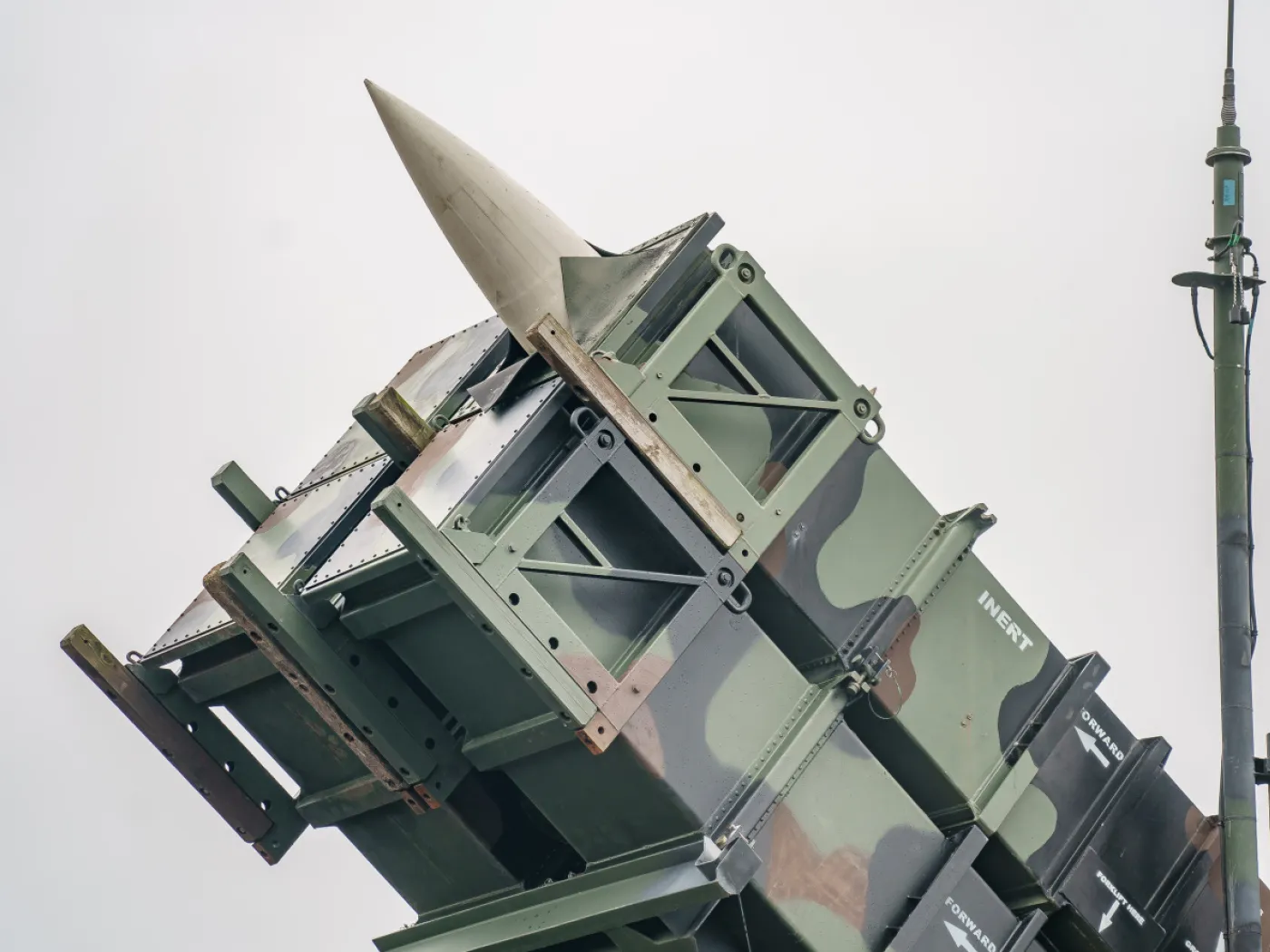
Switzerland is gathering information on additional long-range air-defence systems after delays to its Patriot order. The evaluation puts delivery time, cost, performance, European production share, and supplier resilience at the centre of Bern’s air-defence planning.
-
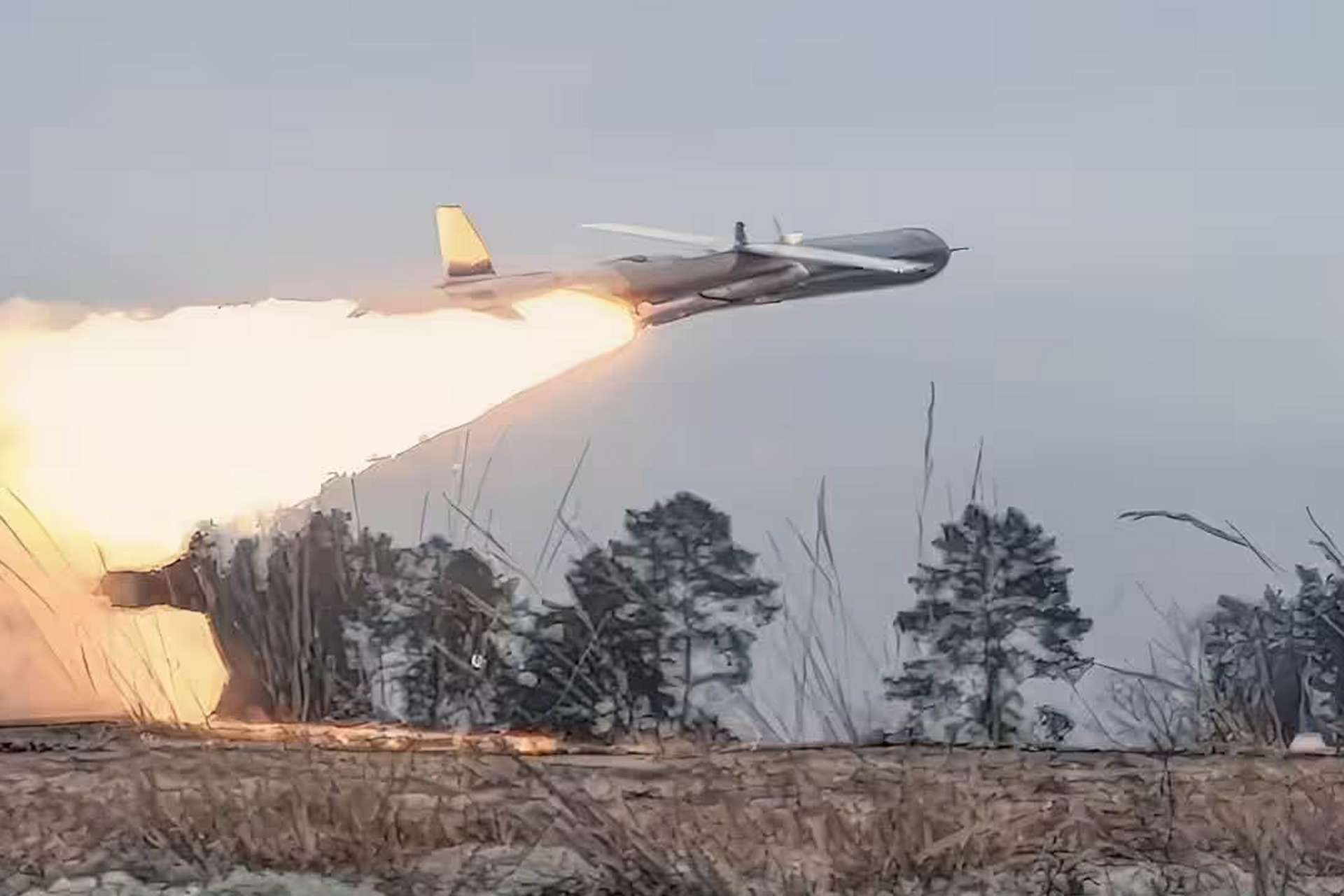
Rheinmetall is accelerating plans to produce cruise missiles with Destinus through a German-based joint venture. The move places scalable deep-strike manufacturing, propulsion, guidance, energetic materials, and production capacity at the centre of Europe’s rearmament drive.
-
Spain has opened early discussions with Türkiye over the Kaan fighter, adding a new variable to Europe’s combat-air landscape. The move follows Spain’s Hürjet-based SAETA II training programme and highlights growing interest in software control, workshare, and sovereign fighter integration.
-
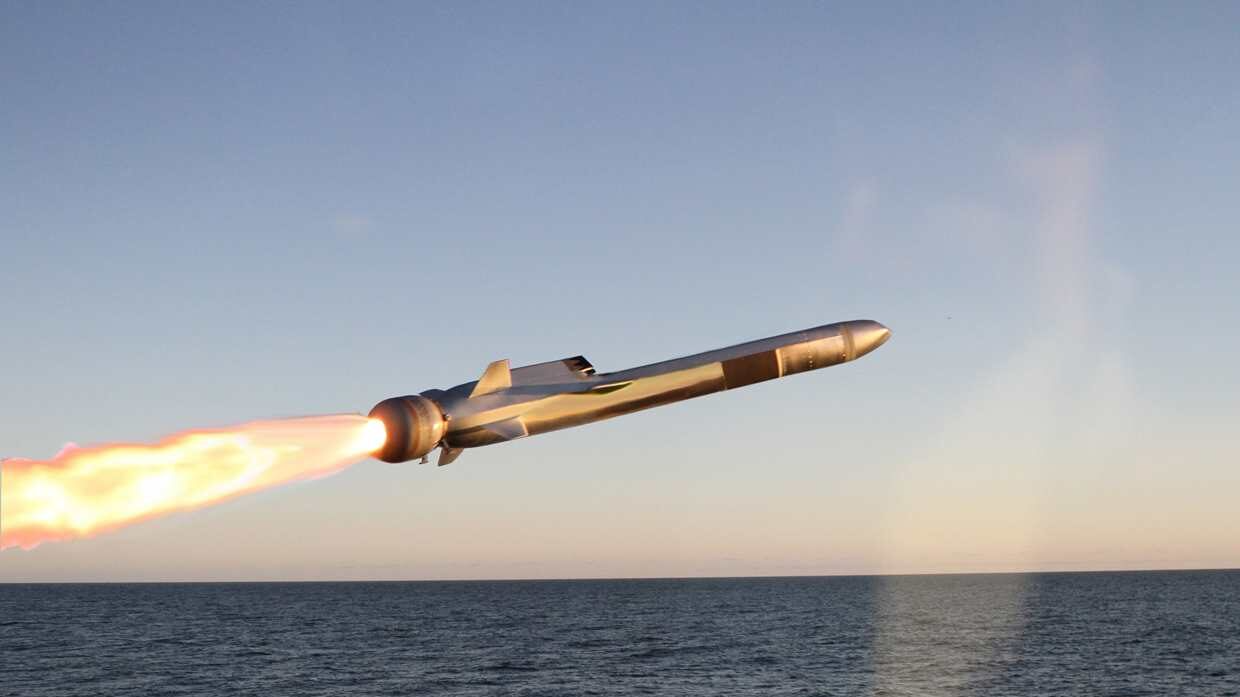
Malaysia is seeking clarification from Norway after export-control changes halted Naval Strike Missile deliveries for its Littoral Combat Ships. The issue adds another supply-chain pressure point to a delayed naval programme already shaped by rework, equipment availability, and delivery risk.
-
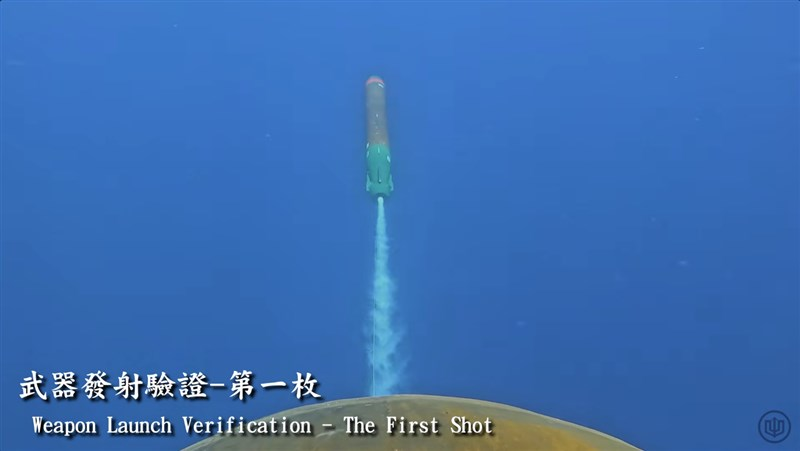
Taiwan’s Narwhal submarine has completed its first torpedo launch verification. The milestone moves the indigenous submarine programme further through sea acceptance testing, validating combat system, fire-control, launch, recovery, and integration work central to Taiwan’s long-term undersea production ambitions.
-
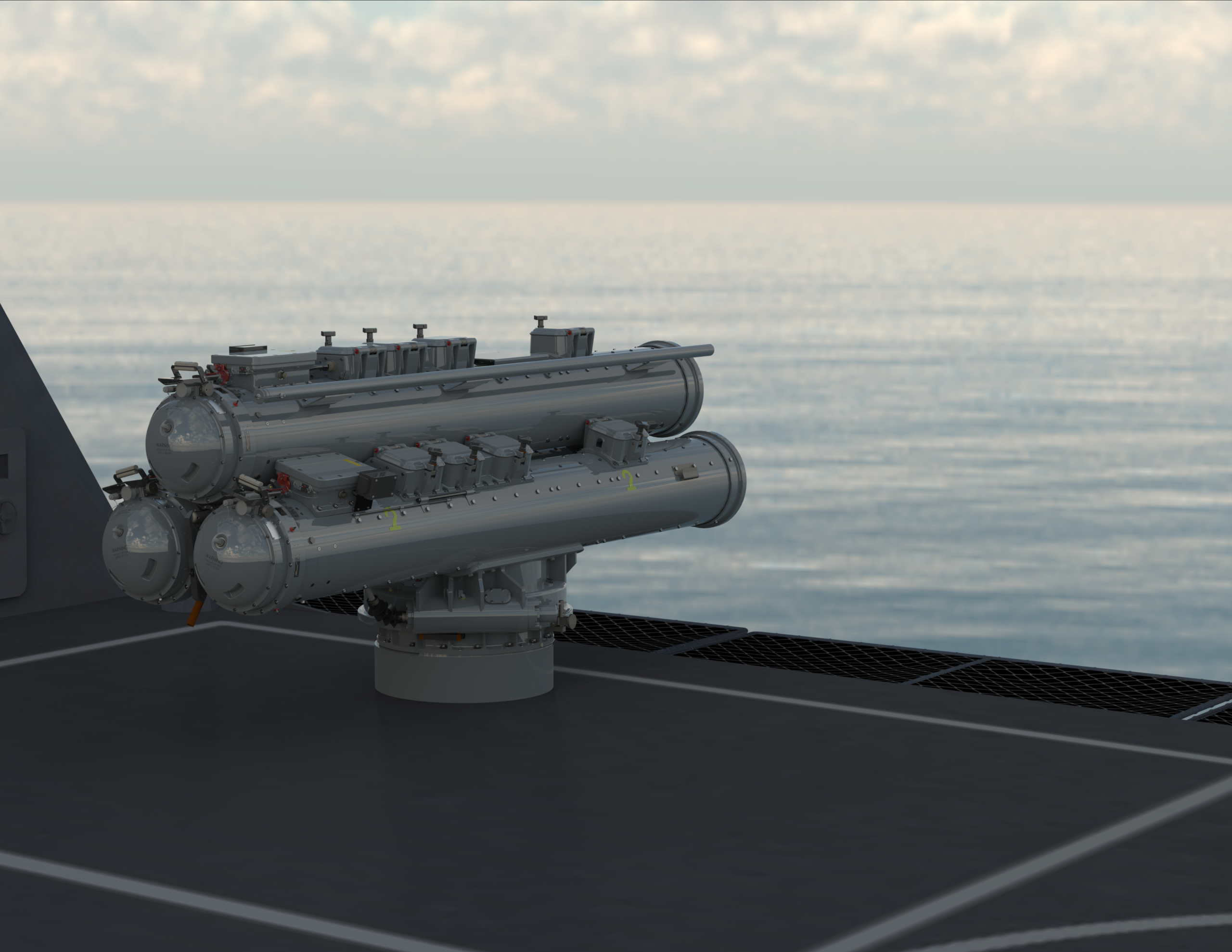
SEA has won the King’s Award for export growth today. The recognition follows overseas contracts for torpedo launch systems, KraitSense anti-submarine warfare equipment, naval communications upgrades, and fleet protection capability, supporting expanded manufacturing capacity in Barnstaple and Ottawa, workforce growth, and a wider international maritime systems footprint for SEA’s exports.