IN Brief:
- SEA has received the King’s Award for Enterprise: International Trade.
- Export wins since 2022 include torpedo launch systems, KraitSense ASW systems, and naval communications upgrades.
- Growth has supported expansion in Barnstaple, Ottawa, and Kuala Lumpur.
SEA, part of Cohort plc, has received the King’s Award for Enterprise: International Trade after sustained export growth in maritime defence systems.
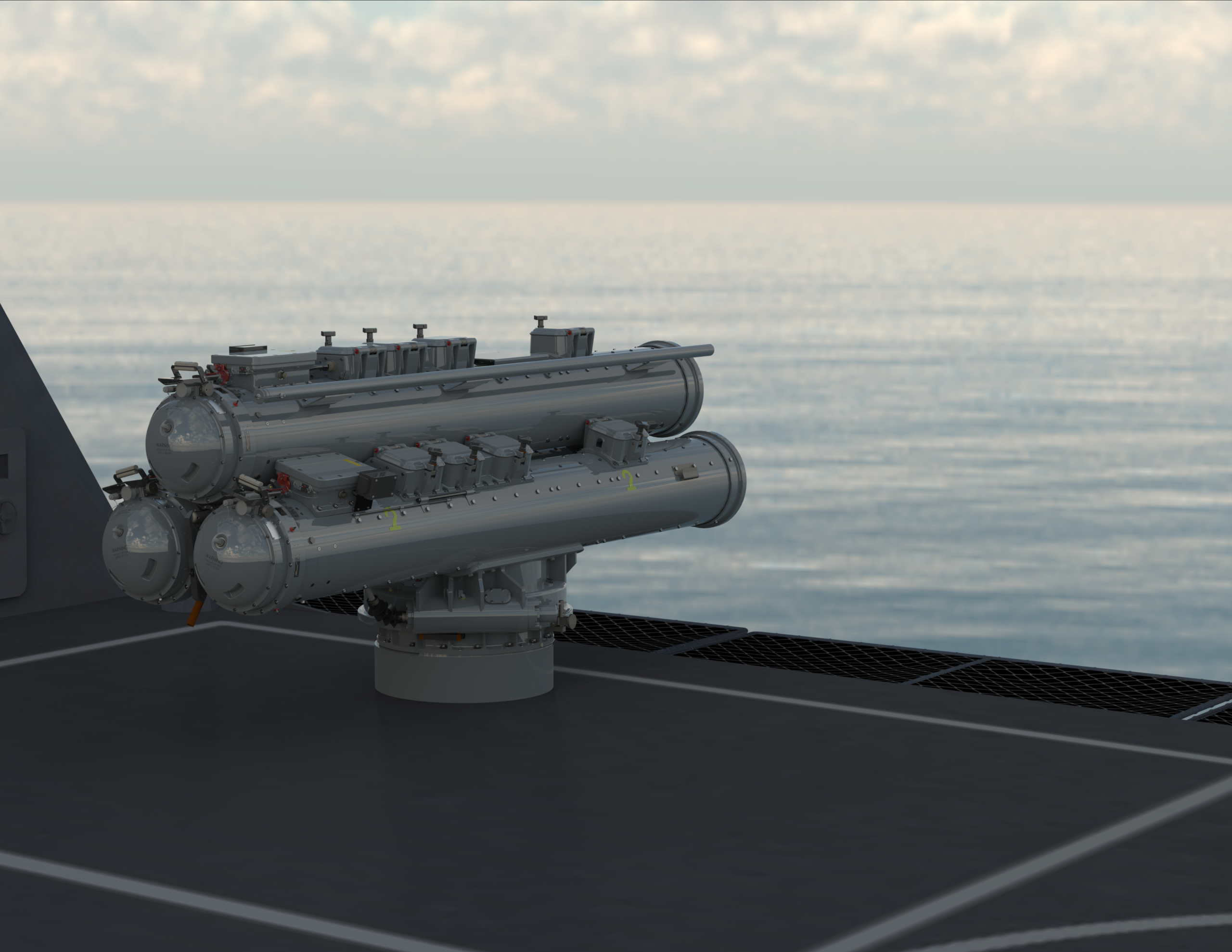
The award recognises international growth across SEA’s fleet protection, torpedo launch, anti-submarine warfare, and naval communications capabilities. Since 2022, the company has secured export contracts for Torpedo Launcher Systems on a multi-ship programme in South America, as well as work with the Philippine Navy and Royal Canadian Navy.
SEA has also been awarded contracts to deliver two KraitSense anti-submarine warfare systems to a South-east Asian navy and to support communications system upgrades on two Royal New Zealand Navy ANZAC frigates. Combined export contracts over the period are valued at more than £50m.
UK work has continued alongside export growth. SEA holds a £135m contract to provide its Ancilia trainable countermeasures system to the Royal Navy.
Maritime systems capacity
SEA’s growth has been accompanied by facility and workforce expansion. The company has opened a manufacturing facility in Ottawa, expanded its Barnstaple manufacturing operations, and plans to open an office in Kuala Lumpur. It now employs around 500 people across Beckington, Bristol, Barnstaple, and its Canadian subsidiary, after adding more than 100 employees in 2025.
Naval systems production is typically low-volume, high-assurance work. Torpedo launch equipment, towed sonar arrays, countermeasure launchers, and naval communications systems all require configuration control, environmental qualification, software integration, and long-term support arrangements.
Additional manufacturing capacity in Barnstaple and Ottawa gives SEA more room to support export and domestic programmes while retaining specialist production knowledge across its South West sites.
Exportable naval capability
SEA’s export portfolio sits across several active naval priorities: undersea detection, ship self-protection, torpedo launch, and communications resilience. KraitSense is designed as a compact towed sonar for crewed, remotely operated, and autonomous platforms. Ancilia provides a trainable countermeasures capability using an open architecture and compatibility with standard 130mm NATO decoys.
Export growth gives maritime defence companies a broader production base and helps reduce dependence on single domestic programmes. For SEA, the award follows a period in which international orders have supported new capacity, skilled hiring, and expanded regional operations.
The next phase of growth will depend on converting specialist UK naval technology into repeatable export production while keeping qualification, integration, and through-life support under control.