IN Brief:
- Lockheed Martin has received a $10.44m US Army contract for PAC-3 guidance processor redesign and Seeker Block V testing.
- The engineering programme includes system-level evaluations, data analysis, technical problem resolution, and flight-test support.
- Work will take place in Grand Prairie, Texas, through November 2027, with the full contract value obligated.
Lockheed Martin has secured a $10.44 million US Army contract for engineering work on the Patriot Advanced Capability-3 interceptor’s guidance processor and associated Seeker Block V flight testing. The award covers system-level evaluation, data analysis, technical problem resolution, and support for tests involving the revised equipment, with completion expected in November 2027.
The $10,439,315 cost-plus-incentive-fee contract was awarded by Army Contracting Command at Redstone Arsenal, Alabama, under reference W31P4Q-27-F-A004. Work will be performed at Lockheed Martin’s Grand Prairie facility in Texas, with the full value obligated from fiscal 2027 Army missile procurement funding. One bid was solicited and one received.
The programme addresses the Guidance Processor Unit Redesign, known as GPUR, in conjunction with Seeker Block V. These activities concern the engineering and testing of components within the PAC-3 interceptor family. The award does not procure additional completed missiles or establish an increase in the Army’s interceptor manufacturing capacity.
A missile guidance processor operates within an integrated arrangement that includes navigation equipment, target sensors, flight-control systems, and supporting electronics. Information received from those subsystems must be processed to support the guidance commands needed during flight. The processor’s ability to handle the relevant data and maintain compatible interfaces is therefore part of the missile’s overall system performance.
The seeker provides information about the target during the engagement, while the guidance and control functions use available information to maintain the required flight path. Their interaction depends on the characteristics of the installed hardware, software, and communications interfaces. Changes to one component can require corresponding verification of the other equipment with which it operates.
Redesigning processing hardware involves more than replacing a computing device. Engineers must establish that the revised electronics perform the required functions while remaining compatible with the approved missile configuration. This can involve examination of data handling, power requirements, environmental performance, software behaviour, and the interfaces connecting the processor to other subsystems.
Compatibility testing is particularly important where the revised equipment is intended to operate with an established seeker configuration. The processor and seeker must exchange information in the required format and within the timing constraints established for the system. Testing can reveal problems that are not apparent when the components are evaluated separately, including interactions involving software, electrical interfaces, or the sequencing of control functions.
The Army’s earlier procurement requirement identified system-level testing, data analysis, problem resolution, and flight-test support as the principal activities. The June 2026 requirement was directed towards Lockheed Martin Missiles and Fire Control because the company holds the technical knowledge and proprietary design information needed for the work. The government identified limitations on its access to the relevant technical data package as part of the procurement justification.
Those data arrangements affect the engineering work because detailed design information is needed to assess the relationships between hardware, software, and the complete missile system. Testing an altered component requires knowledge of its expected behaviour and the conditions under which it must operate. Engineers must also be able to distinguish a fault within the redesigned unit from a problem arising elsewhere in the integrated configuration.
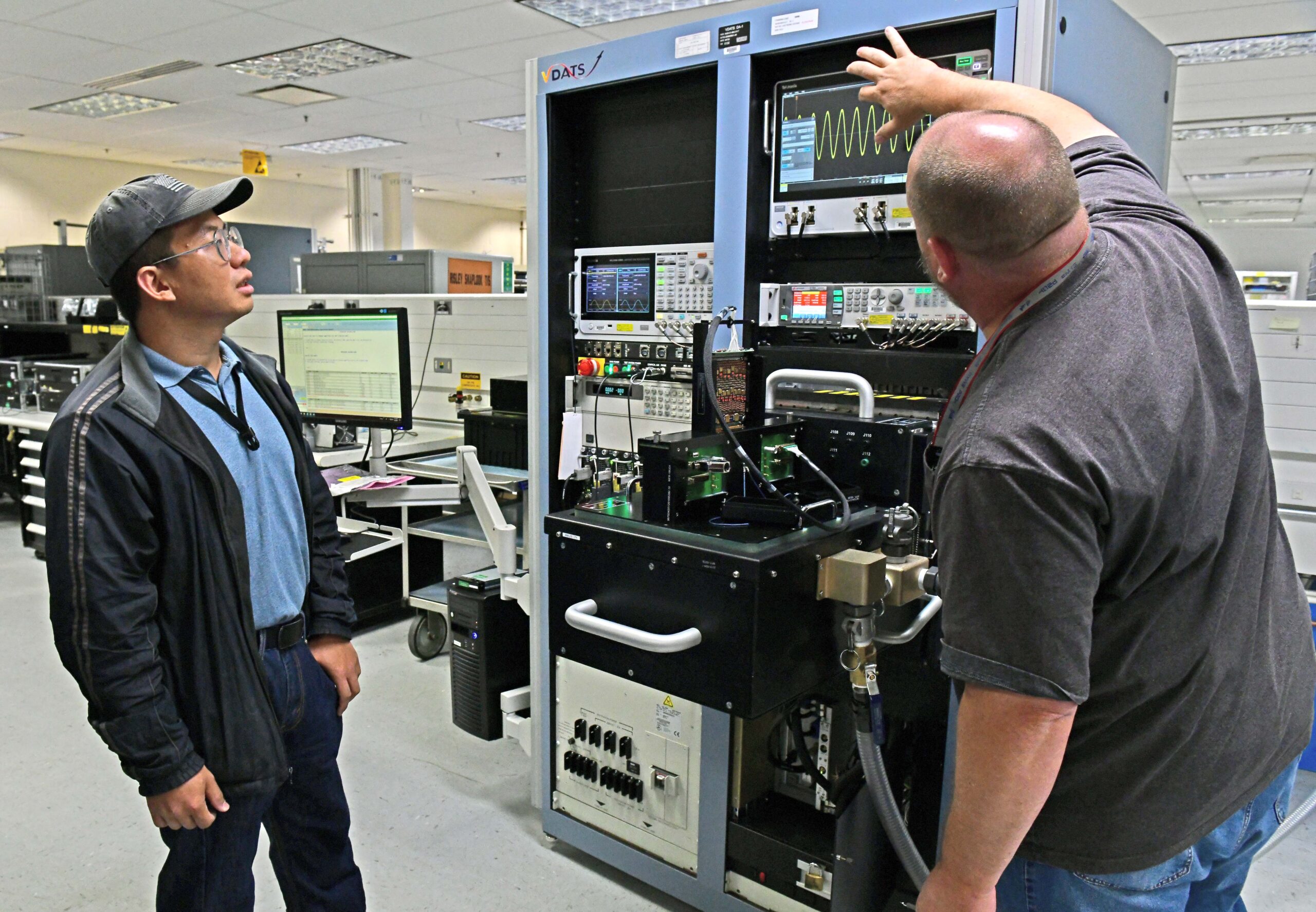
System-level evaluation provides a means of examining these relationships before and after flight testing. Laboratory equipment can reproduce selected electrical signals and operating conditions, allowing engineers to assess the response of the guidance electronics. Results can then be compared with established requirements, with discrepancies investigated through further analysis and controlled changes to the equipment or test configuration.
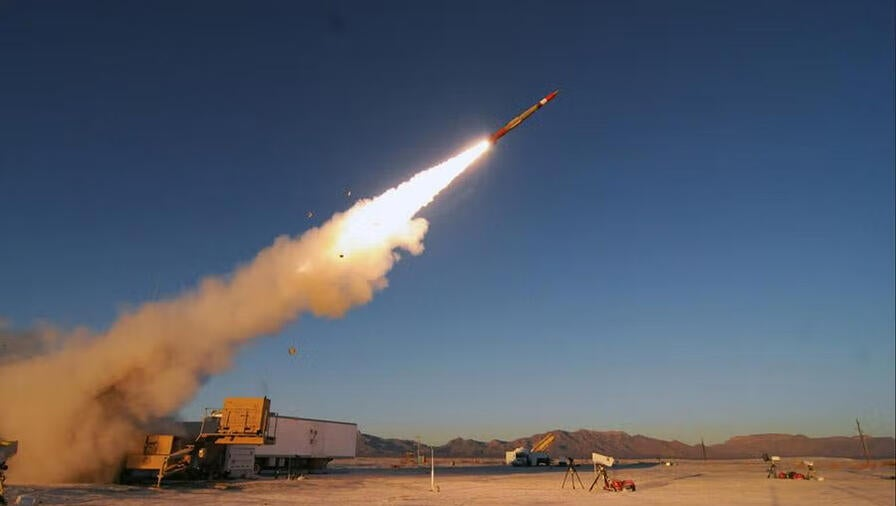
Flight testing adds information about how the integrated system behaves during an actual missile flight. The conditions include changing missile motion, target geometry, and the interaction of sensing, processing, and control functions. Data collected during a test can be used to evaluate the system’s performance against expected behaviour and identify issues requiring further engineering work.
The newly awarded contract does not specify the number of flight tests, their locations, or the performance improvements expected from the redesigned processor. The work therefore establishes a funded engineering and evaluation programme rather than evidence that a revised configuration has already completed qualification or demonstrated superior interception performance.
The PAC-3 interceptor family uses a hit-to-kill approach, in which the missile is designed to collide directly with the incoming target. Achieving an effective interception requires close coordination between target sensing, guidance calculations, and the missile’s manoeuvring capability. The system must continually account for changes in relative position and movement as the engagement develops.
Improved electronics can support the processing demands associated with guidance and sensing, but the effectiveness of the complete interceptor depends on the interaction of its subsystems. Sensor performance, software behaviour, control authority, and the wider engagement architecture all contribute to the outcome. The October contract does not identify a quantified increase in guidance accuracy or an expanded engagement envelope.
The work is distinct from Lockheed Martin’s separate PAC-3 Edge interceptor development, disclosed in October. Edge is a proposed future design incorporating a new seeker, different propulsion technology, and revised flight controls, with development testing planned for 2027. The guidance processor contract specifically concerns the GPUR and Seeker Block V requirement and does not identify Edge as its subject.
Lockheed Martin is also working under separate contractual arrangements to expand PAC-3 Missile Segment Enhancement production. Manufacturing investment and production orders support the delivery of complete interceptors, while the latest engineering contract addresses the evaluation of particular guidance and seeker-related equipment. The programmes may involve related industrial capabilities, but their contractual scopes and milestones remain separate.
Engineering work at Grand Prairie will continue through the stated completion date of 30 November 2027. The contract provides funding for system tests, analysis, and technical support during the flight-test programme, with subsequent qualification or production decisions dependent on the results and applicable programme requirements.